
From the initial site grading in Monterey County to the final fixture installation in Maricopa County, AZ, every step of a construction project must meet exacting standards. A small oversight in the foundation stage can lead to major structural issues later, while poor finishing work can diminish property value and homeowner satisfaction. This is where a comprehensive construction quality control checklist becomes the most critical tool in a contractor’s arsenal.
A checklist transforms complex projects into a series of manageable, verifiable tasks. It serves as a systematic roadmap, ensuring that nothing is left to chance and every detail aligns with the project’s specifications, building codes, and client expectations.
For homeowners embarking on a custom build or major renovation, understanding this process provides peace of mind. It shows how a professional contractor like Aldridge Construction maintains consistency and prevents costly errors. This guide breaks down the essential checkpoints every high-quality build should follow, from pre-construction planning to final handover.
1. Material Inspection and Testing
The structural integrity and long-term durability of any construction project begin with the quality of its components. Material inspection and testing is the foundational step in any robust construction quality control checklist. It involves verifying that every material, from foundation concrete to roofing shingles, meets the specifications outlined in the project plans. This proactive measure prevents costly rework and potential structural failures.
This process isn't just a quick visual check. It involves a detailed review of supplier certifications, lot numbers, and manufacturing dates upon delivery. For critical components like structural steel or high-performance concrete, it requires physical testing to confirm performance characteristics. By rigorously vetting materials before they are incorporated into the build, we ensure every part of the structure is sound and safe.

Why This Step is Crucial
In regions with specific environmental challenges, like the seismic activity in California or the extreme heat in Arizona, material performance is non-negotiable. For instance, California's Title 24 energy codes require specific performance from insulation and windows, which can only be guaranteed through proper verification. This initial checkpoint, guided by standards from bodies like the American Society for Testing and Materials (ASTM), ensures compliance and performance from day one.
Actionable Tips for Implementation
To effectively integrate material inspection into your project, follow these best practices:
- Establish a Testing Schedule: Before breaking ground, create a detailed schedule that specifies which materials require testing (e.g., concrete slump test, rebar tensile strength) and when samples must be taken.
- Use Certified Laboratories: Always partner with accredited, third-party testing laboratories. Their impartial, certified results provide undeniable documentation of material quality and are essential for passing local inspections in places like Monterey or Santa Cruz County.
- Maintain a Receiving Log: Designate a specific area for material deliveries. Log every shipment with details including the supplier, delivery date, product specifications, and batch numbers.
- Plan for Contingencies: Material tests can fail. Proactively identify and vet backup suppliers for critical materials like concrete, lumber, and steel to prevent a failed test from derailing the project schedule.
- Store Materials Properly: Ensure all materials are stored according to manufacturer guidelines. Improper storage, such as leaving lumber exposed to rain in Santa Cruz, can degrade quality even before installation.
2. Dimensional Accuracy and Surveying Verification
A building is a three-dimensional puzzle where every piece must fit with absolute precision. Dimensional accuracy and surveying verification is the critical process of ensuring the physical structure perfectly matches the digital or paper blueprints. This step in the construction quality control checklist involves checking measurements, elevations, and alignments at every stage.
This isn't just about using a tape measure. Modern construction, especially for complex custom homes in Monterey County or commercial projects in Maricopa County, AZ, relies on advanced surveying technology. Continuous verification ensures that what is designed is what gets built, guaranteeing the integrity and safety of the final structure. Projects like the gravity-defying Marina Bay Sands in Singapore were only possible through millimeter-precise surveying.

Why This Step is Crucial
Even a quarter-inch deviation in a foundation can lead to significant issues with framing, drywall installation, and cabinetry fitting. In regions with strict building codes like California, proving dimensional accuracy is essential for passing inspections. For example, verifying correct window opening sizes is crucial for meeting Title 24 energy standards. To ensure precise fitting and prevent costly errors, integrating tools like Clash Detection and Coordination services is vital for verifying dimensional accuracy.
Actionable Tips for Implementation
To integrate rigorous dimensional control into your construction project, follow these best practices:
- Establish Permanent Benchmarks: At the very start of the project, establish and protect permanent benchmarks and control points. These fixed reference points are used throughout the build to ensure all subsequent measurements are consistent.
- Use Multiple Verification Methods: For critical elements like foundation corners, don't rely on a single measurement. Use a combination of traditional tools (levels) and modern technology (laser scanners) to cross-verify dimensions.
- Schedule Regular Equipment Calibration: Surveying equipment must be precise. Implement a strict schedule for calibrating all measuring devices according to manufacturer recommendations and keep certificates on file.
- Train Crew Leaders in Basic Checks: Empower team foremen to perform basic dimensional checks before and after key installations. This catches small errors before they become big problems.
- Implement Digital Documentation: Use digital tools and apps to log all measurements, complete with photos, dates, and the name of the person who performed the check. This creates an unchangeable record for accountability.
3. Workmanship Standards Compliance
Beyond the quality of materials lies the skill with which they are assembled. Workmanship standards compliance is the checkpoint in a construction quality control checklist that evaluates the execution quality against established industry standards and project specifications. It's the measure of craftsmanship, ensuring every joint is tight, every surface is level, and every installation is precise.
This evaluation is not subjective; it is a methodical assessment of finish quality and installation techniques across every trade. From the crisp lines of a drywall finish to the meticulous spacing of tile, this step ensures the final product reflects the design intent. For high-end custom homes in Monterey or detailed tenant improvements in Maricopa County, AZ, superior workmanship is what separates an acceptable project from an exceptional one.
4. Safety Protocol Adherence
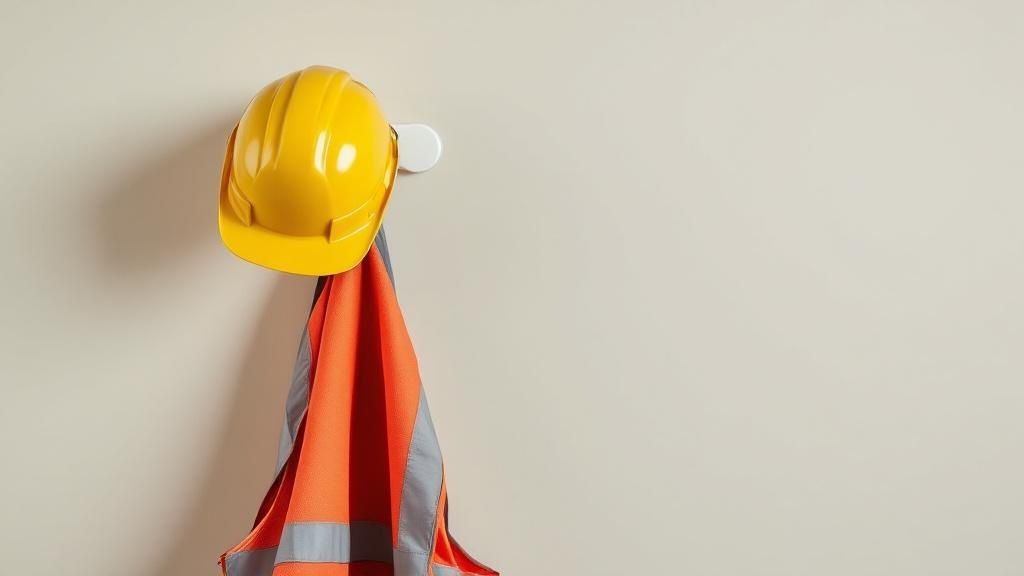
A high-quality build is a safe build. The well-being of every person on-site is a direct indicator of project control and professionalism. Safety protocol adherence is a non-negotiable component of any credible construction quality control checklist. It involves the continuous monitoring and enforcement of safety procedures to prevent accidents and ensure compliance with Occupational Safety and Health Administration (OSHA) regulations.
This proactive commitment to safety minimizes costly delays from work stoppages and fosters a culture of respect. From a custom home build in Salinas to a commercial project in Maricopa County, AZ, a worksite that prioritizes safety is one that is organized and efficient. According to the National Safety Council, the construction industry saw over 1,000 preventable fatal work injuries in 2022, underscoring the vital need for rigorous safety protocols. [NSC, 2024]
Why This Step is Crucial
In construction, hazards are ever-present, from potential falls on a multi-story build in Santa Cruz to heat-related risks during an Arizona summer. A documented and enforced safety plan is the primary defense against these dangers. Neglecting safety doesn't just risk fines; it risks lives. To ensure comprehensive site safety, referring to these crucial health and safety policy examples can provide a robust framework for your project.
Actionable Tips for Implementation
To integrate a culture of safety into your project’s DNA, implement these practices:
- Conduct Daily Toolbox Talks: Start every day with a brief safety meeting to discuss the specific tasks and potential hazards for the day.
- Implement Stop-Work Authority: Empower every person on site, regardless of their role, with the authority to halt any activity they deem unsafe.
- Use Technology for Hazard Detection: Leverage modern tools like wearable sensors that can detect falls or alert workers to proximity to heavy machinery.
- Perform Regular Third-Party Audits: Hire an independent safety consultant to perform periodic, unannounced inspections to identify overlooked hazards.
- Reward Safety Milestones: Positively reinforce safe behavior. Acknowledge and reward teams for achieving significant milestones, such as 30 days without a recordable incident.
5. Environmental and Weather Protection
A construction site is constantly exposed to the elements, and failing to manage this exposure can compromise materials and delay schedules. Environmental and weather protection is a critical component of any construction quality control checklist. It involves proactive strategies to shield the project from rain, sun, wind, and temperature extremes.
This process goes beyond simply throwing a tarp over a lumber pile. It requires a systematic plan, informed by weather forecasts, to ensure site conditions remain optimal. By implementing robust protective measures, a contractor safeguards the investment, ensures material integrity, and maintains a productive worksite.
Why This Step is Crucial
In climates like Monterey County, with its damp, salty air, or Maricopa County, with its intense UV exposure, weather is a constant factor. Unprotected lumber can warp, concrete can cure improperly in extreme heat, and moisture intrusion can lead to mold issues. Adhering to guidelines from the Environmental Protection Agency (EPA) not only prevents this damage but also promotes a more sustainable building process.
Actionable Tips for Implementation
To properly integrate environmental and weather protection into your project, follow these best practices:
- Monitor Forecasts and Plan Ahead: Actively track local weather reports. Schedule sensitive tasks like concrete pours or exterior painting during forecasted windows of favorable weather.
- Use Moisture Meters: Regularly use a moisture meter on lumber, drywall, and subflooring to verify they are within the manufacturer's required moisture content before being enclosed.
- Implement Proper Site Drainage: Before construction begins, establish a clear site drainage plan to prevent water from pooling around the foundation or material storage areas. This is especially critical during the rainy seasons in Northern California.
- Protect Materials and Enclosed Spaces: Store materials on dunnage, off the ground, and under waterproof coverings. Utilizing eco-friendly building materials that are more resilient to environmental factors can also be a strategic advantage.
- Maintain an Emergency Plan: For regions prone to severe weather like wildfires in California, develop and communicate a clear emergency response plan for securing the site, materials, and equipment.
6. Installation Sequence and Dependencies Management
A construction project is a complex symphony where the order of operations is critical. Installation sequence and dependencies management is the discipline of ensuring that activities follow a logical, efficient order. This component of a construction quality control checklist verifies that each trade completes its work to the required standard before the next phase begins.
This process involves proactively managing the handoffs between different teams. For example, ensuring drywall is properly installed and finished before painters arrive, or that all in-wall plumbing and electrical work passes inspection before insulation is installed. For a homeowner in Salinas planning a renovation or a developer building an ADU in Santa Cruz, mastering this sequence is key to keeping the project on time and on budget.
Why This Step is Crucial
Poor sequencing can have a domino effect. If flooring is installed before the HVAC system is fully commissioned in a Maricopa County, AZ home, dust and debris can damage the new floors. Similarly, in complex custom homes in Monterey, failing to coordinate the structural steel installation with other trades can lead to significant modifications and delays. Proper sequencing ensures each component is installed in a prepared environment.
Actionable Tips for Implementation
To integrate rigorous sequence management into your project, consider these strategies:
- Implement Pull Planning: This collaborative approach involves trade foremen planning the schedule backward from a key milestone, ensuring each team "pulls" work only when they are ready.
- Conduct Regular Coordination Meetings: Hold daily or weekly huddles with all on-site trade leaders to discuss upcoming handoffs and identify potential roadblocks.
- Establish Clear Handoff Criteria: Define what "done" looks like for each task. Create simple, written checklists or sign-off sheets that a trade must complete before the next trade can begin.
- Use Visual Management Tools: Post the weekly work plan in a central, visible location on-site. This helps everyone understand their role, the dependencies, and the overall progress.
- Leverage Digital Platforms: Use project management software to create and share the master schedule, track dependencies, and document communications.
7. Documentation and Record Keeping
In construction, the saying "if it wasn't documented, it didn't happen" holds immense weight. Meticulous documentation and record-keeping form the official memory of a project. This step in any construction quality control checklist involves the systematic capture of all inspections, test results, and change orders. Whether building in Santa Cruz or Maricopa County, AZ, this paper trail is the project's single source of truth.
This process is an active strategy for capturing data in real-time. From daily reports and photos to signed approvals and material certifications, comprehensive documentation provides the evidence needed to verify compliance, manage warranties, and resolve disputes. It transforms project progress into a concrete, verifiable record.
Why This Step is Crucial
For projects like building an Accessory Dwelling Unit (ADU) under California's strict regulations, documentation is non-negotiable. It provides the proof needed for regulatory sign-offs and final inspections. A well-organized record system is also invaluable for post-completion activities, such as facility maintenance, future renovations, and handling potential warranty claims.
Actionable Tips for Implementation
To build a rock-solid documentation process, integrate these best practices:
- Implement Digital Tools: Use construction management software like Procore or Autodesk Build. These mobile-friendly apps allow for real-time photo logging and centralized document storage.
- Establish Standardized Templates: Create uniform templates for daily logs, inspection requests, and safety reports. Consistency makes information easier to find and review.
- Use Digital Tagging Systems: Leverage QR codes on-site for key components. Team members can scan a code to instantly pull up relevant plans, specs, or inspection reports.
- Schedule Regular Backups: Implement a robust data security protocol with automated, regular backups of all project files to a secure cloud server.
- Train the Entire Team: Ensure every person on site understands the documentation procedures and recognizes the importance of their role in maintaining the project record. For more insights on organizing your project records, you can learn more about developing a home remodel checklist.
8. Code Compliance and Regulatory Approval
Navigating local, state, and federal regulations is a non-negotiable part of any construction project. Code compliance and regulatory approval is the process of ensuring every phase of work adheres strictly to all applicable building codes and permit conditions. This critical component of a construction quality control checklist transforms legal requirements into a roadmap for safety and quality.
This process requires ongoing dialogue with building officials, proactive scheduling of mandatory inspections, and meticulous documentation. For a homeowner building in Santa Cruz or a business owner in Maricopa County, AZ, this step ensures the final structure is not only well-built but also legally sound and safe for occupancy.
Why This Step is Crucial
Building codes are not arbitrary rules; they are minimum standards for safety. In California, this means complying with stringent seismic design requirements and Title 24 energy efficiency standards. Failing to meet these codes can result in costly stop-work orders, mandated tear-outs, and a final product that is unsafe and difficult to insure or sell.
Actionable Tips for Implementation
To seamlessly integrate code compliance into your project, adopt these proactive strategies:
- Establish Early Communication: Before submitting plans, initiate contact with the local building department in Monterey or San Benito County. Understanding their specific interpretations can prevent significant delays.
- Create an Inspection Master Schedule: Map out all required inspections (e.g., foundation, framing, MEP rough-in, final) and align them with your construction timeline.
- Maintain an On-Site Code Reference: Keep a physical or digital copy of the approved plans and relevant codebooks on-site at all times.
- Document Everything: Log every communication, decision, and inspection result with code officials. This documentation is invaluable for demonstrating compliance. You can learn more about construction permit requirements on aldridgeconstruction.biz.
- Use Certified Professionals: Employ licensed architects, engineers, and certified inspectors to review plans and work. Their expertise ensures designs are code-compliant from the start.
Frequently Asked Questions (FAQs)
1. What is the most important part of a construction quality control checklist?
While every step is crucial, Material Inspection and Testing is arguably the most fundamental. Using substandard materials can compromise the entire structure, leading to safety issues and costly repairs that no amount of good workmanship can fix.
2. How does a quality checklist differ for a remodel versus a new build?
A remodel checklist has a greater emphasis on protecting existing structures, matching new materials (e.g., flooring, paint) to old ones, and managing dust and debris. A new build checklist focuses more on foundational elements like site grading, utility connections, and structural integrity from the ground up.
3. As a homeowner in Monterey County, what specific checklist item should I pay attention to?
Given the coastal climate, Environmental and Weather Protection is critical. Ensure your contractor has a clear plan to protect lumber from moisture, prevent rust on metal components, and use materials like stainless steel fasteners and weather-resistant sealants.
4. Can I use a generic construction quality control checklist I find online?
A generic checklist is a good starting point, but a professional contractor like Aldridge Construction will tailor it to your specific project, location (e.g., Maricopa County, AZ vs. Santa Cruz, CA), and local building codes. A customized checklist is always superior.
5. How does a good quality control process save me money?
A robust quality control process saves money by preventing mistakes before they happen. Catching a dimensional error before concrete is poured or identifying a faulty material before it's installed avoids the high cost of rework, schedule delays, and potential warranty claims down the road.
Elevate Your Project with a Professional Partner
Navigating the complexities of a construction project, whether it's a custom home build in Monterey County or a kitchen remodel in Maricopa County, can feel overwhelming. A systematic approach to quality control is the single most powerful tool for ensuring a successful outcome. This isn't just about ticking boxes; it's about building a framework of accountability and precision that protects your investment.
By moving through each construction phase with a dedicated checklist, you transform abstract goals into tangible, verifiable actions. A detailed construction quality control checklist is your roadmap to a durable, safe, and beautiful finished product that stands the test of time.
Ultimately, mastering these concepts empowers you as a client. It provides the language to ask the right questions and hold your build team accountable. This proactive involvement is the true foundation of a project that not only meets but exceeds your expectations.
A detailed checklist is your best tool, but an expert partner is your greatest asset. At Aldridge Construction, our commitment to quality is embedded in every project we undertake in Monterey, Santa Cruz, San Benito, and Maricopa Counties. We use rigorous, phase-by-phase checklists to ensure flawless execution.
If you demand the highest standards of craftsmanship, contact Aldridge Construction today to see how our proven quality control process can bring your vision to life.