
Thinking about adding on to your home? The first question on most people's minds is about the cost. Generally, the cost of a home addition falls between $22,000 and $88,000, with an average of around $51,000.
Of course, that's a wide range. The final price depends on the project size, the type of room, and local labor rates. A good starting point is to budget between $80 and $200 per square foot.
What Is the Average Cost of a Home Addition?
Planning a home addition is a big step. Before you start picking out paint colors, it's important to understand the investment. The cost isn't one single number. It depends on your vision, location, and the details of the build.
For homeowners in places like Monterey County, CA, or Maricopa County, AZ, getting a clear financial picture is the first step. It is smart to look into average house extension costs to set a realistic budget. This research helps you match your dreams with what is practical.
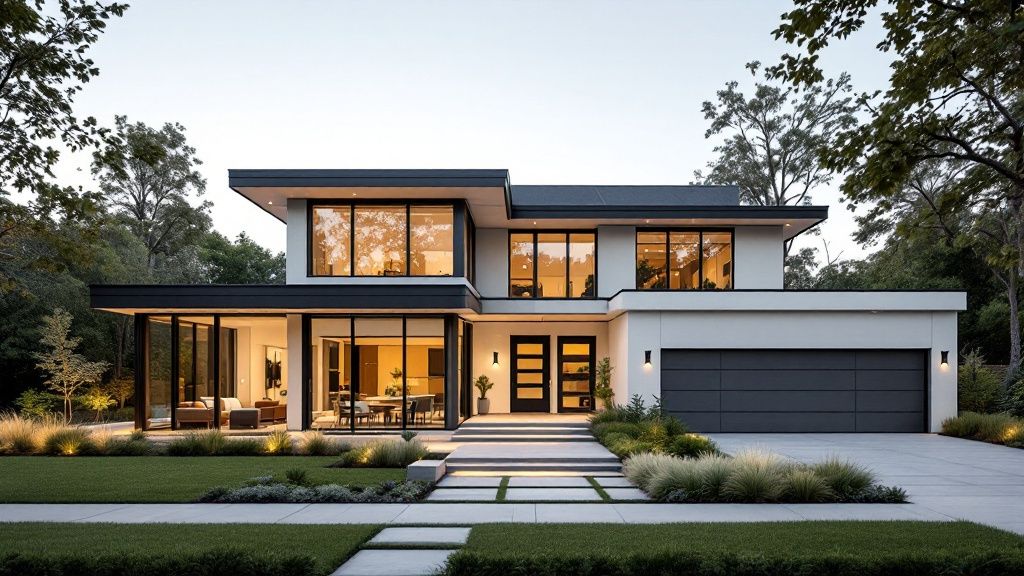
Breaking Down Costs By Room Type
Not all square footage is created equal. The purpose of your new room greatly impacts the final cost. A simple bedroom or living room involves framing, drywall, and basic electrical work.
A kitchen or bathroom is a different story. These rooms require complex plumbing, special fixtures, and detailed tile work. All of these things drive the cost per square foot much higher. To give you a clearer idea, here's how costs can vary by room type.
Estimated Home Addition Costs By Room Type
| Room Type | Average Cost Per Square Foot | Typical Total Project Cost |
|---|---|---|
| Bedroom | $80 – $200 | $8,000 – $40,000 |
| Bathroom | $200 – $500 | $20,000 – $90,000 |
| Kitchen | $150 – $400 | $25,000 – $125,000+ |
| Living Room | $100 – $300 | $20,000 – $90,000 |
| Sunroom | $120 – $350 | $10,000 – $70,000 |
As you can see, a bedroom is often a more budget-friendly project. The total national average cost for a home addition can swing from $21,936 to $88,339, so knowing which room you want is key to setting an accurate budget.
Key Cost Considerations
Beyond the room type, several other items will shape your total project cost. Knowing these can help you make smarter choices and keep your budget in check.
- Foundation: Every new addition needs a solid foundation. This is a major structural expense.
- Plumbing and Electrical: Adding a bathroom or kitchen requires licensed plumbers and electricians. Their specialized labor is a big part of the budget.
- HVAC Systems: Your home's heating and air conditioning system will need to be extended into the new space. Sometimes, this means upgrading your entire unit.
- Exterior Finishes: You want the addition to match your house. Matching siding, roofing, and windows is essential for a seamless look but can impact the budget.
For a personalized estimate, we’ve created tools to help you plan. You can get a much clearer financial picture by using our detailed room addition cost calculator.
Key Factors That Drive Up Home Addition Costs
Two home additions can be the same size, but one can cost thousands more. Why? While square footage sets a baseline, the details write the final budget. The complexity of the design and the quality of your choices matter most.
Understanding these cost drivers is the first step toward building a realistic budget. This is true whether you're in Monterey, Santa Cruz, or Maricopa counties.

Size and Complexity of the Design
The most obvious factor is size. A bigger addition needs more materials and labor, pushing the cost up. But complexity is just as important. A simple, rectangular room is more affordable than a multi-level addition with unique angles.
The type of room also makes a huge difference. A new bedroom is simple. But adding a kitchen or bathroom brings in bigger costs.
- Plumbing: Connecting to existing water and sewer lines needs specialists and can add thousands to the budget.
- Electrical: Kitchens and bathrooms need a lot of power. This means new circuits, outlets, and dedicated lines for major appliances.
- HVAC: Your home's current system might not handle the extra space. Extending it or upgrading the whole system is a major consideration, especially on the temperate Central Coast of California or in the Arizona heat.
Quality of Materials and Finishes
This is where your budget can either stay on track or grow quickly. For every part of a home addition, there is a wide range of quality and cost. Making smart choices means balancing your vision, durability, and your budget.
A well-planned addition should look like it was always part of your home. The right material choices are key to a seamless look that protects your home's curb appeal. For example, you could use standard vinyl siding or upgrade to a high-end stone veneer that matches architectural styles in the Monterey Bay area.
The same logic applies indoors.
- Countertops: Laminate is a budget-friendly choice. Materials like Quartz countertops offer more durability and a high-end feel.
- Flooring: Luxury vinyl plank (LVP) is a great, cost-effective solution. Solid hardwood is a timeless but more expensive investment.
- Windows and Doors: Using standard sizes from trusted brands like energy-efficient Milgard windows can keep costs down. Custom windows will increase the price.
At Aldridge Construction, we help homeowners find the sweet spot between cost, performance, and style. We can help you explore various home additions that fit your vision and budget, adding real value to your property.
Building Out vs. Building Up: Which Is More Cost-Effective?
When you need more space, you can expand horizontally or go vertical. Deciding to build out or build up is one of the biggest choices you will make. Each path has its own pros, cons, and different price tags.
Understanding the differences is key for homeowners in Monterey, Santa Cruz, and Maricopa counties. This decision is about more than just adding square footage. It involves structural complexity, land use, and long-term value.
The Case for Building Out
Building out—adding a single-story expansion—is often the simpler route. It usually involves less complex structural work on your existing house, so the cost per square foot can be lower. You are building a new, smaller structure and connecting it to your current one.
This approach is perfect if you have plenty of yard space. It also avoids the disruption of tearing off your roof. But it has its own costs. Building out requires new foundation work, including excavation and pouring concrete, which is a big expense.
The Financials of Building Up
Building up, or adding a second story, is the solution for smaller lots. While it saves your land, it usually comes with a higher price tag per square foot. This is due to the complex engineering involved.
The process means removing the roof and reinforcing the first-floor structure to support the new weight. This requires serious architectural oversight to ensure the home's foundation and frame can handle the extra load. As a result, labor costs are higher, and the project is more disruptive.
Recent data shows this cost difference clearly. A simple "bump-out" addition typically costs between $80 and $200 per square foot. In contrast, building a second story costs from $300 to $500 per square foot. You can learn more from various industry cost guides.
As you can see, materials and labor make up a huge 90% of the total project cost. This is why labor-heavy projects like second-story additions are so much more expensive.
Comparing Building Out vs. Building Up Costs
| Factor | Building Out (Horizontal Addition) | Building Up (Vertical Addition) |
|---|---|---|
| Cost Per Sq. Ft. | $80 – $200 (Lower) | $300 – $500 (Higher) |
| Foundation Work | Required: New foundation and excavation are significant costs. | Not Required: Uses existing foundation, but it must be reinforced. |
| Structural Work | Less Complex: Focuses on tying the new structure to the home. | Highly Complex: Requires roof removal and reinforcing the entire structure. |
| Disruption | Moderate: Family can often remain in the home. | High: Often requires the family to move out for a period. |
| Land Use | Reduces Yard Space: Sacrifices outdoor area for indoor space. | Preserves Yard Space: Ideal for smaller lots. |
| Zoning Issues | Subject to setback requirements for property lines. | Subject to height restrictions and neighborhood rules. |
Making the Right Choice for Your Property
So, which is more cost-effective? On a per-square-foot basis, building out is almost always less expensive. However, the best choice depends on your specific situation.
Think about these key factors:
- Lot Size: If you have a big lot, building out is a practical option. If your yard is small, building up might be your only choice.
- Local Zoning: Setback requirements in places like San Benito County can limit how close you can build to your property line.
- Foundation Integrity: An older home might not have a foundation strong enough to support a second story without expensive upgrades.
- Long-Term Goals: Consider how the addition will impact your property's overall value and curb appeal.
Breaking Down Your Budget: Labor, Materials, and Hidden Costs
To manage a home addition budget, you need to know where the money is going. Breaking it down makes the total cost of a home addition easier to understand. This puts you in control to make smart decisions.
For homeowners in places like Monterey, Santa Cruz, and Maricopa counties, understanding these costs is key to setting realistic expectations. A well-planned budget is your best defense against surprises.
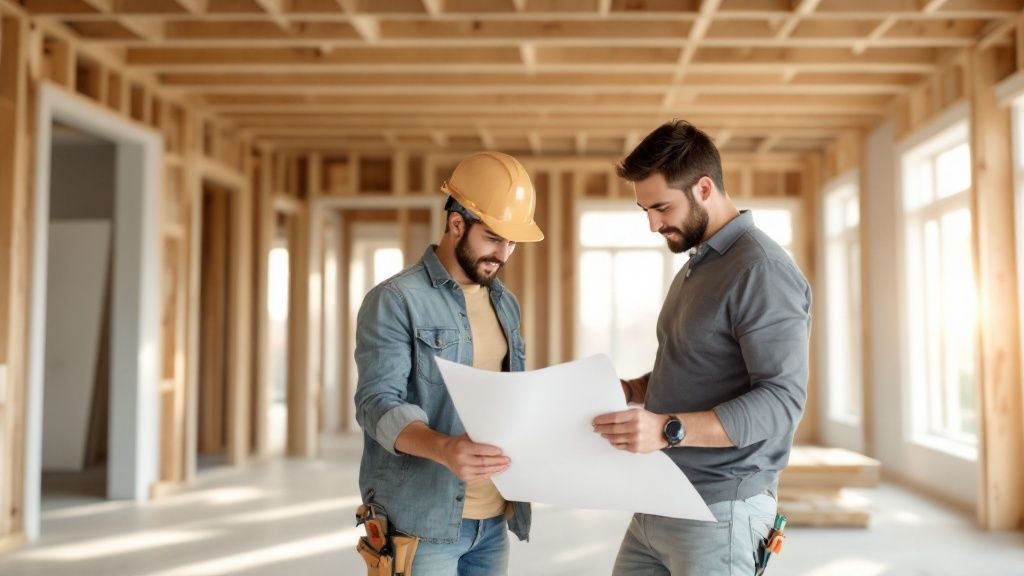
Labor and Materials: The Two Biggest Slices
Most of your budget—typically 80-90% of the total cost—is split between labor and materials. These two are always the biggest expenses.
Labor Costs (Roughly 40-50%): This is what you pay the skilled workers who build your addition. This includes:
- General Contractor
- Framers
- Electricians & Plumbers
- Roofers & Siding Installers
Material Costs (Roughly 40-50%): This covers every item that goes into the build. Think lumber for framing, energy-efficient Milgard windows, drywall, insulation, and shingles. These costs have been on the rise due to inflation and supply chain issues.
Professional Fees and Permits
Before construction starts, a smaller but important part of your budget goes to planning and paperwork. These costs ensure your addition is safe, well-designed, and legal.
- Architects/Designers (5-15%): These professionals turn your ideas into detailed blueprints.
- Structural Engineers (Varies): An engineer is often required, especially for second-story additions or in seismic zones like California.
- Permit Fees (1-3%): This is the cost paid to your local city or county to approve and inspect the construction work.
Uncovering the Hidden Costs
Planning for "hidden" costs helps keep a project smooth. These are expenses that are not in the construction contract but are related to the project. For a better idea of your specific costs, Aldridge Construction offers a handy room addition cost calculator to give you a starting point.
Common Overlooked Expenses:
- Landscaping Repairs: Construction equipment can damage a yard. Budget for fixing your lawn or sprinklers.
- Temporary Housing: If your kitchen is a construction zone for weeks, you might need a short-term rental.
- Increased Property Taxes: Adding square footage raises your home's assessed value, which means your annual property tax bill will go up.
- Utility Upgrades: Your current electrical panel or HVAC system might not be powerful enough for the new space.
- Compliance with Local Codes: In California, new additions must meet Title 24 energy efficiency standards. This can mean using specific types of insulation or windows.
How to Save Money on Your Home Addition
A home addition is a big investment, but it doesn’t have to drain your savings. With smart planning, you can cut costs without sacrificing quality. A good plan is your best tool for keeping the budget in check.
For homeowners in Monterey, Santa Cruz, and Maricopa counties, a few key strategies can impact the final price. It all comes down to the details. Every decision adds up.
Plan Every Detail in Advance
One of the best ways to save money is to finalize every design choice before construction starts. Finalize all materials, fixtures, and finishes—from the faucet model to the paint color.
Making changes mid-project, called change orders, can be very expensive. They disrupt the schedule and often mean reordering materials, leading to more labor costs. A detailed, locked-in plan avoids these headaches.
Be Strategic with Timing and Materials
You can find savings by being clever about when you build and what you use. A little flexibility can trim thousands from your expenses.
- Schedule During the Off-Season: Contractors are busiest in spring and summer. Scheduling your project for the slower fall or winter may lead to more availability and better pricing.
- Choose Standard Sizes: Custom-sized windows and doors cost more. Using standard, in-stock sizes from brands like Milgard can save money without losing style.
- Handle Some Work Yourself (DIY): If you have the skills, doing simple tasks can cut labor costs. Think about painting, installing trim, or doing the final cleanup. Just clear it with your contractor first.
Invest in Long-Term Savings
Sometimes spending more upfront saves you money later. This is especially true for energy efficiency. This is a big factor in climates like Monterey Bay and Maricopa County.
Investing in high-performance windows, quality insulation, and an efficient HVAC system will cost more at first. But it will pay you back for years through lower utility bills. It's a smart investment, not just an expense. For more on that, Aldridge Construction has some great guidance on financing options for home renovations.
Navigating Permits in California and Arizona
Permits are a non-negotiable part of any home addition. They may seem like red tape, but they are there to protect you. They ensure your new space is safe, built to last, and won't cause problems when you sell your home.
At Aldridge Construction, we manage this process for you. Whether you're in Santa Cruz County, CA, or Maricopa County, AZ, we handle all the paperwork and inspections. This frees you up to focus on the fun parts of the project.
The Permitting Process Overview
First, your architect drafts a detailed set of plans. We submit these plans to your local building department. The review can take a few weeks to several months.
Officials check every detail for compliance with zoning laws and building codes. After they approve the plans, the permit is issued, and we can begin construction. Throughout the build, inspectors will stop by to sign off on the work. For a deeper dive, look at our guide to construction permit requirements.
Local Regulations Impacting Cost
Building codes are not the same everywhere. They are tailored to the challenges of the region. These local rules can impact the design, materials, and cost of a home addition.
- California Seismic Codes: In places like Monterey and San Benito Counties, additions must meet strict seismic codes. This often requires stronger foundations and reinforced walls to withstand an earthquake.
- Arizona Heat Requirements: In Maricopa County, building codes focus on energy efficiency to combat extreme heat. This can mean using higher-grade insulation and special windows to keep the home cool.
A seasoned local contractor knows these codes inside and out. This knowledge prevents costly redesigns and ensures your addition is built right from day one. The process isn't over until the new addition passes all final inspections. It helps to understand how to get an occupancy permit so you know what to expect. Aldridge Construction manages all these final approvals for you.
Frequently Asked Questions (FAQs)
How long does a home addition take to build?
A typical home addition takes between 3 to 6 months to complete, from breaking ground to the final walkthrough. Factors like permit delays or weather can extend this timeline. Aldridge Construction provides a detailed schedule so you know what to expect.
Will a home addition increase my property taxes?
Yes, it most likely will. Adding square footage increases your home's assessed value, which leads to a higher annual tax bill. Contact your local assessor's office in San Benito or Maricopa County for an estimate of the potential increase.
What is the return on investment for a home addition?
The return on investment (ROI) varies by project type and local market. According to Remodeling Magazine’s 2024 Cost vs. Value Report, a midrange bathroom addition can recoup 66.7% of its cost. However, the most immediate return is the daily enjoyment of a home that fits your needs.
Can I live in my house during the construction?
It depends on the project's scope. For a small addition, it's often possible to live at home. For a large-scale project affecting your kitchen or main living area, the disruption can be significant. In these cases, temporary housing might be the best option for your family.
How can I finance a home addition project?
Many homeowners use a home equity loan (HELOAN), a home equity line of credit (HELOC), a cash-out refinance, or a construction loan. Each option has different requirements. It's best to speak with a financial advisor to determine the right fit for the cost of your home addition.
Ready to turn your vision for a bigger, more functional home into a reality? The team at Aldridge Construction has the experience and local expertise to guide you through every step of the process.
Contact us today for a professional consultation and estimate for your home addition project.