
Many homeowners ask, "Isn’t restoration something you deal with after the damage is done?" While that used to be the common approach, recent trends in California construction show a rise in proactive disaster-proofing. This means adding materials and systems that reduce risk before a wildfire, earthquake, or flood ever happens.
With smart planning, your next remodel can make your home more insurable, resilient, and safe. This guide outlines 5 ways to disaster-proof your California home, shifting the focus from reaction to prevention. We will explore specific, actionable strategies designed for the unique challenges faced by residents in Monterey, Santa Cruz, and San Benito Counties.
Instead of just rebuilding after a catastrophe, these methods help fortify your property against known threats. From creating defensible space in wildfire corridors to seismic retrofitting for earthquake readiness, each step is an investment in long-term security.
This article provides the blueprint for building a safer, stronger home. You will learn how to identify your property's weak points and which upgrades deliver the most significant impact, ensuring you are prepared long before disaster strikes.
1. Wildfire-Resistant Exterior Construction and Defensible Space
In California, disaster-proofing your home often starts with protecting it from wildfire. Creating a fire-resistant home involves two key actions. First, you harden the structure itself with non-combustible materials. Second, you create a "defensible space" around it.
This approach is one of the most effective ways to disaster-proof your California home. It reduces the chances of ignition from flying embers, which cause most home losses during a wildfire. This strategy is critical for homeowners in high-risk areas like Monterey, Santa Cruz, and San Benito Counties.
Hardening Your Home's Exterior
The goal of home hardening is to make your house a poor target for embers and flames. Instead of providing fuel, a hardened home repels fire. Key upgrades focus on the most vulnerable parts of a structure.
- Roofing: Your roof is the first line of defense. Replace old wood shake shingles with Class A fire-rated materials like metal, slate, or asphalt composition shingles.
- Siding: Flammable wood siding can be replaced with fiber cement, stucco, or treated wood, which resist ignition far longer.
- Windows: Intense heat can shatter standard windows. Upgrading to dual-paned tempered glass provides significant protection.
- Vents: Embers can easily enter a home through attic and crawl space vents. Installing fine wire mesh (1/8-inch) over all vent openings is a simple but crucial step.
Creating Defensible Space
Defensible space is a buffer zone you create between your home and the surrounding landscape. CAL FIRE requires homeowners in fire-hazard zones to maintain 100 feet of defensible space. This buffer is broken down into two zones.
- Zone 1 (0-30 feet): This is the "lean, clean, and green" zone. Remove all dead plants, leaves, and pine needles. Use non-flammable hardscaping like gravel or stone pathways directly against the house instead of mulch.
- Zone 2 (30-100 feet): In this area, focus on reducing fuel. Cut or mow annual grass down to a maximum height of four inches. Create space between shrubs and trees to slow the spread of fire.
When to Call a Professional
While you can manage vegetation clearing yourself, structural upgrades require a licensed contractor. A professional like Aldridge Construction can ensure that fire-resistant materials are installed correctly according to California building codes. We can help you navigate permit requirements and ensure every detail is done right for maximum protection.
2. Earthquake-Resilient Foundation and Structural Reinforcement
California is home to major fault lines like the San Andreas. Strengthening your home against seismic activity is one of the most critical ways to disaster-proof your property. An earthquake-resilient structure is designed to absorb the energy from ground shaking, preventing collapse.
This strategy is especially vital for homes built before modern seismic codes were adopted in the 1980s. Retrofitting homes in areas like Monterey and Santa Cruz County can be the difference between a damaged home and a total loss.
Anchoring and Bracing Your Home
The primary goal of a seismic retrofit is to securely connect the parts of your home, from the roof down to the foundation. This prevents sections from sliding or collapsing during an earthquake.
- Foundation Bolting: This process involves drilling through the sill plate (the wooden board on top of the foundation) and securing it with anchor bolts. This prevents the house from sliding off its foundation.
- Cripple Wall Bracing: Many older homes have short "cripple walls" between the foundation and the first floor. Bracing them with plywood shear panels dramatically increases their stability.
- Soft-Story Reinforcement: A "soft story" is a level with large openings, like a garage with wide doors. These areas require a steel frame or other engineered solutions to prevent collapse.
- Secure Utilities: Ensure your water heater is properly strapped and that gas lines have flexible connections to prevent fires or water damage.
Key Considerations for a Seismic Retrofit
A successful retrofit requires careful planning and professional work. For specific insights into strengthening your home's base, consider consulting a comprehensive guide to foundation crack repair. Also, keep these points in mind:
- Get a Professional Assessment: An evaluation from a structural engineer or a licensed contractor will identify your home's weak points.
- Check for Incentive Programs: California homeowners may qualify for grants through programs like the Earthquake Brace + Bolt (EBB) program to help offset the cost.
- Prioritize the Work: Foundation bolting and cripple wall bracing offer the highest return on investment for improving safety.
- Document Everything: Keep detailed records of all work performed. This is valuable for insurance purposes and for future home resale.
When to Call a Professional
Seismic retrofitting is not a DIY project. The work involves structural engineering and must comply with strict California building codes to be effective. A licensed general contractor like Aldridge Construction is essential for this process.
We have the expertise to assess your home's unique needs, design a reinforcement plan, and execute the installation correctly. Our team ensures your home is prepared to withstand the next big one.
3. Water Damage Prevention and Flood-Resistant Design
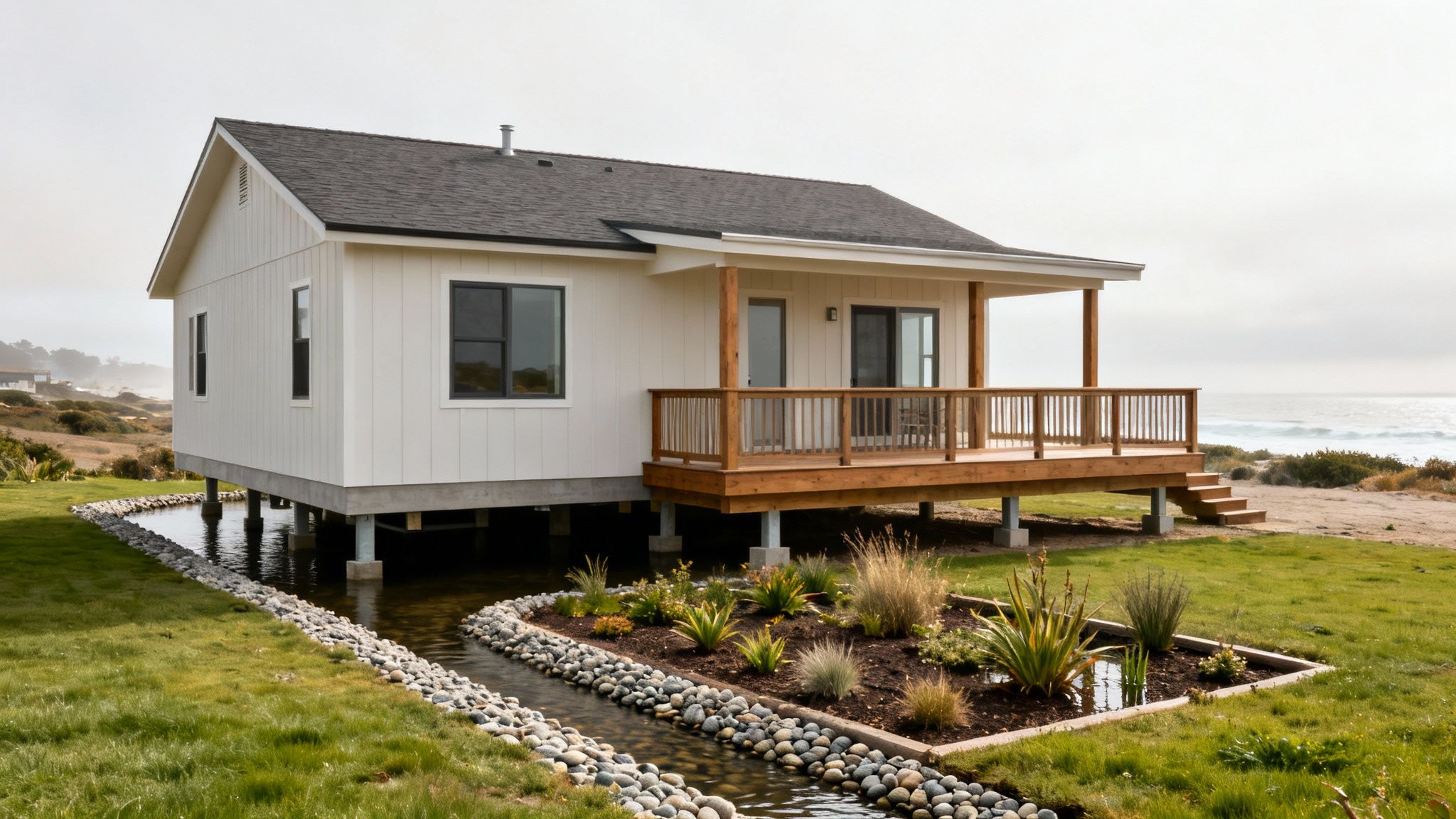
Beyond fire and earthquakes, water damage from floods and atmospheric rivers poses a significant threat. Implementing flood-resistant design is one of the most crucial ways to disaster-proof your California home. This safeguards its structure and prevents costly damage from moisture and mold.
This strategy is especially critical for coastal properties in Monterey County and homes in low-lying areas across Santa Cruz and San Benito Counties. Smart planning can transform your home into a resilient structure prepared for California's intense rainy seasons.
Elevating and Waterproofing Your Home
The core principle of flood resistance is to keep water out and away from your home's foundation and essential systems. This involves both strategic construction choices and targeted waterproofing measures.
- Elevated Foundation: For new construction in flood zones, elevating the home on piers or an elevated foundation is the most effective solution.
- Waterproofing: Apply waterproof sealants to foundation walls and basements. This prevents groundwater from seeping through porous concrete.
- Elevated Utilities: Relocate critical systems like your HVAC unit, water heater, and electrical panels to an upper floor or attic to protect them from floodwater.
- Flood Vents: In a flood zone, FEMA-compliant flood vents allow water to flow through a crawlspace rather than building up pressure that could collapse walls.
Implementing an Effective Drainage System
Managing the water around your property is just as important as fortifying the structure itself. A well-designed drainage system diverts rainwater away from your foundation.
- Grading and Landscaping: The ground around your foundation should slope away from the house, dropping at least six inches over the first 10 feet.
- Gutters and Downspouts: Keep gutters clean and ensure downspouts extend at least four to six feet from the foundation.
- French Drains and Sump Pumps: A French drain is a gravel-filled trench that redirects groundwater. It often works with a sump pump, which actively pumps water out of a basement or crawlspace.
When to Call a Professional
While homeowners can handle basic gutter maintenance, a robust flood-proofing strategy requires professional expertise. A licensed contractor like Aldridge Construction can perform a flood risk assessment and recommend the most effective solutions for your property.
We manage complex projects such as foundation elevation, installing code-compliant flood vents, and designing integrated drainage systems. Our team ensures that all waterproofing and structural modifications are executed correctly. Don’t wait for disaster to strike; let us help you build safer and smarter.
4. Storm-Resistant Roof and Window Protection Systems
Severe storms and atmospheric rivers are becoming more frequent in California. High winds, heavy rain, and flying debris can damage your home’s exterior. Fortifying your roof and windows is a powerful way to disaster-proof your California home against these weather events.
This strategy is crucial for homeowners in coastal communities like Monterey and Carmel. Properties throughout Central California have seen the benefits of these upgrades after recent storms, which can turn minor issues into major failures.
Reinforcing Your Home's First Line of Defense: The Roof
Your roof is the most critical barrier against storm damage. A weak roof allows wind and water to get inside. Key upgrades focus on materials and installation methods that can withstand extreme forces.
- Impact-Rated Materials: Standard shingles can be easily damaged. Upgrading to Class 4 impact-rated shingles provides superior resistance. When considering options, choosing high-quality, hail-resistant roofing materials is key. Metal roofing is another excellent option known for its durability.
- Secure Fastening: The main cause of roof failure in a windstorm is poor fastening. Your contractor must use the correct number of nails per shingle, as specified by local building codes.
- Sealing and Flashing: Proper sealing around vents and chimneys prevents water intrusion. Upgrading flashing and sealing the roof deck add another layer of protection.
Securing Windows and Doors Against Wind and Debris
Windows, entry doors, and garage doors are weak points during a high-wind event. If they fail, wind can enter the home, creating immense pressure that can lift the roof.
- Impact-Resistant Windows: These windows feature laminated or tempered glass and stronger frames. They are designed to withstand impacts from flying debris without shattering.
- Reinforced Doors: Your entry and garage doors should be rated for wind pressure and impact. A wind-rated garage door is one of the most important storm-proofing upgrades.
- Storm Shutters: For extra protection, professionally installed storm shutters can be deployed before a storm to shield the glass from debris.
When to Call a Professional
Upgrading your home’s storm resistance is not a DIY project. A licensed contractor like Aldridge Construction is essential to ensure that materials meet local codes and are installed correctly.
We can perform a resilience checkup to identify your home’s weak points. We manage all aspects of the project, from material selection to final installation, ensuring your home is properly sealed and secured.
5. Backup Power Systems and Home Resilience Infrastructure
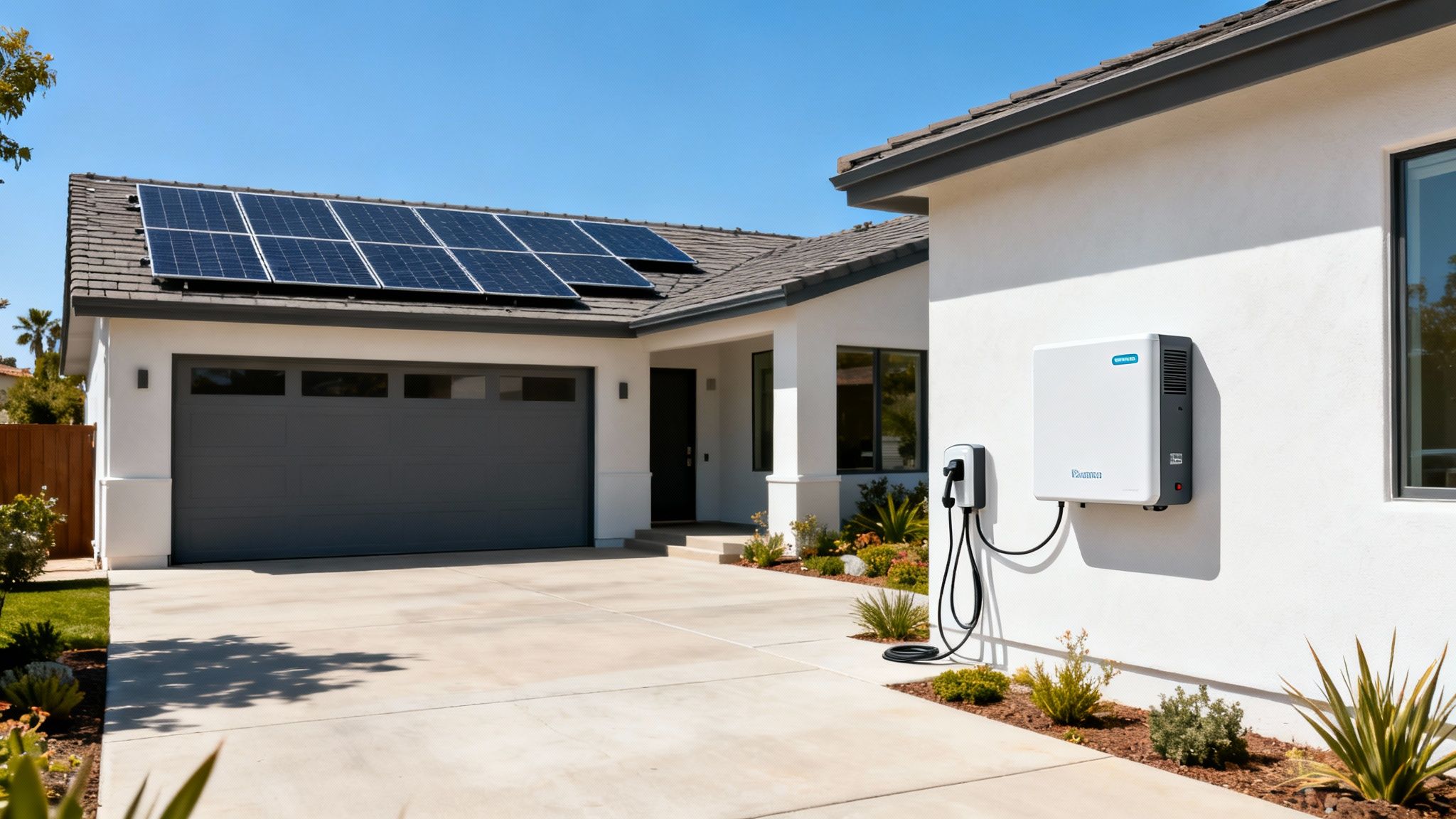
In California, power outages are a predictable part of life due to wildfires, storms, and an aging grid. Investing in a backup power system is a crucial way to disaster-proof your California home. This strategy keeps essential systems like refrigeration, medical devices, and communication working during an outage.
This strategy has proven invaluable for residents across the state. Homeowners in Monterey and Santa Cruz Counties with solar and battery systems maintained normalcy during Public Safety Power Shutoff (PSPS) events. Families in Maricopa County, AZ, rely on backup generators to get through monsoon season outages.
Assessing Your Power Needs
The first step is to determine which systems you cannot live without during an outage. This is known as your "critical load." A professional can help you calculate this.
- Essential Circuits: Prioritize circuits for your refrigerator, HVAC system, well pump, essential lighting, and any home medical equipment.
- System Sizing: A system that provides 5-10kW of power is often enough to cover these critical loads.
- Solution Types: Your needs will determine the best solution. A generator offers immediate power. A solar and battery system provides long-term energy independence and is often supported by a 30% federal tax credit.
Implementing Your Resilience Plan
Once you know your needs, you can choose and install the right system. Proper installation is key to both safety and function.
- Automatic Transfer Switch: This device is essential for a seamless transition. It automatically switches your home's power source from the grid to your backup system when an outage occurs.
- Fuel and Maintenance: If you choose a generator, ensure you have a safe supply of fuel. For battery systems, plan for replacement, typically every 8-12 years.
- Regular Testing: Test your backup system quarterly to confirm it's ready when you need it. Document all installations for your home insurance.
When to Call a Professional
Installing a backup power system is not a DIY project. It involves complex electrical work that must comply with California Title 24 energy codes. A licensed contractor is required to ensure safety.
A professional like Aldridge Construction can manage the entire process, from calculating your critical load to pulling permits. If you are considering Backup Power Systems and Home Resilience Infrastructure, our team can design a system that keeps your family safe through any outage.
Build Safer, Smarter, and Stronger with Aldridge Construction
Protecting your California home is about proactively building resilience into your property. We have explored the 5 ways to disaster-proof your California home, from wildfire-resistant exteriors and seismic retrofitting to flood prevention and backup power. Each strategy is a critical layer of defense against threats we face in Monterey, Santa Cruz, and San Benito Counties.
From Reactive Repairs to Proactive Resilience
A common question is, “Isn’t restoration something you deal with after the damage is done?” While recovery is crucial, recent trends in California construction show a rise in proactive disaster-proofing. Homeowners are adding materials and systems that reduce risk before an event happens.
What this means is that with smart planning, your next remodel can actually make your home more insurable, resilient, and safe. Integrating wildfire-hardened siding or seismic foundation bolting is a long-term investment in your home’s durability and your peace of mind.
Your Actionable Next Step: A Resilience Checkup
The first actionable step is to schedule a “resilience checkup” to identify your home’s specific weak points. This assessment is especially critical if you live in high-risk zones like wildfire corridors or floodplains. A professional evaluation can pinpoint vulnerabilities you may have overlooked.
Upgrading your home also contributes to more sustainable and secure communities. Many of these improvements, like cool roofs, also offer environmental benefits. For more on this, explore our blog on Top Sustainable Upgrades for California Homes.
Don’t wait for disaster to strike. The team at Aldridge Construction is ready to help you assess your home's vulnerabilities and create a customized plan. Our goal is to help you build a safer, smarter, and stronger future.
Ready to fortify your home against earthquakes, wildfires, and floods? The experts at Aldridge Construction specialize in creating resilient, disaster-proof homes. Contact us today for a consultation and take the first step toward lasting peace of mind.
Frequently Asked Questions (FAQs)
1. What is the single most important upgrade for wildfire protection?
The most critical upgrade is installing a Class A fire-rated roof. The roof is the most vulnerable part of a home to flying embers, which are the primary cause of home ignition during a wildfire. Materials like metal, slate, or asphalt composition shingles offer the highest level of protection.
2. How do I know if my home needs seismic retrofitting?
If your home was built before 1980 and has a raised foundation with a crawl space or a "soft story" (like a garage with rooms above it), it is a prime candidate for a seismic retrofit. A professional assessment from a licensed contractor like Aldridge Construction can confirm your specific vulnerabilities.
3. Can I get financial help for disaster-proofing my home?
Yes, several programs are available. The California Earthquake Authority's Brace + Bolt program offers grants for seismic retrofitting. Additionally, some insurance companies offer discounts for homes with certified wildfire-resistant features or seismic upgrades. Federal tax credits are also available for solar and battery backup systems.
4. Is elevating my home the only way to protect it from floods?
While elevation is the most effective method in high-risk flood zones, it's not the only one. Other crucial steps include proper site grading, installing French drains, applying waterproof sealants to your foundation, and installing flood vents in crawl spaces. A combination of these strategies can provide robust protection.
5. How long does a backup battery system last during an outage?
The duration depends on the size of the battery and your energy usage. A typical home battery system, like a Tesla Powerwall, can power essential circuits (refrigerator, lights, internet) for 8-12 hours or longer. When paired with solar panels, the system can recharge during the day, providing power indefinitely as long as there is sun.