
When your home in Monterey or Santa Cruz County feels a bit too snug, expanding upward can seem like the perfect solution. But before you start dreaming of new bedrooms with stunning views, it's crucial to understand the complexities involved. Adding a second story is one of the most significant home renovations you can undertake, demanding meticulous planning and deep structural expertise.
As a trusted local contractor, Aldridge Construction has managed complex vertical additions across Salinas and the surrounding regions. We know a successful project begins long before the first wall is framed. This guide provides our expert tips before you build up, ensuring your investment is safe, compliant, and beautifully executed.
We'll walk you through the non-negotiable first steps, from verifying your home’s structural integrity to navigating the unique permitting challenges in our local communities. Let's explore the foundational knowledge you need to transform your single-story house into a two-story home with confidence. This article covers everything from structural assessments and MEP infrastructure upgrades to waterproofing your new addition.
1. Conduct a Structural Foundation Assessment
Before you dream about new bedrooms or an upstairs office, you must look down at the ground. Your home's foundation was originally designed to support a single story, not two. Adding a second story means introducing tens of thousands of pounds of new weight, and your existing foundation might not be up to the task.
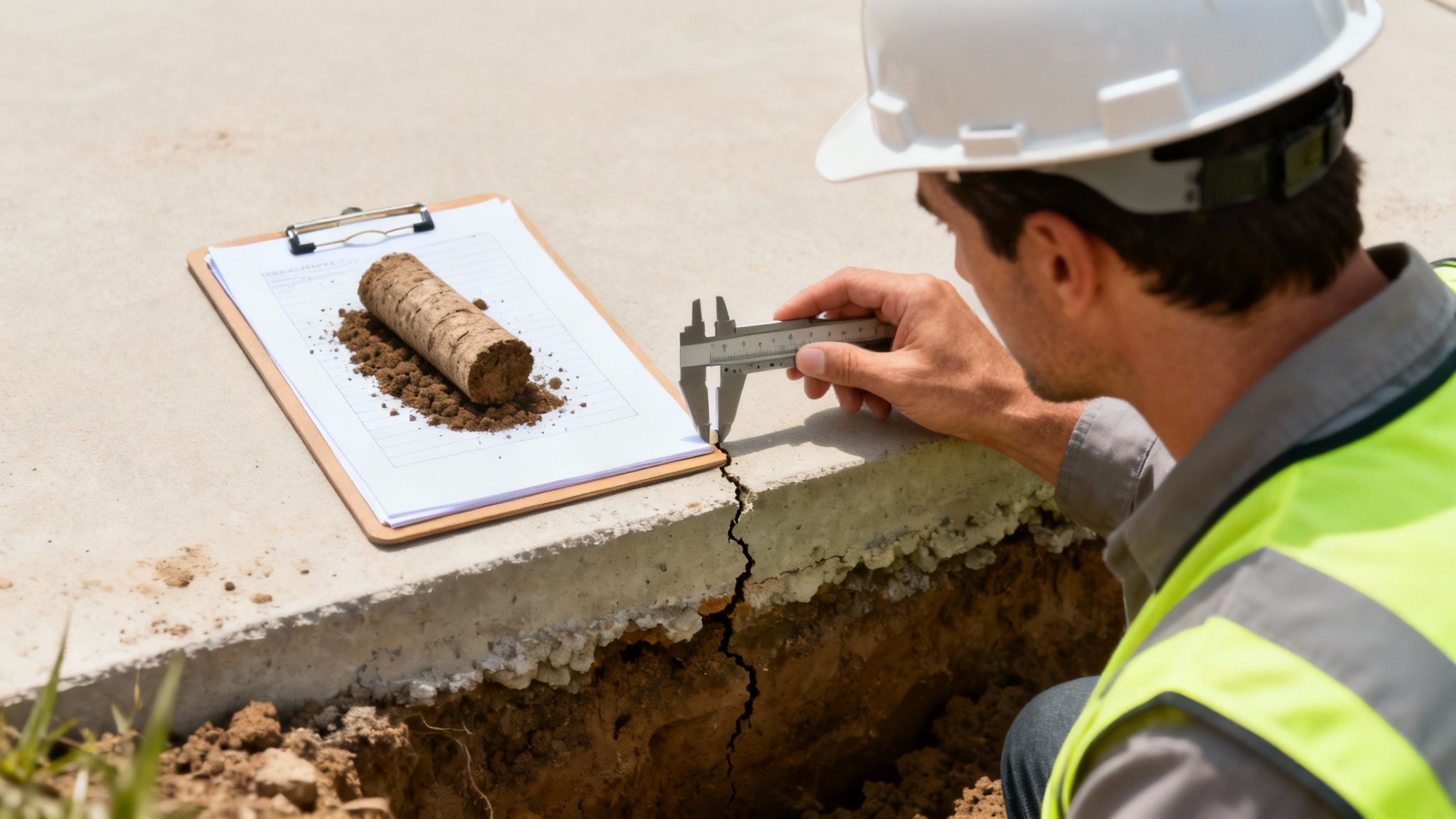
A structural foundation assessment is the first and most critical step in any project for adding a second story. This evaluation, performed by a licensed structural engineer, determines if your home's "bones" can handle the immense new load. The engineer will examine the existing foundation's depth, width, and condition, looking for cracks or signs of stress. They also analyze the soil composition underneath your home to ensure it can provide adequate support.
Why It's Non-Negotiable
Skipping this step is a recipe for disaster. An overloaded foundation can lead to catastrophic structural failure, including severe cracking, uneven settling, or worse. In regions like Monterey and Santa Cruz County, seismic activity adds another layer of risk, making a robust foundation absolutely essential.
This assessment isn't just a suggestion; it's a requirement for obtaining building permits. The findings will dictate whether your foundation needs reinforcement, a crucial factor that significantly impacts your project's budget and timeline.
Actionable Tips for a Solid Assessment
To ensure your vertical expansion starts on solid ground, follow these expert tips:
- Hire the Right Expert: Choose a licensed structural engineer with specific experience in second-story additions in your area, whether it's Salinas, CA, or Maricopa County, AZ.
- Budget for Reinforcements: Proactively include a contingency fund for potential foundation work like underpinning or installing new footings.
- Gather Original Documents: If you have them, provide your engineer with the original soil testing reports and blueprints from the home's construction.
- Get a Second Opinion: If the initial findings are inconclusive or suggest extremely costly work, don't hesitate to get another assessment from a different qualified engineer.
2. Verify Load-Bearing Wall Locations and Integrity
After confirming your foundation can handle the extra weight, the next step is to look at the walls. Your home's first-floor walls are the columns that will support the entire new second story. Load-bearing walls are specifically designed to transfer the weight from the roof and upper floors down to the foundation.
Simply assuming which walls are structural is a dangerous gamble when adding a second story. A structural engineer and a qualified general contractor like Aldridge Construction must precisely identify every load-bearing wall. They will evaluate their condition and determine what reinforcements are needed to support tens of thousands of pounds of new material and living space.
Why It's Non-Negotiable
Failing to properly identify and reinforce these critical walls can compromise your home's entire structural system. The added weight could cause walls to bow, ceilings to sag, or lead to a catastrophic collapse.
This isn't just about safety; it's a fundamental part of the building code. For instance, many older ranch homes in Salinas, CA, have open-concept layouts that rely on long-span beams. These require careful engineering to support an upper level without adding obstructive new columns.
Actionable Tips for Wall Integrity
To ensure your home's vertical structure is ready for the new load, follow these expert tips:
- Engineer First, Design Second: Have a structural engineer identify all load-bearing walls before your architect finalizes the new floor plans. This avoids redesigns.
- Plan for Temporary Supports: During construction, existing ceilings and parts of the roof may need to be removed. Your contractor will need to build temporary support walls to maintain structural integrity.
- Budget for Steel Beams: If your design involves removing a load-bearing wall to create an open space, you'll likely need to install a strong steel or engineered wood beam, which should be factored into your budget.
- Coordinate with Trades: Your contractor must coordinate with HVAC and electrical teams to ensure that any new beams or wall reinforcements do not interfere with ductwork, plumbing, or wiring.
3. Obtain Necessary Permits and Plan Review Approvals
After confirming your foundation is sound, the next critical hurdle is navigating the complex world of permits and plan reviews. Before a single hammer swings, your project must receive official approval from local building departments. This step ensures your second-story addition complies with current building codes, zoning regulations, and safety standards.
The permitting process is a formal review of your architectural and structural plans by your city or county. In the Salinas region, officials will scrutinize every detail, from structural integrity and fire safety to energy efficiency and zoning setbacks. These requirements often include seismic-specific rules and California’s Title 24 energy code compliance, making professional guidance essential.
Why It's Non-Negotiable
Attempting to build without proper permits is one of the most costly mistakes a homeowner can make. It can result in massive fines, stop-work orders, and even a mandate to tear down the unpermitted construction.
Furthermore, unpermitted work creates significant problems when you try to sell your home and can void your homeowner's insurance policy. This process isn't just bureaucratic red tape; it's a crucial checkpoint that verifies your project is designed safely and built to last, a key part of adding a second story.
Actionable Tips for a Smooth Approval Process
To successfully navigate the permitting maze and keep your project on track, follow these expert tips:
- Start the Process Early: Begin permit applications during the design phase. The review process can take weeks or even months, so starting early prevents delays.
- Hire a Permit Expediter: Consider working with a professional or a design-build firm like Aldridge Construction, who is familiar with local requirements in Salinas, CA, to streamline submissions.
- Prepare Detailed Plans: Submit comprehensive architectural and engineering plans that leave no room for ambiguity. Incomplete or vague plans are the number one cause of rejection.
- Budget for Fees: Allocate approximately 5-10% of your total project cost for permitting, plan review, and other associated municipal fees.
4. Plan for Adequate Roof and Structural Bracing Systems
When you add a second story, your existing roof becomes the ceiling of the new floor below. That means the entire roof system must be redesigned or significantly reinforced. Proper planning ensures new trusses, collar ties, and lateral bracing handle the extra loads from living space plus local wind or snow forces.
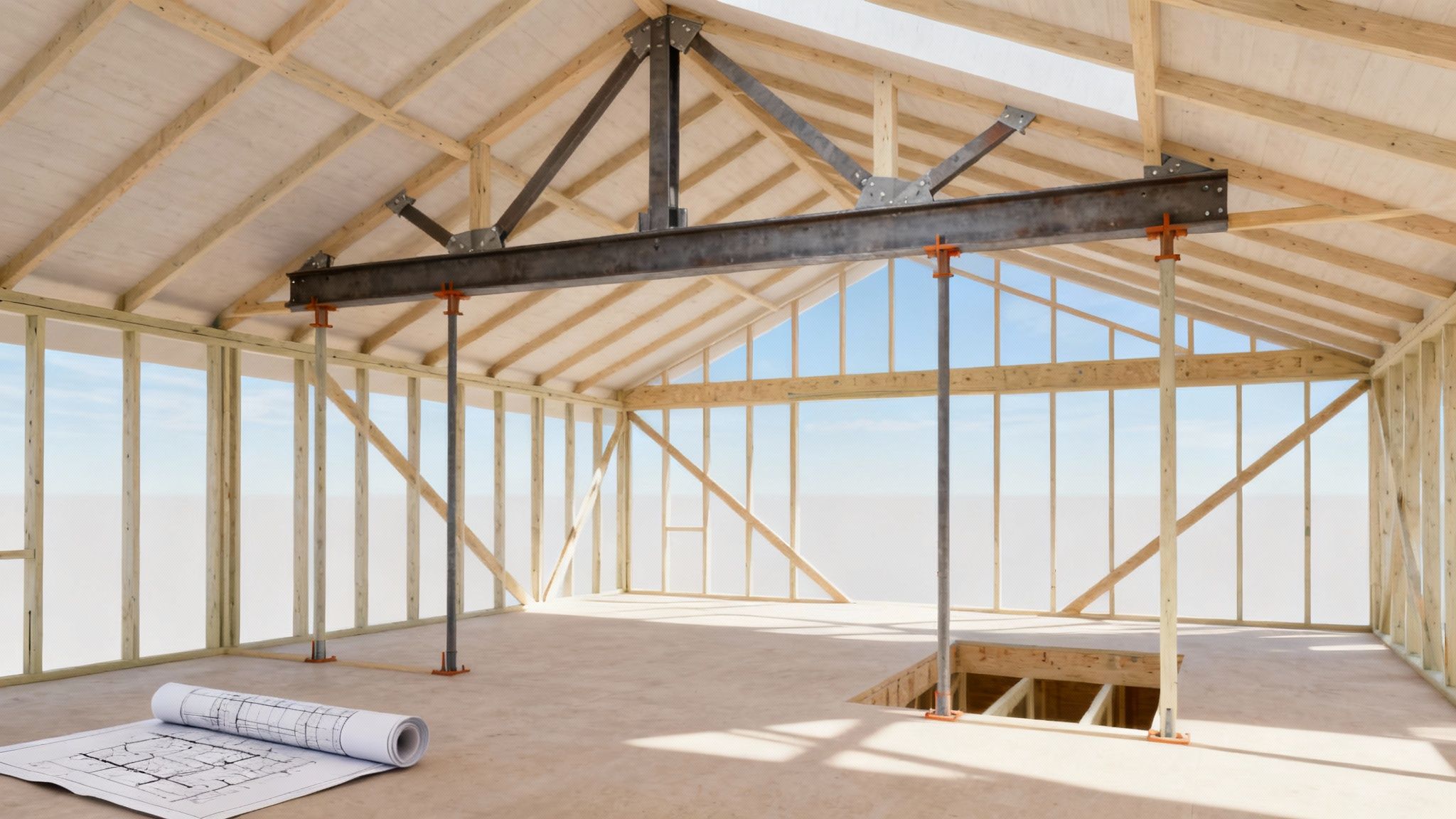
In a typical ranch style home, crews often strip out the old roof framing and install engineered trusses sized for a two-story load. In Colonial revival additions, steel beams serve as the main spine, with traditional stick-built trusses tied into new collar ties. Both approaches demand careful coordination with a structural engineer to maintain roof pitch, proper drainage, and connection points to existing walls.
Why It’s Non-Negotiable
Skipping a full roof and bracing plan can lead to serious problems. Under-designed trusses may sag or fail, causing uneven floors upstairs. In Monterey and Santa Cruz counties, high wind events can twist a weak roof system.
In Maricopa County, intense sun and occasional monsoon rains make moisture barriers and ventilation critical. Building inspectors will flag any bracing gaps, potentially delaying your permit and adding costly rework.
Actionable Tips for a Solid Roof and Bracing Plan
- Hire an Experienced Engineer: Choose someone with second-story retrofit experience in your region.
- Consider Full Roof Replacement: If shingles are 20 years old, factor in replacement to avoid premature wear.
- Install Temporary Supports: Use adjustable posts or shoring beams before removing old rafters.
- Address Ventilation and Barriers: Plan soffit vents and underlayment to prevent mold in your new ceiling.
- Select the Right Truss Type: Compare stick-built trusses for complex rooflines versus engineered trusses for speed and consistency.
Learn more about how roof timelines fit into your second-story build by exploring our guide on Plan for Adequate Roof and Structural Bracing Systems on aldridgeconstruction.biz.
5. Address Mechanical, Electrical, and Plumbing (MEP) Infrastructure Upgrades
A second-story addition is more than just framing and drywall; it's a complete integration of new living space into your home's core systems. The mechanical, electrical, and plumbing (MEP) infrastructure that serves your first floor was likely sized only for its original load. Extending these systems vertically requires a comprehensive upgrade plan to ensure the entire home functions safely and efficiently.
This process involves evaluating and often overhauling your home's essential services. Your electrical panel may need an upgrade to handle more circuits, plumbing must be extended upward for new bathrooms, and your HVAC system needs redesigning to heat and cool a new level.
Why It's Non-Negotiable
Ignoring your MEP systems is not an option when adding a second story. An undersized electrical panel, for example, is a significant fire hazard, as recognized by standards from the National Fire Protection Association (NFPA).
Likewise, an overburdened HVAC system will fail to keep your new space comfortable and will run inefficiently, driving up utility bills. In areas from Salinas, CA to Maricopa County, AZ, building codes strictly mandate these upgrades for safety and compliance.
Actionable Tips for a Seamless MEP Integration
To ensure your home’s new level has the power, water, and climate control it needs, follow these expert tips:
- Bring in MEP Engineers Early: Have licensed electrical, mechanical, and plumbing engineers assess your existing systems' capacity during the initial design phase.
- Plan for a 200-Amp Service: Most single-story homes have 100-amp or 125-amp electrical service. A two-story home almost always requires an upgrade to a 200-amp panel to safely power modern appliances and lighting.
- Consider Modern HVAC Solutions: Instead of trying to stretch your old system, consider efficient alternatives like a ductless mini-split system. This allows you to create a separate climate zone for the second floor, improving comfort and energy savings.
- Run Utilities Before Walls: Ensure all new wiring, plumbing supply lines, drainpipes, and ductwork are installed and inspected before the drywall goes up. This "rough-in" phase is critical and much costlier to change later.
6. Evaluate and Reinforce Existing Walls and Structural Members
After confirming your foundation is solid, the next step is to look at the walls that will carry the new load. Your first-floor walls, beams, and columns were designed to hold up a roof, not an entire second level. Evaluating these structural members is a critical part of the engineering process for adding a second story.
This process involves a detailed inspection by a structural engineer and your contractor. They will assess the condition, size, and spacing of wall studs, headers over doors and windows, and the connections between all framing elements. This evaluation identifies any weaknesses and determines what reinforcements are necessary to transfer the new loads safely down to the foundation.
Why It's Non-Negotiable
Just like the foundation, your first-floor framing is a crucial link in the structural chain. Overlooking this step can lead to sagging floors, cracked drywall, and in the worst-case scenario, structural collapse.
Homes built in the mid-20th century often have inadequate bracing and may require new shear walls to meet modern seismic codes in areas like Monterey and Santa Cruz County. A thorough assessment and reinforcement plan are required by building departments to ensure your expanded home is safe, stable, and code-compliant.
Actionable Tips for a Sturdy Frame
- Inspect for Pests and Moisture: Before reinforcing, get a detailed inspection for wood-destroying insects and hidden moisture damage, which are common issues in older homes.
- Plan for Temporary Support: Reinforcing existing walls often requires temporary shoring to support the first-floor ceiling and roof structure while work is underway. This needs to be planned and budgeted for.
- Upgrade Structural Connections: It’s not just about the wood; it’s about how it’s connected. Plan to upgrade framing hardware like straps, ties, and hold-downs to meet current building codes.
- Budget a Contingency: Factor in a 10-15% contingency specifically for framing issues. It’s common to uncover unexpected rot or damage once the drywall is removed.
7. Plan for Proper Drainage, Waterproofing, and Building Envelope Protection
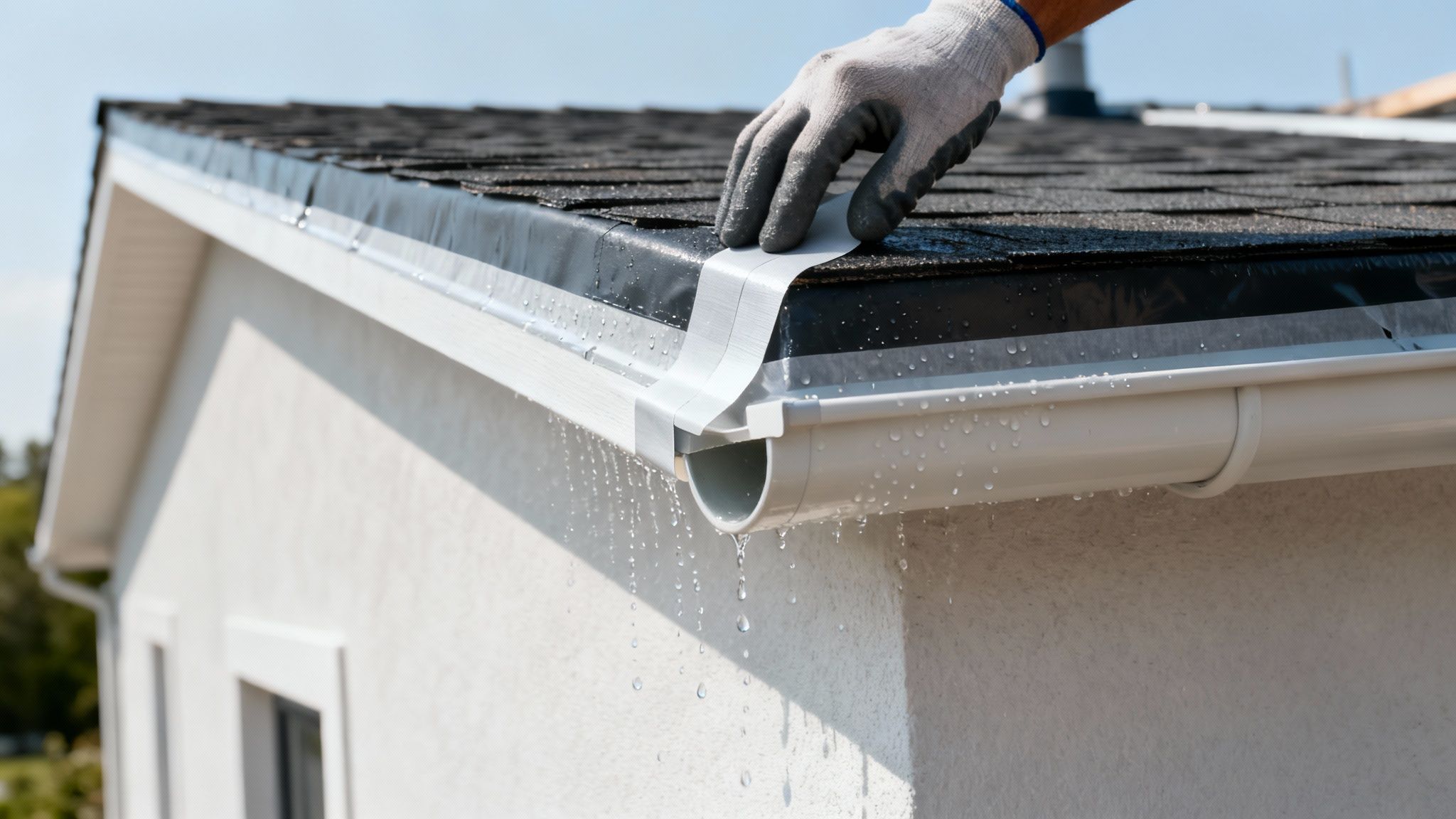
Adding a second story means new exterior walls and roof interfaces that must tie seamlessly into your existing building envelope. Without a watertight barrier, rain and moisture can infiltrate junctions, leading to mold, rot, and costly repairs. Early coordination on drainage, flashing, and weather barriers is key for any homeowner adding a second story: expert tips before you build up.
In Salinas and Monterey County, heavy winter storms will exploit any weakness at the new roof‐wall line. Many second‐story additions have failed because contractors overlooked proper roof‐wall interface waterproofing. Even in Maricopa County monsoons, poor flashing around windows can cause interior staining and wood decay.
Why It’s Non-Negotiable
A solid building envelope protects your investment and maintains indoor comfort. Research from Building Science Corporation shows that incomplete sealing can increase energy costs by up to 20%. The National Roofing Contractors Association (NRCA) warns that water intrusion is the leading cause of structural deterioration in vertical additions.
Proper drainage and waterproofing also streamline building permits in Santa Cruz County and beyond. Aldridge Construction’s design-build expertise ensures every detail meets local codes and stands up to both coastal rains and desert storms.
Actionable Tips for Robust Waterproofing
- Specify premium flashing details in your architectural plans for every roof‐wall junction
- Hire experienced exterior specialists familiar with local climate challenges
- Plan a 6-inch roof overhang to shield new walls from driving rain
- Install continuous gutters with a proper slope to direct water away from foundation
- Use weather-resistant barriers behind cladding and test seams before siding
- Incorporate tested air and water barrier installation products at all critical penetrations
- Perform a water hose test on new wall assemblies before interior finishes
FAQs About Adding a Second Story
How do I know if my house can support a second story?
The only way to know for sure is to hire a licensed structural engineer. They will assess your home's foundation, soil conditions, and load-bearing walls to determine if they can handle the additional weight. This is a mandatory first step before any design work begins.
How much does adding a second story cost in Monterey or Santa Cruz County?
Costs vary widely based on size, complexity, and finishes, but homeowners can expect a significant investment. According to Remodeling Magazine's 2024 Cost vs. Value report, a mid-range master suite addition has a national average cost of over $150,000, and second-story additions are often more complex. Local labor and material costs in California can push this figure higher.
Can I live in my house during a second-story addition?
It depends on the scope of the project, but it is often very challenging. The process involves removing the roof, exposing the first floor to the elements, and creating significant dust, noise, and disruption. Aldridge Construction helps homeowners develop a detailed plan, which often includes temporary relocation to minimize disruption and ensure family safety.
How long does it take to add a second story?
A typical second-story addition can take anywhere from 4 to 12 months, or longer. This timeline includes the design phase, permitting (which can take several months alone in Salinas), construction, and final inspections. Delays can occur due to weather, permit backlogs, or unforeseen structural issues.
What are the biggest challenges with zoning for a second story in Salinas?
Salinas, like many cities in Monterey County, has specific zoning regulations that can impact second-story additions. These include height restrictions, setback requirements (how far the structure must be from property lines), and "floor area ratio" (FAR) limits that dictate the total square footage allowed on your lot. It's crucial to work with a design-build firm that understands these local codes to ensure your plans are approved.
Build Your Future with a Trusted Partner
Embarking on a second-story addition is one of the most transformative investments you can make in your home. It’s a complex journey that demands precision, foresight, and a deep understanding of structural engineering, local regulations, and design integration. As we’ve explored, the success of your project hinges on a series of critical, interconnected steps.
From the foundational assessment to navigating specific zoning hurdles in Salinas, every detail matters. The expert tips covered in this guide are the blueprint for a successful expansion that enhances your home’s value, functionality, and curb appeal for decades to come.
Key Takeaways for Your Vertical Expansion
To summarize the most crucial points from our expert tips on adding a second story:
- Foundation First: Always begin with a professional structural assessment. Without a solid base, the entire project is at risk.
- Permitting is Paramount: Engage with your local building department in Monterey or San Benito County early. Proper permits prevent legal issues and ensure your addition meets safety codes.
- Integrate Systems Thoughtfully: Plan for the increased demand on your electrical, plumbing, and HVAC systems from day one. Retrofitting these later is significantly more expensive and disruptive.
- Protect Your Investment: A robust plan for the building envelope, including drainage and waterproofing, is non-negotiable for protecting your home from water damage.
A second-story addition involves significant roofing work, from removal to the final installation of a new, larger roof system. Since this is a specialized trade, it is important to understand how to choose a roofing company that has experience with large-scale additions and can work seamlessly with your general contractor.
Ready to take the next step and explore the possibilities for your home? The team at Aldridge Construction specializes in complex, design-build home additions across Monterey, Santa Cruz, San Benito, and Maricopa Counties. We manage every detail, from structural engineering to final finishes, ensuring your project is a seamless success. Contact us today for a comprehensive consultation and let’s start building your vision together.