
So, what's the real home construction timeline? While the National Association of Home Builders (NAHB) reports an average of 10 to 16 months for a custom home, the journey is more like a multi-stage roadmap than a rigid schedule. Think of it as planning a cross-country trip—you know the destination, but weather, detours, and unique side trips will shape your exact arrival time.
How Long Does It Really Take to Build a House?
Building a home from the ground up is a deeply detailed process. Thanks to modern advancements like computer-aided design and prefabrication, we've managed to drastically shorten schedules compared to previous eras. If you're a history buff, you can explore the history of construction to see just how far building techniques have come.
These days, any well-managed project follows a predictable sequence, though the time spent in each phase can shift. Your specific timeline will almost always be influenced by a few key factors.
- Local Permitting: The time it takes to get building permits approved can be a wild card. Navigating the permitting process in Monterey County, CA, involves different requirements and wait times than in Maricopa County, AZ.
- Design Complexity: A straightforward, rectangular home moves faster than one with complex angles, multiple rooflines, and unique architectural features that demand more specialized labor and materials.
- Material Availability: Supply chains can be unpredictable. Delays for specific items, like custom-ordered Milgard windows or specialty engineered lumber, can happen. This is why ordering long lead-time materials early is critical.
A realistic home construction timeline isn’t just about scheduling trades; it’s about anticipating variables. Aldridge Construction builds buffer time into every schedule to account for potential setbacks, which is the secret to keeping a project on track without constant stress.
To give you a clearer picture, let's look at a breakdown of the typical timeline.
Typical Home Construction Timeline at a Glance
This table provides a high-level overview of the main phases and their average durations. Think of it as a cheat sheet for understanding the flow of a custom build.
| Phase | Average Duration | Key Activities |
|---|---|---|
| Pre-Construction & Design | 2–4 months | Finalizing plans, engineering, securing financing, and pulling permits. |
| Site Prep & Foundation | 1–2 months | Excavation, grading, utility trenching, and pouring the concrete foundation. |
| Framing | 1–2 months | Building the home's "skeleton," including walls, floors, and roof structure. |
| Exterior & Rough-Ins | 2–3 months | Installing windows, doors, siding, and roofing. Running plumbing, electrical, and HVAC lines. |
| Interior Finishes | 2–4 months | Drywall, painting, flooring, installing cabinets, countertops, and fixtures. |
| Final Touches & Closing | 1 month | Final inspections, landscaping, punch list items, and homeowner orientation. |
As you can see, each stage builds on the last. Delays in one area can create a ripple effect, which is why a well-managed schedule is so important for a smooth process.
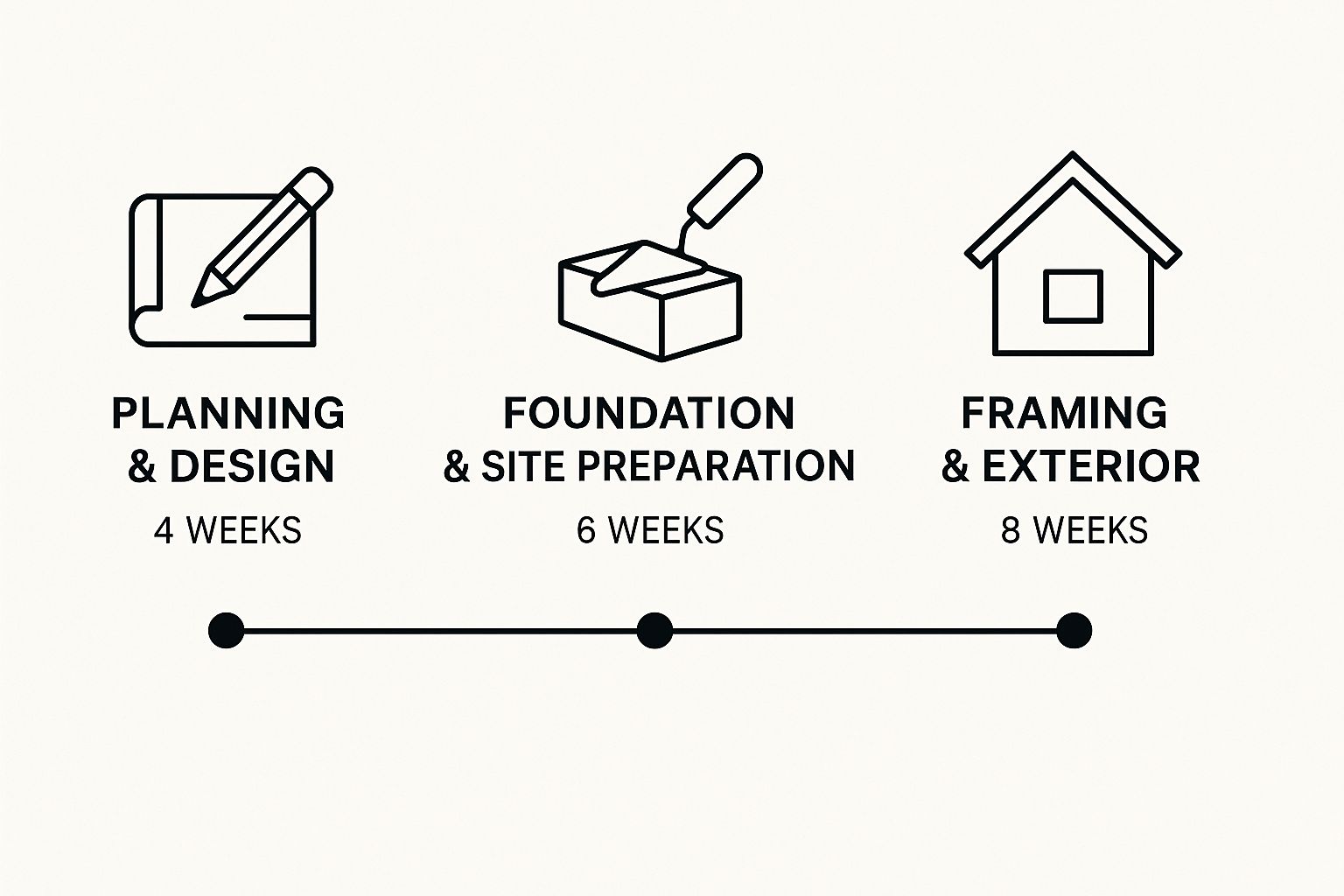
As the visual shows, those first few months are all about critical prep work. This must be done right before the more exciting and visible progress of framing can begin.
Laying the Groundwork in Pre-Construction
The most important part of building a custom home happens before a single shovel hits the dirt. This is the pre-construction phase, where your vision is meticulously translated into a buildable, real-world blueprint.
Rushing the planning stage is a classic mistake that leads to frustrating delays and costly surprises. This phase is about locking in details to keep the entire home construction timeline running smoothly.
Finalizing Designs and Securing Permits
Before work can begin, your architectural plans need to be final and fully approved. This covers everything from your floor plan's flow to the complex structural engineering. Aldridge Construction always suggests using a thorough guide, like our own new home construction checklist, to track every decision.
Once plans are set, we submit them to the local building department for permits. This is one of the biggest variables in any project's timeline. The planning departments in Santa Cruz County, CA, and Maricopa County, AZ, have different rules, backlogs, and staffing. A permit that takes weeks in one place could take months in another.
Understanding Site and Regional Factors
On your specific property, local conditions are what really matter. During pre-construction, Aldridge Construction coordinates crucial site work that must happen first.
This includes:
- Soil Testing: We need to know what we're building on to design the right foundation.
- Site Survey: This maps out property lines, slopes, and any existing features.
- Grading and Excavation Plan: This is the blueprint for preparing the land, ensuring proper drainage and a perfect base for your home's foundation.
Getting these preliminary steps right separates a well-run project from a chaotic one. It’s the process of turning an idea into a fully vetted, permit-approved plan, ready for construction.
Bringing Your Home's Skeleton to Life
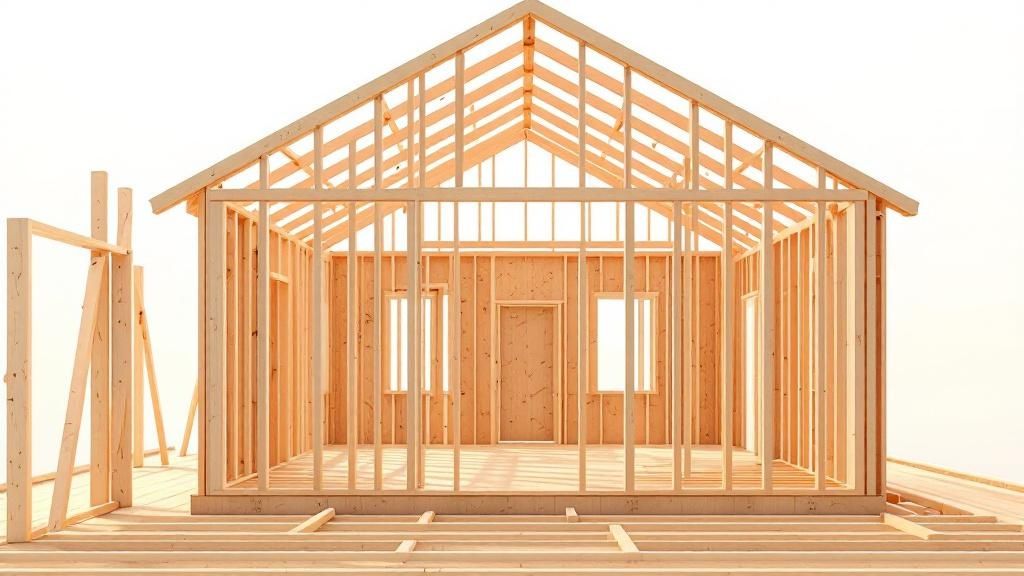
After all the planning and paperwork, this is where your dream finally starts taking shape. The framing stage is when your blueprints leap off the page and become a three-dimensional reality. For most clients, seeing the walls go up is the moment the project feels truly real.
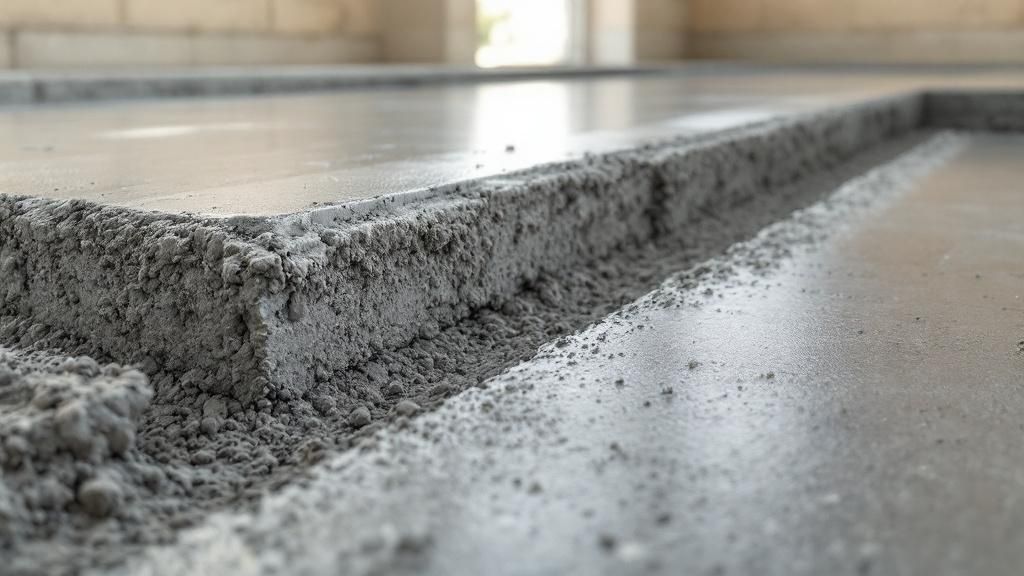
But before any wood goes up, it all starts with the concrete foundation. We focus on meticulous site prep and, most importantly, giving the concrete proper time to cure. A strong foundation is the literal bedrock of your home, and cutting corners here can cause structural problems for decades.
From Foundation to Framing
Once the foundation is rock-solid and passes inspection, our framing crew gets to work. At Aldridge Construction, we rely on high-quality lumber like Douglas Fir to build a framework that’s made to last.
Watching the structure emerge piece by piece is fascinating:
- Floor Systems: First, we lay out the platforms that will become your ground floor.
- Wall Erection: Next, exterior and interior walls are built and hoisted into place, defining the rooms you’ve only seen on paper.
- Roof Trusses: Finally, engineered trusses are set on top, creating the iconic roofline and completing the home’s silhouette.
This part of the process moves incredibly fast. In what feels like no time, you can walk through the outlined spaces of your future home.
The Critical Framing Inspection
Before moving forward, a crucial framing inspection is required. A local building inspector from Monterey, Santa Cruz, or Maricopa County will meticulously check that the structure meets all safety codes and matches the approved plans. Passing this inspection is the official green light to start enclosing the home.
The framing phase is a core part of our expertise in full-service residential construction, where we manage every detail from the ground up. With the skeleton complete, the next step is adding the "skin" and vital systems.
Enclosing the Structure and Installing Vital Systems
With the home’s skeleton standing tall, the race is on to create a protective shell. This is a critical phase called "drying in," where the goal is to shield the structure from the elements as quickly as possible. It starts by wrapping the exterior sheathing in a weather-resistant barrier, the home's first line of defense against moisture.
Next, the house gets its "eyes and ears" as crews install windows and exterior doors, followed by roofing. Once the home is weathertight, the real action moves inside, with specialized trades laying the groundwork for the home’s nervous and circulatory systems.
Choreographing the Trades
Inside this newly enclosed space, a carefully managed sequence of work begins. This is arguably the most complex scheduling puzzle in the entire home construction timeline. An experienced general contractor’s value shines here, choreographing plumbers, electricians, and HVAC technicians to work efficiently.
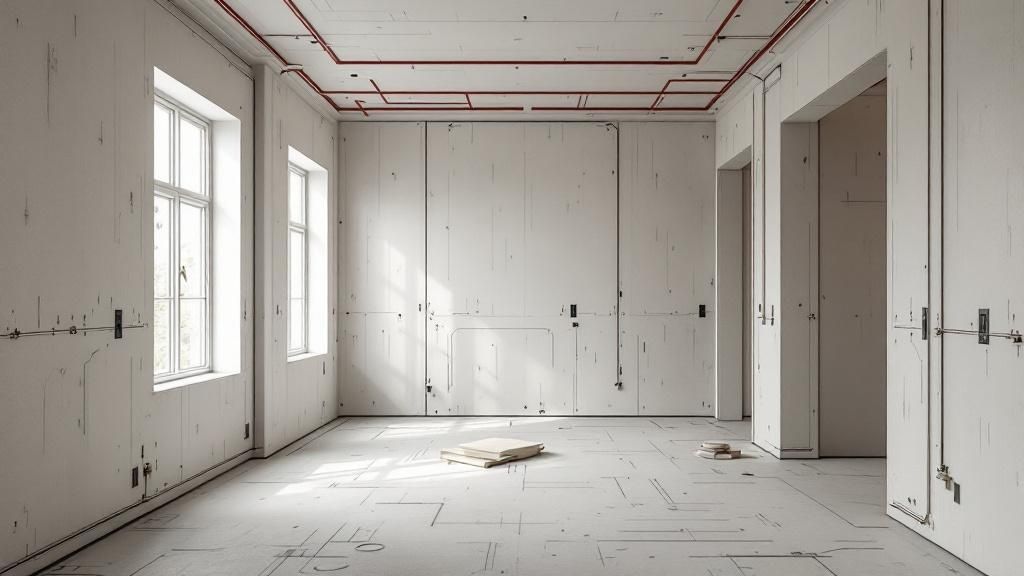
This behind-the-scenes magic involves running miles of pipes, wires, and ductwork through the open stud walls. Each system must be installed perfectly and pass its "rough-in" inspection before drywall goes up.
The primary systems installed include:
- Plumbing: Hot and cold water supply lines and sewer drain lines are routed to kitchens, bathrooms, and laundry areas.
- Electrical: All wiring for outlets, switches, light fixtures, and major appliances is pulled throughout the house.
- HVAC: The ductwork for heating, ventilation, and air conditioning is installed, along with the main furnace or air handler.
Managing the Pace of Construction
This intricate dance of trades is vital for keeping a project on schedule. The global residential construction market is projected to grow from $5.83 trillion in 2025 to $7.68 trillion by 2030, putting pressure on efficient building methods. [Source: Research and Markets, 2024] For a closer look at economic forces, you can review housing and construction data from FRED.
This industry growth shows how critical precise project management is. When you partner with experienced home improvement contractors, you get a team that excels at this complex coordination in regions like Monterey County, CA, and Maricopa County, AZ.
Adding Personality with Interior and Exterior Finishes
This is the most rewarding part of the build, where the raw structure blossoms with the personality and style you’ve planned for months.
Once mechanical systems get the green light, we move on to insulation—a critical step for comfort and energy bills, whether in sunny Maricopa County, AZ, or the milder Central Coast of California. After insulation, the drywall goes up. This is a huge milestone in the home construction timeline, as defined rooms suddenly take shape.
From Blank Canvas to Finished Space
With smooth, primed walls, the real artistry begins. All those design decisions you made are about to come to life. Carpenters install interior doors, baseboards, and custom trim that gives the home its unique character.
Next, painters apply the final colors that set the mood for each room. From here, it’s a whirlwind of activity as different finish crews start their work.
- Cabinetry Installation: Custom cabinets are set in the kitchen, bathrooms, and laundry room, forming the functional backbone of these spaces.
- Countertop Placement: Once cabinets are secure, precise measurements are taken for your countertops. Whether it’s gleaming quartz or natural granite, the material is fabricated and installed.
- Flooring and Tile: This is where textures come alive. Hardwood, tile, or luxury vinyl plank flooring is laid. In bathrooms and kitchens, tile work on backsplashes and shower surrounds adds stunning detail.
The quality of the finish work is what separates a good house from a great one. Every detail contributes to that final, polished look.
Completing the Exterior and Final Details
While this is happening inside, crews are also finishing the exterior. The final layer of siding or stucco is applied and painted, realizing the home's curb appeal. The installation of energy-efficient Milgard windows and exterior trim completes the picture.
Back inside, electricians and plumbers install "finish" fixtures like lights, outlets, faucets, sinks, and toilets. Cabinet hardware and doorknobs are installed, and major appliances are connected. It’s during this detail-heavy phase that our experience with high-end home renovations and additions in the Salinas-Monterey area ensures every selection is installed with absolute precision.
Navigating the Final Touches and Handover
You’re officially in the home stretch! This final phase of the home construction timeline is all about precision, documentation, and seeing every detail fall into place. Inside, crews install light fixtures, plumbing hardware, and all major appliances.
Simultaneously, the focus outside shifts to creating the property’s final look. We handle final grading for proper drainage, install landscaping, and pour concrete for driveways and walkways. This work transforms a construction site into a polished, welcoming home.
The Homeowner Walkthrough and Punch List
One of the most critical steps is the final homeowner walkthrough. This is a collaborative meeting where you and your project manager walk through the entire home to create a "punch list"—a checklist of any small items needing correction.
This is your chance to spot little things, such as:
- A paint touch-up needed on a wall.
- An interior door that sticks and needs adjusting.
- A cabinet drawer that doesn’t close smoothly.
Addressing these items ensures the final product meets the highest standards and that you are 100% satisfied before we hand over the keys.
The Certificate of Occupancy and Handover
With the punch list resolved, we reach the ultimate milestone: receiving the Certificate of Occupancy from the local building department in Monterey, Santa Cruz, or Maricopa County. This document certifies that your home is safe, compliant with all building codes, and ready for you to move in.
The increasing global demand for new housing puts pressure on builders to adopt efficient methods to keep projects moving swiftly. You can read more about trends in residential construction volume to get a sense of these market forces.
Finally, with all approvals in hand, it’s the moment you’ve been waiting for. We hand over the keys, and your beautiful new custom home is officially yours.
Frequently Asked Questions (FAQs)
1. What are the biggest causes of construction delays?
The most common delays stem from weather, permitting backlogs, and supply chain issues for materials like windows or custom tile. Homeowner-requested changes after construction begins can also extend the timeline. Aldridge Construction mitigates these risks through proactive planning and scheduling.
2. Can I make changes to the plan after construction starts?
Yes, but it will impact the schedule and budget. Changes are handled through a formal "change order" document. Modifying something after a phase is complete (e.g., moving a wall after electrical is installed) is significantly more costly than making adjustments during the design phase.
3. Does building a custom home take longer than a production home?
Generally, yes. A custom home involves a more detailed design, engineering, and material selection process tailored to you. A production home uses pre-approved plans, which streamlines construction. The extra time for a custom build results in a one-of-a-kind home built exactly for your lifestyle.
4. How often should I visit the construction site?
We recommend scheduled site visits at key milestones (e.g., post-framing, pre-drywall) with your project manager. This ensures the site is safe and allows for a productive walkthrough to answer your questions. Unannounced visits can disrupt subcontractor workflow.
5. How does local climate affect the construction timeline?
Climate plays a significant role. In Monterey and Santa Cruz Counties, the rainy season can pause foundation and framing work. In Maricopa County, extreme summer heat can affect concrete pouring schedules and worker safety, requiring adjustments to the daily work plan.
Building your dream home is a massive undertaking, and choosing the right partner is the single most important decision you'll make. Aldridge Construction is built on a foundation of transparency, quality, and clear communication every step of the way.
Ready to start the conversation about your custom home in Monterey, Santa Cruz, San Benito, or Maricopa Counties? Contact us today for a consultation.