
The moments right after a house fire are chaotic and confusing. Your first instinct is, and always should be, to ensure everyone is safe. But once the immediate danger has passed, the steps you take next are absolutely critical for protecting your property and starting the fire damage restoration process.
Acting quickly with professional help can mean the difference between a successful recovery and long-term problems. It can stop soot from permanently etching into your home's surfaces and prevent the water used to fight the fire from turning into a massive mold issue.
What to Do Immediately After a House Fire
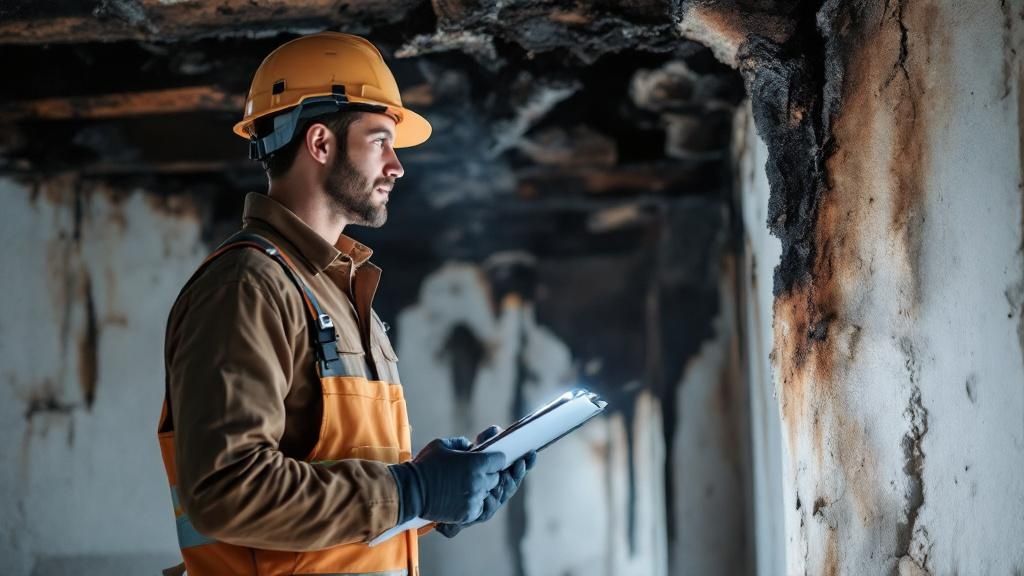
Once the fire department has given you the all-clear, it's time to start taking back control. What you do in these first few hours and days sets the stage for a smooth recovery. Think of this as your emergency checklist for securing your home, whether you're in Monterey, Santa Cruz, or Maricopa County.
Your first two phone calls are the most important: one to your insurance agent and the other to a certified restoration team like Aldridge Construction. Getting your insurance provider in the loop starts the claims process, while a professional crew can get to work right away mitigating any further damage.
Key First Steps to Take
It’s completely normal to feel overwhelmed. Focusing on a few concrete tasks can bring back a sense of control and protect both your home and your insurance claim.
- Document Everything: Before anyone touches or moves a single thing, pull out your phone. Take extensive photos and videos of all the damage from every possible angle.
- Secure the Property: Fires often compromise windows, doors, and sometimes even the roof. You'll need professional board-up and tarping services to protect your home from weather and prevent unauthorized entry.
- Avoid DIY Cleanup: It’s tempting to start wiping down walls or cleaning carpets, but this can be a costly mistake. Using the wrong cleaning methods can smear soot and grind it deeper into surfaces, making the damage much worse—and potentially permanent.
The global disaster restoration services market was valued at over $200 billion in recent years and is projected to grow. This underscores how vital specialized, professional services are for effectively handling fire-related incidents. [Fortune Business Insights]
Moving fast isn't just about cleaning up the mess; it's about preservation. In the humid climate of California's Central Coast, water from fire hoses can spark a mold outbreak in as little as 24-48 hours.
By bringing in professionals, you're not just fixing what's broken—you're laying the groundwork for your home's future. Many homeowners Aldridge Construction has worked with use this tough situation as an opportunity to rethink their living space. As a trusted home renovation and ADU contractor in Monterey, Aldridge Construction can help you turn a disaster into a completely redesigned home.
The Professional Damage Assessment Process
Once the Aldridge Construction team arrives at your Monterey or Santa Cruz County property, our first job is a meticulous inspection. This isn't just a quick walkthrough; it's a systematic deep dive to understand the full extent of the damage. A professional assessment is a critical first step in the fire damage restoration process because it becomes the blueprint for an effective recovery.
Our experts get to work right away, identifying how fire, smoke, and water have impacted your home's structure and everything inside it. What many people don't realize is that not all soot is the same. For instance, the greasy residue from burning plastics requires a different cleaning strategy than the fine powder from burnt wood.
Understanding Different Types of Soot and Smoke
The right cleanup method depends on the type of fire. Here’s what we look for.
| Damage Type | Common Source | Residue Characteristics | Effective Restoration Method |
|---|---|---|---|
| Wet Smoke | Low-heat, smoldering fires (e.g., plastics, rubber) | Sticky, greasy, smeary residue with a strong odor. | Wet cleaning with specialized degreasing agents. |
| Dry Smoke | High-temperature, fast-burning fires (e.g., wood, paper) | Fine, powdery, non-greasy residue. | Dry cleaning methods like HEPA vacuuming and chemical sponges. |
| Protein Residue | Evaporated organic matter (e.g., kitchen fires) | Nearly invisible but has a pungent, burnt food odor. | Specialized enzymatic cleaners to break down the proteins. |
| Fuel Oil Soot | Furnace puff-backs | Gray/black soot that can stain surfaces. | Dry-cleaning sponges and specific solvents. |
Knowing what we're up against allows us to choose the most effective tools for the job, ensuring a thorough restoration without causing secondary damage.
Evaluating Structural and Hidden Damage
Beyond the obvious charring and soot, the real focus is on what you can't see. The team assesses potential weak points in the structure, checks for compromised electrical wiring, and uses sensitive moisture meters to map out hidden water damage left behind by firefighting efforts. This thorough evaluation ensures no problem is overlooked, only to pop up later.
This chart shows some of the key metrics we track to ensure effective soot removal, comparing particulate levels before and after our cleaning process.
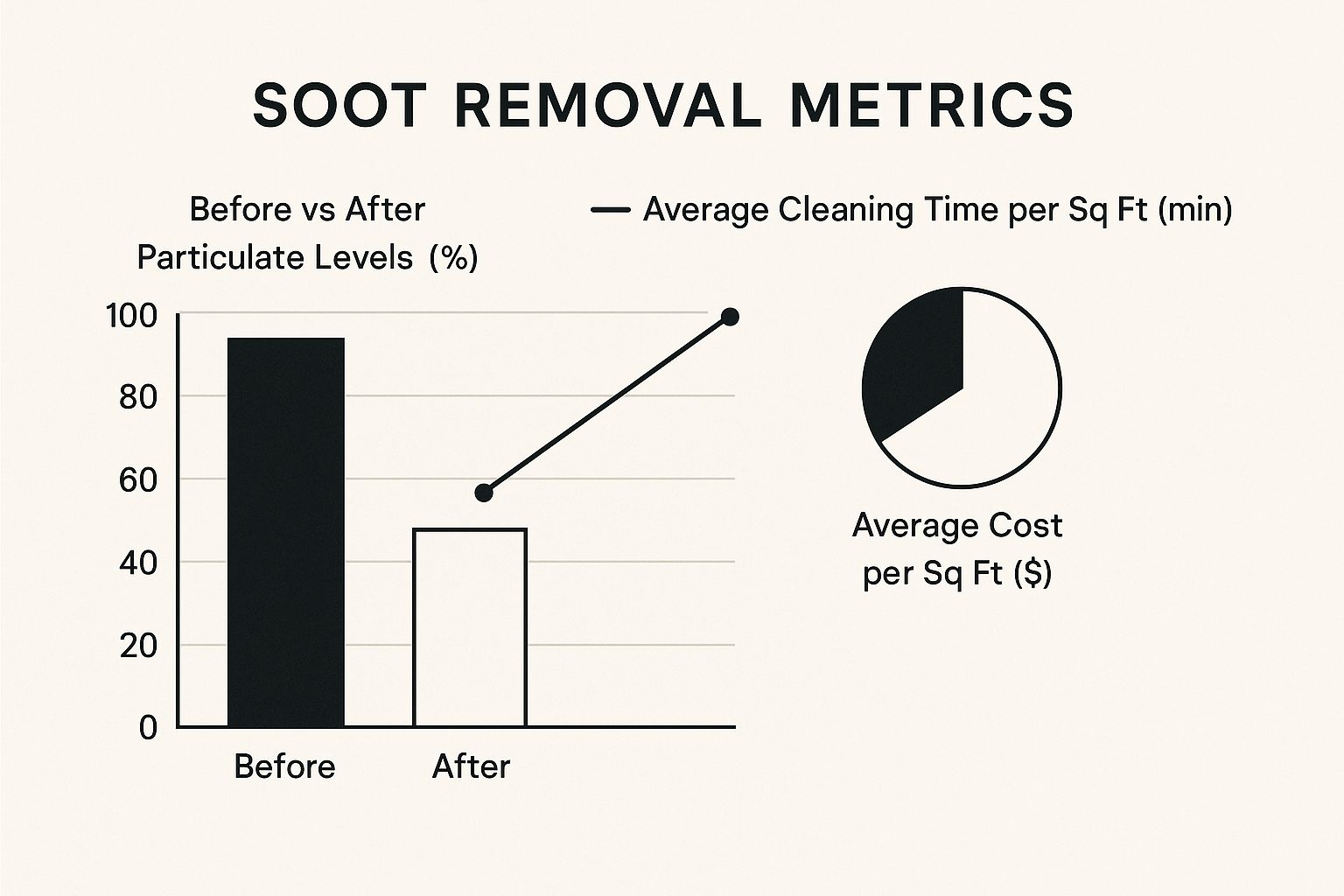
As the data shows, professional methods drastically reduce harmful airborne particulates while keeping restoration times efficient. This comprehensive assessment allows Aldridge Construction to build a detailed, transparent restoration plan to share with both you and your insurance provider.
A detailed and professional damage assessment is non-negotiable. It's the only way to ensure your insurance claim accurately reflects the full extent of the loss and to prevent surprise issues from appearing months down the road.
This transparent approach gets everyone on the same page from day one. For property owners and managers dealing with these situations, having a detailed scope of work is essential. Aldridge Construction provides comprehensive property management remodeling and repair services that cover everything from the initial assessment through to final reconstruction.
Securing Your Home to Prevent Further Damage
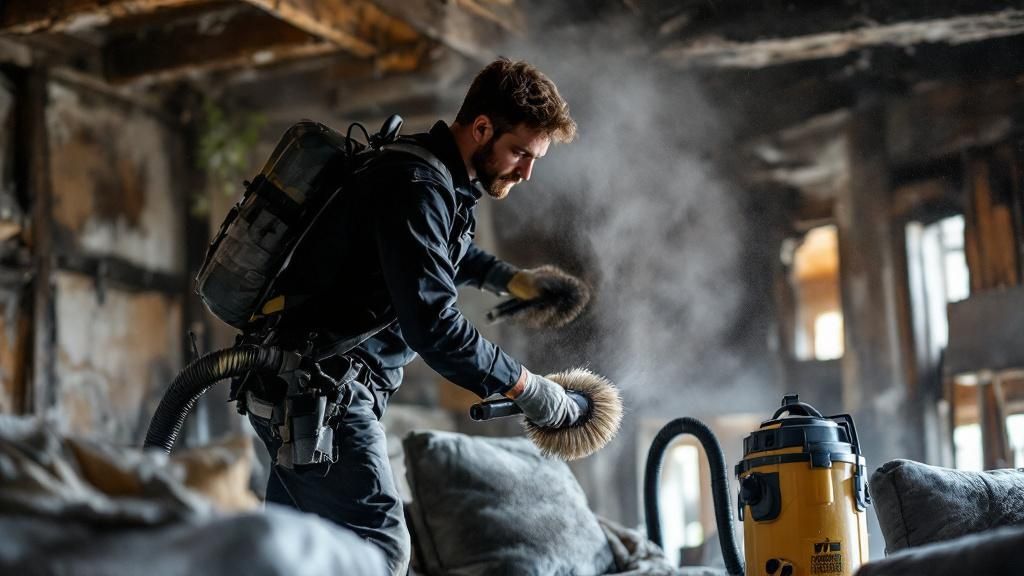
Once the immediate shock of a fire subsides, the first hands-on task is to protect your property from any more harm. An unsecured home is vulnerable to weather, pests, and even theft. That’s why immediate mitigation is a non-negotiable part of the fire damage restoration process.
The team's top priority is to stabilize the environment. This means boarding up broken windows, securing any compromised doors, and getting tarps on damaged roofs to stop water from getting in. This step is especially vital during the wet seasons in Monterey and Santa Cruz Counties, where a single leak can quickly turn a bad situation into a catastrophe.
Halting Secondary Damage
If the firefighting efforts left standing water behind, extraction and drying are addressed right away. Using industrial-grade pumps and powerful dehumidifiers, Aldridge Construction gets to work stopping secondary issues like wood rot, delaminating materials, and dangerous mold growth before they have a chance to start.
This proactive work is what separates professional restoration from a simple cleanup. It shows a commitment to preserving as much of your property as possible before the real cleaning even begins. A rapid response is absolutely essential, especially as the need for qualified restoration services grows.
The disaster restoration industry in the U.S. alone is a multi-billion dollar market. This growth is largely fueled by an increase in severe weather events and aging infrastructure, requiring true professional intervention. [IBISWorld, 2024]
By securing the property first, a safe, controlled environment is created where the extensive cleaning and rebuilding work can happen.
Whether you're dealing with a fire in California or facing a major project in Arizona, the Aldridge Construction team is ready to manage every stage. For our clients in Arizona, you can learn more about our work as a home renovation and ADU contractor in Maricopa County and see how we handle large-scale projects there.
Deep Cleaning and Deodorization
With your property secured and the immediate dangers handled, the real work of bringing your home back to life can begin. This next phase is all about deep cleaning and deodorization—it’s the heart of any professional fire damage restoration process. This isn't just a surface wipe-down; it's where specialized techniques and equipment make the crucial difference between a house that looks clean and one that is truly safe and healthy again.
The first thing tackled is the soot. It gets everywhere, and not all soot is the same. Depending on what burned, it can be a dry, dusty powder or a greasy, stubborn film. Crews start with high-efficiency particulate air (HEPA) filter vacuums to carefully lift away the fine, loose particles without kicking them back into the air. For that oily, sticky residue, tools like chemical sponges are used to lift soot off surfaces without smearing.
Going Beyond the Surface to Remove Soot and Odor
Every surface—from hardwood floors and tile to delicate fabrics—needs a specific cleaning method. But getting rid of the visible grime is only half the battle. If you've ever been near a fire, you know that the smell of smoke is incredibly persistent, and eliminating it for good is just as important.
The disaster restoration market, which covers fire and smoke remediation, has grown into a massive global industry. It's valued at around $50 billion, a number that shows just how critical professional-grade solutions have become over simple cleaning. You can read more about these market trends and their drivers.
To get rid of that smoke odor permanently, the molecules must be neutralized at their source. We're not talking about air fresheners that just cover up the smell. Advanced technology gets to the root of the problem.
- Thermal Fogging: This is a highly effective technique where a deodorizing agent is heated into a super-fine mist. That mist behaves just like the original smoke, penetrating deep into porous materials like drywall, wood, and carpet to find and neutralize the odor-causing particles hiding there.
- Hydroxyl Generators: These machines are a fantastic, safe option, especially when there are sensitive electronics or plants in the home. They use UV light to create hydroxyl radicals—naturally occurring molecules that actively break down smoke odors and other volatile organic compounds (VOCs) in the air, leaving it clean and fresh.
This combination of meticulous, hands-on cleaning and advanced deodorizing technology ensures your home in Monterey, Santa Cruz, or Maricopa County isn't just visually restored. It's truly clean, safe, and completely free of any lingering smoke.
Rebuilding and Restoring Your Living Space
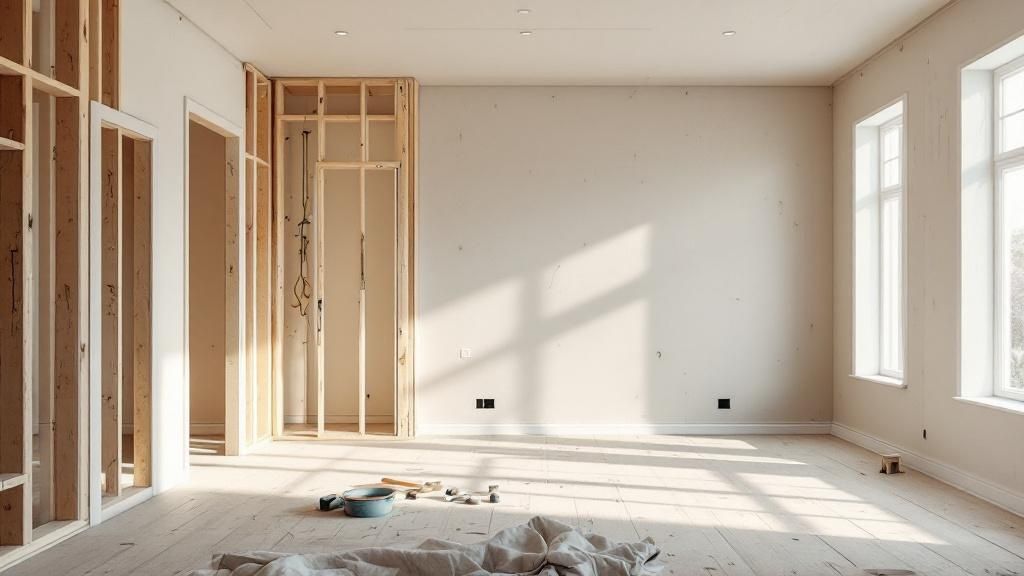
Once the intensive cleaning and deodorizing are done, the final, and most rewarding, part of the fire damage restoration process begins: the reconstruction. This is the moment where all the hard work pays off, and your property starts to feel like a home again—safe, functional, and truly yours.
This is where Aldridge Construction's expertise as a licensed general contractor really comes into play. We manage a seamless transition from restoration to rebuilding, handling every detail of the construction. This unified approach eliminates the communication headaches and scheduling nightmares that can happen when you have to hire a separate contractor after the cleanup crew leaves.
From Minor Repairs to Major Reconstruction
The scale of reconstruction can vary wildly from one home to another. For some homeowners in Monterey or Santa Cruz County, it might be a matter of minor repairs—hanging new drywall, painting, and installing fresh flooring and trim.
But for homes with more severe structural fire damage, the work is much more involved. This could mean rebuilding entire walls, replacing roof trusses, or even reconstructing a whole section of the house. Our team handles these complex structural jobs with absolute precision, ensuring every repair meets or exceeds local building codes.
Turning a disaster into an opportunity is a powerful mindset. Many homeowners use the reconstruction phase to make long-desired upgrades, improving their home's function and value beyond its pre-fire condition.
We’re experts at managing the nitty-gritty details, whether that means navigating California's strict Title 24 energy codes or securing the specific building permits required in Maricopa County, AZ.
Upgrading and Improving Your Home
While incredibly challenging, this period also offers a unique chance for a fresh start. If you’ve been dreaming of an open-concept kitchen or wanting to get rid of old, drafty windows, this is the perfect time to do it. Integrating these upgrades into the restoration work is both efficient and cost-effective.
Some common post-fire upgrades we handle include:
- Installing energy-efficient Milgard windows to lower utility bills.
- Reconfiguring layouts for a better, more modern flow.
- Upgrading to durable, beautiful materials like quartz countertops or luxury vinyl plank flooring.
By combining these improvements with the necessary repairs, you can turn a devastating event into an opportunity to build back better than before. If you're curious about what an expansion might involve, our home addition costs calculator can give you a solid starting point for planning your budget.
A Summary of the Fire Damage Restoration Process
Recovering from a fire can feel overwhelming, but understanding what comes next helps put you back in control. The entire restoration process is a journey, one that takes your property from a place of damage and uncertainty back to the safe, comfortable home you remember. Think of it as a roadmap with distinct, manageable steps.
The very first step is always safety and a professional assessment. After that, the priority is to secure the property and prevent any more damage—a crucial move in both wet Monterey County and dry Maricopa County. Only then can the intensive work of deep cleaning and odor removal begin.
The most important thing to remember is that a successful restoration depends on a systematic, professional approach. Trying to cut corners or tackle complex tasks like soot removal on your own often just creates bigger, more expensive problems down the road.
Finally, the reconstruction phase brings it all back together. To help you keep track of what needs to happen, here’s a quick checklist of the most important actions:
- Make the Emergency Call: Immediately contact your insurance company and a certified restoration contractor like Aldridge Construction.
- Get a Detailed Assessment: A professional must perform a thorough inspection of all fire, smoke, and water damage.
- Secure the Site: Authorize immediate board-ups and other measures to protect your property from further harm.
- Leave Cleaning to the Pros: Soot and smoke are hazardous. Rely on experts with specialized equipment to handle it safely.
- Create a Reconstruction Plan: Work with your contractor to plan the repairs and discuss any desired upgrades.
- Do a Final Walkthrough: Once work is done, you’ll do a final inspection to approve everything and officially close out the project.
Following a structured process ensures nothing gets overlooked. As you approach that final rebuilding stage, it’s a smart move to get free home renovation quotes to see what the costs look like.
Frequently Asked Questions About Fire Restoration
When you're dealing with the aftermath of a fire, questions and uncertainty can feel overwhelming. Aldridge Construction has been helping homeowners in Monterey, Santa Cruz, and Maricopa Counties navigate this difficult time for years, and getting clear answers is the first step toward recovery. Here are answers to common questions.
How Long Will the Restoration Take?
This is usually the very first question people ask, and the honest answer is: it depends entirely on the extent of the damage. A small fire contained to the kitchen might only take a few weeks to completely restore. But for a major fire that affects your home's structure, the process could take several months. Once the initial on-site assessment is complete, you will receive a detailed project timeline.
Will My Insurance Cover the Restoration Costs?
In most cases, yes. Standard homeowner's insurance policies are designed to cover fire damage restoration. However, the specifics of your coverage will be unique to your policy. Aldridge Construction works directly with insurance adjusters, providing the professional estimates and detailed documentation they need to advocate for you and ensure your claim is handled efficiently.
Is It Safe for My Family to Stay in the House?
During the active restoration phase, it is not safe to live in your home. This is for your protection. There are too many risks—from potential structural weak points to airborne soot and the professional-grade cleaning agents used. Your family’s safety is the absolute top priority. You will be notified the moment the property is clean, secure, and ready for you to return.
Can You Save Our Personal Belongings?
It is often surprising what can be saved. Specialized techniques are used to clean and deodorize many items, from furniture to clothing and textiles. Unfortunately, some things just can't be recovered, especially items that were heavily charred or soaked with water. A thorough inventory of both salvageable and non-salvageable items will be created to ensure your insurance claim is comprehensive and accurate.
Do I need to hire a separate contractor for the rebuilding?
If you work with a full-service restoration contractor like Aldridge Construction, you will not need to hire a separate company. As a licensed general contractor, Aldridge handles everything from the initial cleanup to the final reconstruction, which streamlines the process, improves communication, and ensures consistent quality.
At Aldridge Construction, we are a licensed general contractor. That means we don't just clean up the mess; we handle the entire recovery process, from emergency board-ups to the final reconstruction. This seamless approach saves you the stress of juggling multiple contractors and ensures consistent, high-quality work from start to finish. Contact us today for a consultation.