
A home addition costs calculator can provide a ballpark figure, but it's just the starting point. While national averages often range between $21,000 and over $82,000, the real price depends on specifics—your project's size, the finishes you choose, and local labor rates, which vary significantly between Monterey County, CA, and Maricopa County, AZ.
Understanding these variables is the first step toward a realistic budget. This guide breaks down the key factors that influence your final cost, helping you plan with confidence.
Your First Look at Home Addition Costs
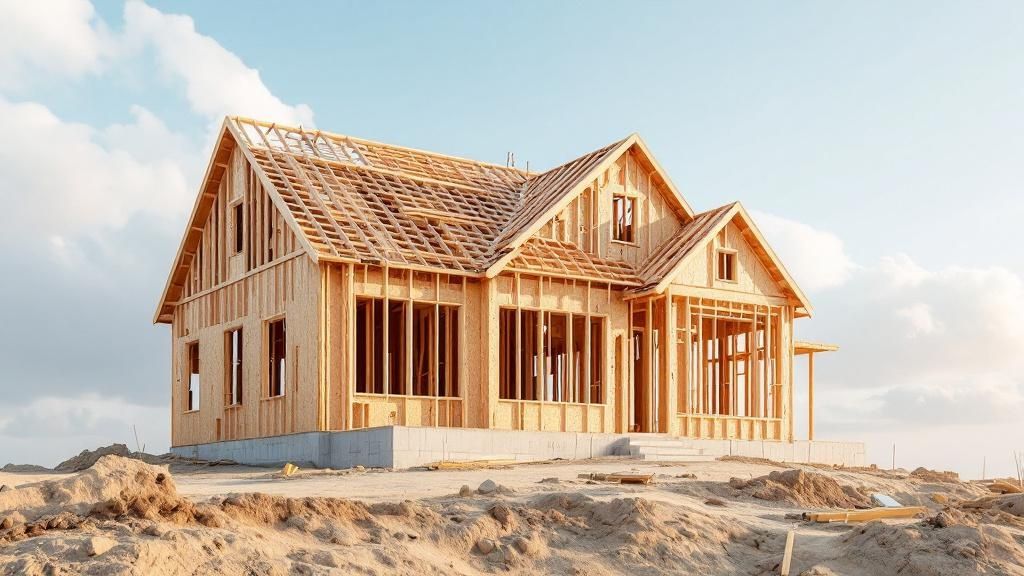
Before you commit to a floor plan for that new primary suite or sprawling family room, it's crucial to discuss numbers. A home addition isn't a single expense; it's a complex mix of cost categories. Any reliable home addition costs calculator must weigh them all to provide an accurate estimate.
Your final invoice will blend construction labor, building materials, architectural design fees, engineering, and local permits. Overlooking even one of these components can lead to unwelcome surprises.
Key Takeaway: Aldridge Construction advises clients to view their total budget like a pie. Construction (labor and materials) forms the largest slices, but smaller pieces for design, permits, and site prep are vital for holding the project together.
How Your Budget Is Typically Allocated
To provide a clearer picture, let's break down where the money usually goes. While every project is unique, most follow a similar financial roadmap. This is incredibly helpful for clients in both California and Arizona, as it highlights where regional price differences in labor and materials will have the most impact.
Getting a handle on this allocation removes the mystery from the finances and helps you plan with confidence. Whether you’re dreaming of spacious home additions in the Salinas Valley or a sleek extension in Scottsdale, understanding your investment is the first step toward a workable budget.
Here's a table that breaks down how your budget is likely to be divided across the project's major phases.
| Typical Home Addition Cost Allocation |
| :— | :— |
| Cost Category | Typical Budget Percentage |
| Site Work & Foundation | 10% – 15% |
| Framing & Exterior Finishes | 15% – 20% |
| Major Systems (Plumbing, Electrical, HVAC) | 10% – 15% |
| Interior Finishes (Drywall, Paint, Flooring) | 20% – 25% |
| Design, Permits, & Management | 10% – 15% |
| Contingency Fund (For the unexpected) | 10% – 15% |
As you can see, the physical structure and interior finishes consume the largest chunks of your budget. Equally important is the contingency fund—a non-negotiable part of any project managed by Aldridge Construction. Our goal is to provide this level of clarity from day one, so you can move forward with a solid financial plan.
Breaking Down Core Construction Expenses
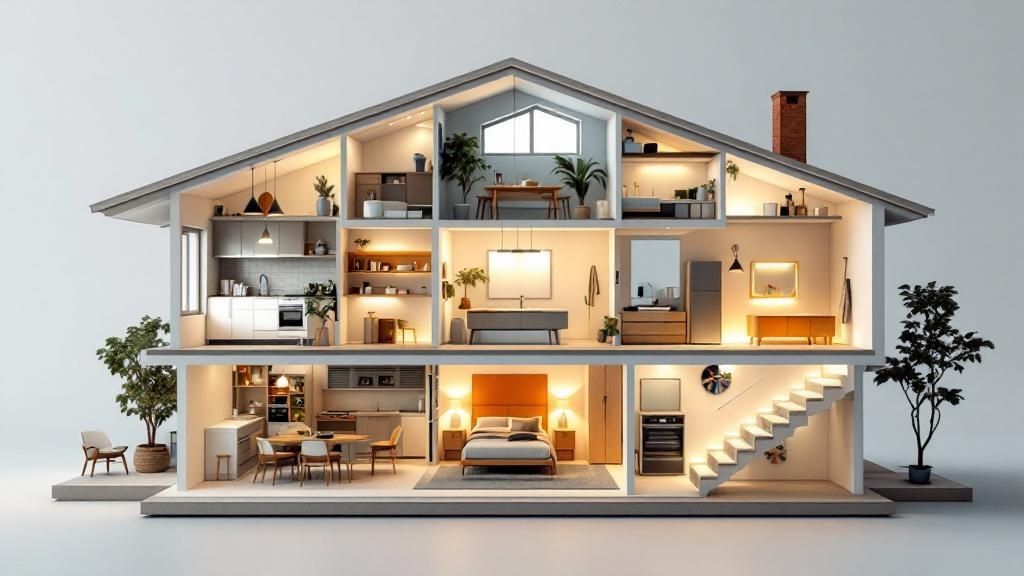
A home addition is a serious investment—one of the biggest you'll make in your property. When you use a home addition costs calculator, it helps to know what’s really driving the numbers. The largest slice of any project budget will always go to core construction expenses, the "bones" of your new space.
This is where your vision becomes a physical reality. We're talking about the non-negotiable work that creates a safe, durable, and compliant addition, from pouring the foundation to nailing the last shingle on the roof.
The Foundation and Framing
Every solid structure starts with a solid base. The foundation is the bedrock of your home addition. In places like Monterey and Santa Cruz Counties, unique soil conditions and seismic codes can dictate the type—and cost—of your foundation, whether it’s a standard slab-on-grade or a more involved raised foundation.
Once the foundation is set, the project moves to framing. This is the skeleton of your addition, giving shape to the walls, floors, and roof. Lumber is the main material here, and its price can be a wild card, shifting with market demand and directly impacting the budget.
Exterior Walls, Roofing, and Windows
With the frame up, the next job is creating a weather-tight shell. This involves installing exterior sheathing, weather barriers, siding, and roofing. The materials chosen here have a huge say in both the final cost and the addition's long-term durability.
- Siding: Your options range from budget-friendly vinyl to durable fiber cement or classic wood, each with its own price and maintenance schedule.
- Roofing: A standard asphalt shingle roof is cost-effective, but materials like standing-seam metal offer a modern aesthetic and longer lifespan at a higher upfront cost.
- Windows: Installing energy-efficient windows is essential for meeting California's Title 24 energy code. The cost gap between standard dual-pane vinyl windows and high-performance, aluminum-clad wood windows can easily run into the thousands.
Expert Insight: At Aldridge Construction, we stress the importance of the building envelope. Spending more on quality windows like Milgard, better insulation, and proper air sealing pays you back for years in lower utility bills. This is a big deal whether you’re in sunny Maricopa County, AZ, or the milder Central Coast.
How Labor and Materials Impact Your Estimate
The cost of your addition isn’t just about materials; it's also about the skilled people putting it together. The availability of experienced carpenters, electricians, and plumbers in your area directly influences labor rates. This is a key reason costs can differ in San Benito County compared to a major metro area.
According to the National Association of Home Builders (NAHB), finished lot costs, construction, financing, and overhead made up over 60% of a new home's price in 2022. This data underscores why a professional home addition costs calculator must use current market data to provide an accurate picture.
Getting a handle on these foundational expenses is the first step toward a productive conversation with your builder. It helps you make smart decisions on scope and materials, ensuring the final addition is everything you envisioned. To get a more detailed feel for how these pieces fit together, explore our comprehensive room addition cost calculator.
How Addition Type and Size Drive Your Budget
It’s no surprise that not all home additions are created equal, and their costs can swing wildly. Once you look past basic construction costs, the two factors that will really shape your budget are the type of addition you're planning and its overall size. These two pieces of information are the foundation for any good home addition costs calculator.
The scale of your project sets the baseline for everything that follows. A simple 100-square-foot "bump-out" to expand a dining room will, of course, cost far less than a full 800-square-foot second-story addition. More square footage means more of everything—more foundation, more lumber, more roofing, and more labor hours.
Building Up vs. Building Out
One of the first big decisions homeowners in places like Santa Cruz County have to make is whether to build "up" or "out." Building out with a ground-floor addition often feels simpler but is a major undertaking. It requires significant excavation, a new foundation, and eats into precious yard space.
On the other hand, building up with a second story saves your lawn but introduces serious structural hurdles. The existing home needs careful reinforcement to handle the immense weight of the new level, which is a significant engineering challenge.
Expert Insight: It’s a common myth that smaller additions are always cheaper per square foot. The reality seen on countless jobs is that the cost per square foot often decreases as the addition's size increases. This happens because fixed costs—like architectural plans, permits, and mobilization—get spread out over a larger area. For example, doubling an addition from 200 to 400 square feet might only increase the total price by a third, not double it.
The table below gives a general idea of how costs can differ between addition types in our main service areas. You'll notice that building "up" almost always carries a higher per-square-foot cost due to the extra structural work.
| Cost Per Square Foot by Addition Type (CA vs. AZ) |
| :— | :— | :— |
| Addition Type | Estimated Cost/SqFt (Monterey/Santa Cruz, CA) | Estimated Cost/SqFt (Maricopa County, AZ) |
| Basic Room Addition (Bedroom/Office) | $350 – $550 | $250 – $400 |
| Primary Suite (w/ Mid-Range Bathroom) | $500 – $750+ | $375 – $550+ |
| Kitchen Expansion (High-End Finishes) | $600 – $900+ | $450 – $700+ |
| Second Story Addition | $650 – $1,000+ | $500 – $800+ |
| Detached ADU (Accessory Dwelling Unit) | $450 – $700 | $350 – $550 |
As you can see, where you build makes a big difference, but the purpose of the room is just as important.
How Room Purpose Affects the Final Price
Beyond raw square footage, what you plan to do with the new space is a huge cost driver. A basic bedroom addition is relatively straightforward: framing, drywall, electrical, flooring, and paint.
But a primary suite with a spa-like bathroom is a different ballgame. The price climbs quickly because of:
- Complex Plumbing: Running new water supply and drain lines for sinks, a shower, and a toilet.
- Intricate Electrical: Requiring dedicated circuits for vanity lighting, powerful exhaust fans, and maybe even heated floors.
- Waterproofing & Tiling: Meticulous, labor-intensive work requiring specialists and specific materials.
- High-End Fixtures: The cost of faucets, showerheads, tubs, and vanities can range from a few hundred to many thousands of dollars.
A kitchen expansion is usually the most expensive addition per square foot for the same reasons. It blends complex plumbing and electrical with the high cost of custom cabinetry, stone countertops, and high-end appliances. These are critical details to think through when planning your custom home addition in Salinas.
Uncovering Soft Costs and Hidden Expenses

It’s easy to focus on tangible items like lumber, concrete, and windows. But some of the most critical expenses in a home addition are the ones you can’t see or touch. These are what the industry calls soft costs, covering the professional services, permits, and administrative work needed to get your project off the ground.
Many homeowners are caught off guard here. A basic online home addition costs calculator might provide a construction number, but it rarely factors in these essential services. These aren’t optional line items; they’re the backbone of a legal, safe, and well-designed project. Expect them to add another 10% to 20% on top of your direct construction budget.
Expert Insight: At Aldridge Construction, we treat soft costs with the same importance as lumber and concrete. They are the intellectual and regulatory framework of your project. A solid plan that includes these expenses is the best defense against budget overruns and project delays.
The Essential Pre-Construction Costs
Long before the first shovel hits the dirt, a team of professionals is needed to turn your idea into buildable, legally approved plans.
- Architectural Design Fees: An architect or designer translates your vision into functional blueprints, with fees ranging from $150 to over $250 per hour or a percentage of the total project cost.
- Structural Engineering Reports: This is non-negotiable. An engineer must verify the new structure is sound, especially in seismically active areas like Monterey and Santa Cruz Counties.
- Land & Site Surveys: Your local planning department will almost certainly demand an up-to-date survey showing property lines, easements, and topography.
- Soil Reports: Depending on your property's location, a geotechnical report may be needed to inform the foundation design.
Navigating Permits and Municipal Fees
Getting a building permit is a mandatory step, and the fees can be an eye-opener. The cost and complexity vary wildly between municipalities.
For instance, the permitting process in Monterey County, CA, can be demanding due to stringent local rules and state codes like Title 24. In contrast, while the process in Maricopa County, AZ, is still thorough, the requirements and fees are different. Aldridge Construction has extensive experience navigating these government offices, ensuring all paperwork is filed correctly to pass every required inspection.
Potential Hidden Expenses to Anticipate
Even with the best planning, other costs can emerge. A smart budget always includes a contingency fund for these financial curveballs.
- Temporary Housing: If a kitchen or primary living area is under construction, you might need to rent a place for a few weeks or months.
- Utility Connection Fees: Tapping into city water, sewer, or electrical grids can come with a one-time fee from the utility company.
- Increased Property Taxes: A major addition boosts your home's assessed value. This is great for your equity but means your annual property tax bill will go up.
How Finishes and Materials Shape Your Final Cost
The framing and foundation are the skeleton of your addition, but the finishes and materials are its heart and soul. This is where you transform a framed box into a beautiful, functional living space—and where your budget can really start to move. While a home addition costs calculator gives a baseline, your specific choices will cause the final numbers to swing dramatically.
This is the fun part, where your personal style meets the practical reality of your budget. These decisions truly customize the space and, by extension, the final price tag.
Exterior Selections That Drive Up Costs
The first layer of material choices happens on the outside. Creating a weather-tight, attractive envelope is non-negotiable, and your decisions here have long-term consequences.
For instance, standard architectural asphalt shingles are a durable, sensible choice for homes in Monterey or Maricopa County. But if you love the look of a standing-seam metal roof, which offers superior longevity and fire resistance, that single upgrade can easily double the roofing portion of your budget.
Windows are another major variable. High-quality vinyl windows meet energy codes and perform beautifully. However, upgrading to premium, aluminum-clad wood windows from a brand like Milgard or Andersen can add thousands to a project, an investment many homeowners find worthwhile for the superior aesthetic and performance.
Interior Finishes: The Heart of the Budget
Once inside, every surface represents a budget decision. From flooring to fixtures, these choices compound to make a significant financial impact. Here are a few common comparisons we walk clients through:
- Flooring: Luxury Vinyl Plank (LVP) is tough, water-resistant, and relatively budget-friendly. Traditional site-finished hardwood offers timeless beauty but comes with a higher upfront cost for materials and skilled labor.
- Countertops: In a kitchen or bathroom, countertops are a focal point. Upgrading from basic laminate to mid-range quartz or granite elevates the look but can increase the budget by 300% or more.
- Cabinetry: Options range from stock to semi-custom or fully custom. Custom work, like that often used in our home renovation and additions in Salinas and Monterey, delivers unparalleled quality but represents a significant investment.
- Fixtures: This category often sneaks up on people. It covers everything from lights and faucets to doorknobs and cabinet pulls. A designer faucet or high-end light fixture can cost ten times more than a builder-grade option.
Expert Insight: Aldridge Construction advises clients to categorize finishes into "must-haves" and "nice-to-haves." It makes sense to splurge on permanent items like quality windows or insulation. You can always upgrade a light fixture or repaint a room down the road.
Frequently Asked Questions (FAQs)
Planning a home addition brings up many questions. A good home addition costs calculator is a start, but most homeowners have deeper concerns. Below, Aldridge Construction answers the top five questions we hear.
1. How accurate are online home addition cost calculators?
Online calculators are a fantastic first step for getting a ballpark figure. However, they rely on generalized data and national averages. They cannot account for your specific property conditions, local permit fees in Santa Cruz vs. Maricopa County, or current material costs. For a reliable quote, an on-site consultation with an experienced contractor is essential to get a firm proposal based on your project.
2. How much value does a home addition add?
The return on investment (ROI) depends on the project type and your local real estate market. According to Remodeling Magazine's 2024 Cost vs. Value Report, a midrange bathroom addition can recoup up to 66.7% of its cost at resale. In a high-demand area like Monterey County, a well-designed addition that adds functional living space almost always provides substantial value.
3. Is it cheaper to build up or build out?
Generally, building up (a second story) has a higher cost per square foot than building out. This is due to the complex structural work needed to reinforce the existing foundation and walls. However, building out requires excavation, a new foundation, and eats up yard space, which may not be an option on smaller lots with setback restrictions.
4. How long does the permitting process take?
Permit timelines vary dramatically by municipality. In California counties like Monterey or Santa Cruz, the process can take several months due to strict building codes and environmental standards like Title 24. In Maricopa County, Arizona, the process might be quicker but remains a critical part of the project timeline. Aldridge Construction manages this entire process, leveraging our experience to ensure a smooth path forward.
5. What is the biggest factor in a home addition budget?
While many things influence the final cost, the two biggest drivers are always the size (total square footage) and the type of addition. A larger footprint requires more materials and labor. Similarly, a room with complex systems like a kitchen or bathroom will always cost more per square foot than a simple bedroom due to specialized plumbing, electrical, and ventilation needs.
Ready to turn your vision into a reality with a team you can trust? For a detailed, no-obligation consultation on your home addition project in Monterey, Santa Cruz, San Benito, or Maricopa County, contact Aldridge Construction today. Let's build your dream space, together.