
When you hear the word "renovation," what comes to mind? Many people think of a quick coat of paint and cheap fixtures to impress a future buyer. But what if you’re not planning to sell anytime soon?
Renovating for yourself is a smarter approach. It means you focus on your own enjoyment and long-term quality over fast, cosmetic fixes. This way, you create a home that makes your daily life better while building real value for the future.
Why Renovating for Yourself Is the Smartest Move
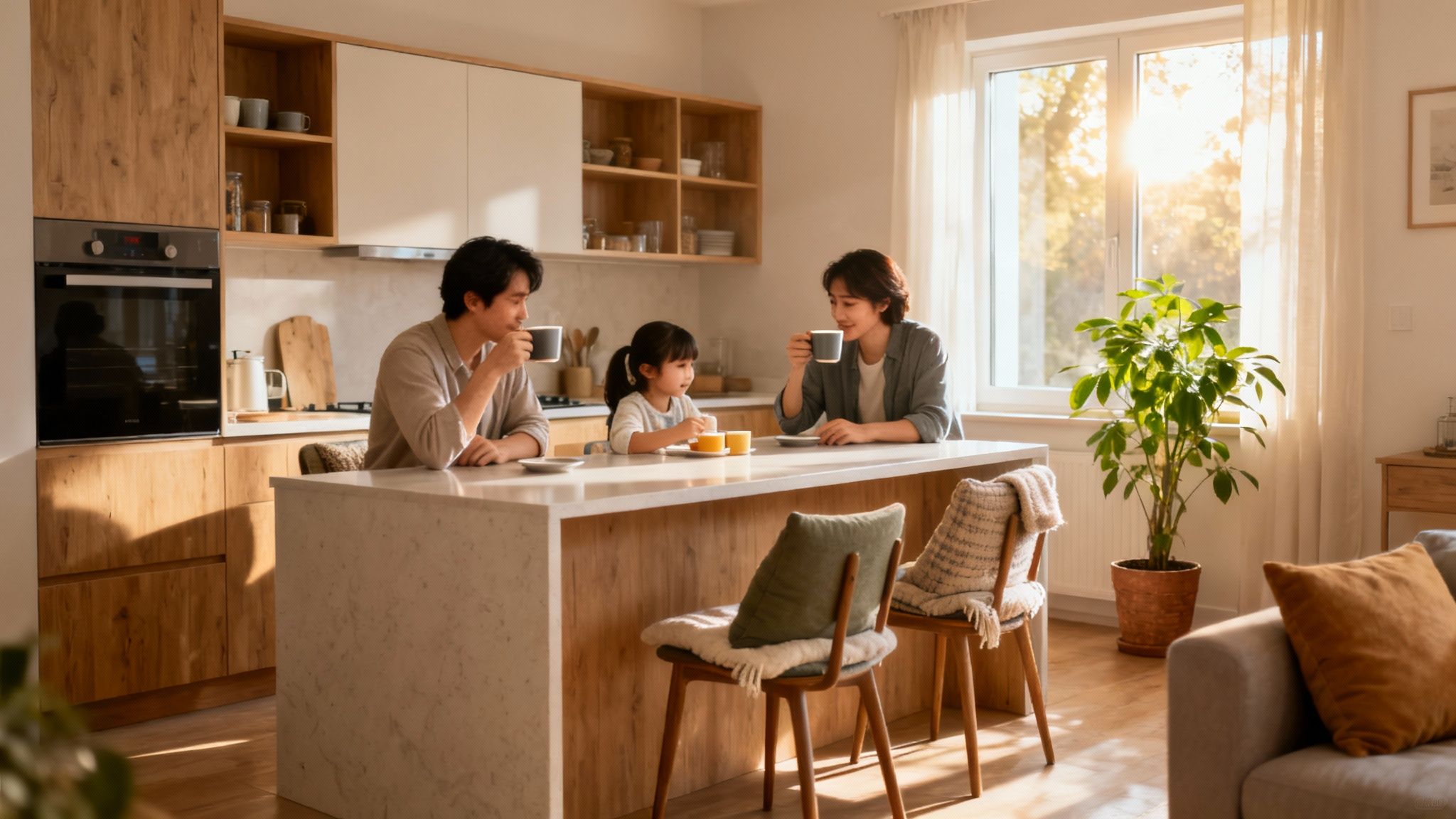
One of the first questions homeowners ask us is, “Is it even worth investing in a remodel if I’m not selling soon?” The answer is a strong yes. The housing market has changed, and so have homeowner goals.
With mortgage interest rates above 7%, moving is less appealing for many. In fact, 55% of U.S. homeowners now choose to renovate rather than relocate. This shows a shift from focusing on short-term resale value to long-term lifestyle investment.
The Shift from Resale to Livability
To renovate smart, not just to sell, you should make your home work for you. This means choosing upgrades that bring you joy and convenience today, while still paying off later.
What this means is remodeling can increase your day-to-day quality of life, while still boosting property value for the future — especially with energy-efficient upgrades. This is where you prioritize upgrades with dual value: comfort now + resale later.
We see this in projects like:
- Kitchen Remodels: Focusing on a smart workflow, durable materials like Quartz countertops, and good storage.
- Bathroom Updates: Creating a space that feels like a personal retreat with better lighting and modern fixtures.
- Energy-Efficient Improvements: Upgrading insulation and windows for comfort all year.
Renovating for yourself is strategic. You improve your daily life with smart upgrades that future buyers will also appreciate. It’s a true win-win.
So, how do the two approaches compare? Here’s a quick breakdown.
Comparing Renovation Priorities
| Focus Area | Typical Renovation for Resale | Typical Renovation for Living |
|---|---|---|
| Material Choice | Trendy, budget-friendly materials (e.g., laminate, vinyl tile) | Durable, high-quality materials (e.g., hardwood, quartz, natural stone) |
| Design Focus | Neutral colors, generic layouts to appeal to the masses | Personalized layouts, custom features that fit your lifestyle |
| Project Scope | Cosmetic updates (paint, new fixtures, refinishing floors) | Structural improvements (new windows, better insulation, HVAC upgrades) |
| Key Goal | Maximize immediate visual appeal for a quick sale | Enhance daily comfort, functionality, and long-term durability |
| Investment Horizon | Short-term ROI (Return on Investment) | Long-term ROL (Return on Lifestyle) and sustained equity |
The table makes it clear: renovating for yourself is about investing in quality and function that lasts.
Prioritizing Upgrades with Lasting Impact
When it comes to return on investment, energy-efficient renovations are at the top of the list. These improvements can cut utility bills by up to 25%, according to the U.S. Department of Energy. That's a huge selling point for any buyer, especially in areas like Monterey and San Benito Counties.
To truly renovate for yourself, the goal is to focus on improvements that offer the highest impact investment for your forever home. This isn't about trends; it’s about choosing quality that will serve you well for years.
Here at Aldridge Construction, we help homeowners across California and Arizona plan projects that improve daily life and build lasting value. Not sure where to start? Let’s walk through your space and find the upgrades with the most impact.
Identifying Upgrades That Enhance Your Daily Life

When you decide to renovate smart, not just to sell, your focus shifts. You move away from generic updates and toward projects that improve how you live. It’s about solving daily frustrations and bringing you real comfort.
For example, a bathroom remodel becomes a chance to create a personal spa that makes mornings calmer. Upgrading your home’s insulation isn’t just about energy savings; it's about creating a quieter, cozier home year-round.
Prioritizing High-Impact, Dual-Value Projects
The best renovations have dual value—they make your life better now and appeal to buyers later. Kitchens and bathrooms are classic examples because they are central to daily life. But thinking smart also means considering your local climate.
In coastal areas like Santa Cruz and Monterey County, high-efficiency Milgard windows do more than lower energy bills. They cut down on noise, protect furniture from UV rays, and stand up to salty air.
Meanwhile, for homeowners in Maricopa County, Arizona, heat-resistant materials are key. This could mean exterior paint that won’t fade or composite decking that won’t warp. These choices add to your home's strength and save you future headaches.
Beyond the Interior Walls
While kitchens and bathrooms get attention, don't forget your home's exterior. Curb appeal and a few outdoor upgrades can deliver a big return on investment.
A new garage door often yields one of the highest ROIs, sometimes recouping over 100% of its cost. Adding manufactured stone veneer or new siding can also provide an excellent return, instantly elevating your home’s look. [Remodeling Magazine, 2023]
These are high-impact, lower-cost projects that make a huge difference. You can read more about these impressive ROI figures and see how well exterior upgrades pay off.
Functional Upgrades for Everyday Living
Smart renovations also make your home more functional. These projects have a massive impact on your daily routine.
Consider these practical upgrades:
- Creating a Dedicated Home Office: A functional workspace adds value to your daily life.
- Improving Storage Solutions: Custom closets or a better pantry can eliminate clutter and make your home feel more spacious.
- Enhancing Outdoor Living Spaces: A deck or patio in places like Salinas or Monterey creates a valuable extension of your living area.
By focusing on projects that boost comfort, function, and durability, you create a home that truly serves you.
Weaving Smart Home Tech into Your Daily Life
Smart home technology is a practical tool for making your home more comfortable, efficient, and secure. When you're renovating for your own enjoyment, the goal is to install tech that offers real-world benefits.
Think of it this way: these upgrades simplify your daily routine. A smart thermostat can learn your schedule and adjust the A/C to save you money. Automated lighting can welcome you home when your hands are full.
More Than Just Gadgets
Smart technology is now a core part of a home's infrastructure, like plumbing or electrical systems. These features are becoming standard expectations in modern homes.
And when you do sell, these additions make your home more appealing to buyers who care about convenience and lower utility bills.
Industry data shows that practical smart features like security, lighting, and thermostats can add 3% to 5% to your property's value. You can learn more about how smart home automation increases property value.
Focusing on Practical Smart Upgrades
So, where should you invest? Prioritize technology that solves a daily problem or improves comfort and security. Avoid niche gadgets that may become outdated.
Here are a few high-impact smart home features:
- Smart Thermostats: Devices from brands like Nest or Ecobee can cut heating and cooling costs. They are especially valuable in the varied climates of coastal California and the Arizona desert.
- Integrated Security: A system with smart locks, doorbell cameras, and motion-activated lights delivers convenience and security.
- Smart Lighting: This lets you customize the mood of any room, boost security with schedules, and save energy.
By focusing on these practical tools, you make an investment that improves your lifestyle now while building long-term value.
How to Budget for Durability and Long-Term Value
When you renovate smart, not just to sell, your budget is a plan for investing in your home’s health and comfort. It’s a choice to fund the critical but unseen elements—the "bones" of your house—over trendy finishes.
This means prioritizing systems that protect your investment. Modern electrical wiring, updated plumbing, and good insulation may not be as exciting as a new kitchen island, but they provide safety and efficiency for decades.
Allocating Funds to the Bones of Your Home
Every renovation has tough budget choices. The key is to create a clear list of priorities. Essential structural and system upgrades always come first.
Think about it in terms of long-term impact:
- High Priority (Must-Haves): This covers anything related to safety and structure, like a new roof or updated electrical panels. These are non-negotiable.
- Medium Priority (Smart Upgrades): This focuses on performance and efficiency, such as high-quality windows and good insulation. They pay you back over time.
- Lower Priority (The Finishes): These are the visual elements, like paint colors and light fixtures. They are easier and cheaper to change later.
A common mistake is spending 80% of a budget on finishes that represent only 20% of the project's long-term value. Flip that thinking. Secure the foundation and systems first.
Climate-Specific Material Choices
Your budget must account for your local climate. In the damp air of Monterey and Santa Cruz, materials must resist moisture. This means choosing things like corrosion-resistant hardware.
In the intense heat of Maricopa County, Arizona, priorities are different. We focus on UV-resistant paints and windows that block solar heat.
Smart Budget Allocation Guide
This table helps you prioritize your renovation budget for the greatest long-term value.
| Priority Level | Project Category | Examples (e.g., Quartz countertops, Milgard windows) | Why It's a Smart Investment |
|---|---|---|---|
| High | Structural & Safety | New roof, foundation repair, updated electrical panel | Prevents catastrophic failure, ensures safety, protects the entire home investment. |
| High | Water Management | High-quality gutters, proper grading, sump pump | Protects the foundation and prevents costly water damage and mold issues. |
| Medium | Energy Efficiency | High-performance Milgard windows, robust insulation | Lowers utility bills for years to come, increases indoor comfort, and adds resale value. |
| Medium | Durable Exteriors | Fiber cement siding, composite decking | Withstands local climate conditions, reduces maintenance costs and frequency. |
| Low | Cosmetic Finishes | Quartz countertops, trendy light fixtures, paint | Important for aesthetics but easier and less expensive to update in the future. |
| Low | Landscaping | Elaborate flower beds, decorative stone paths | Enhances curb appeal but doesn't protect the core structure of the home. |
By prioritizing the "bones" of your home, you build lasting value.
This infographic also shows smart home tech that provides excellent long-term ROI.
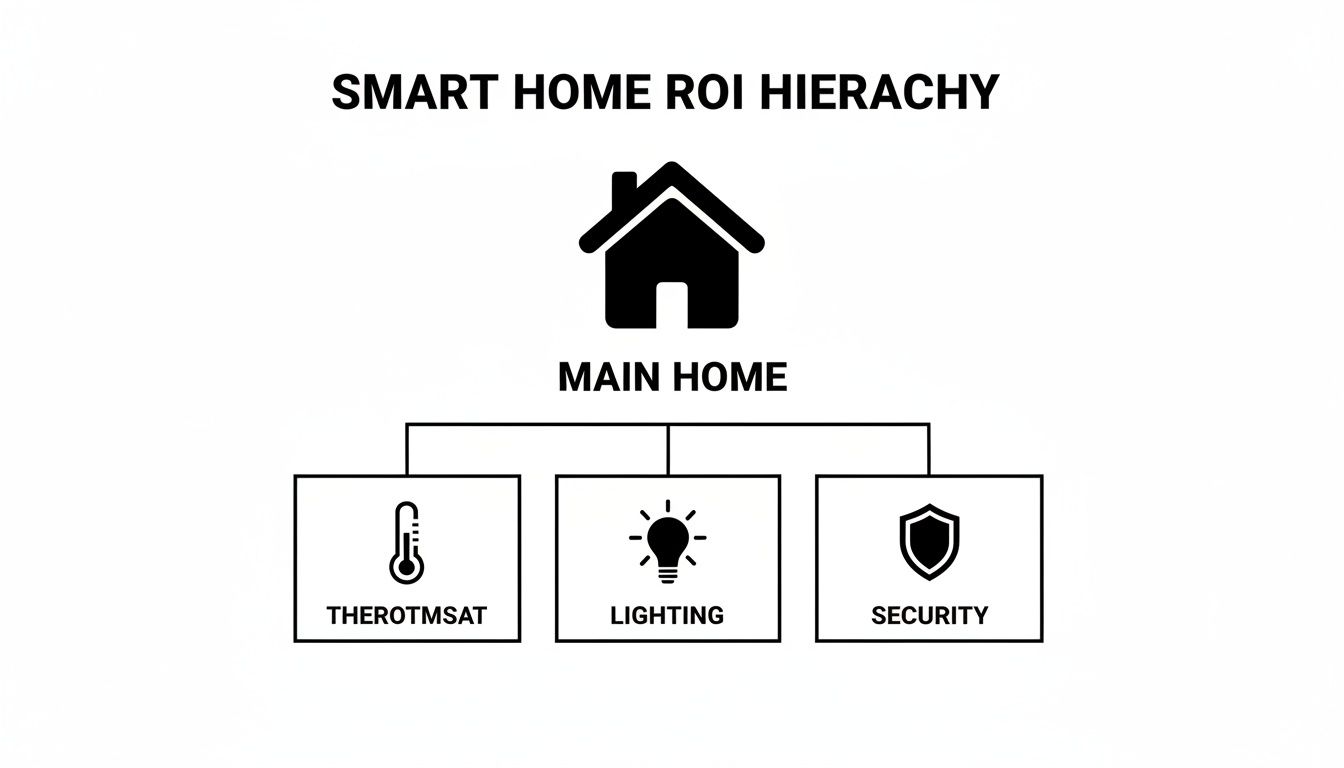
As the diagram shows, functional tech like smart thermostats, lighting, and security systems are key to a modern, efficient home.
A well-planned budget isn’t about limits; it’s about making smart choices that will serve you for years.
Finding a Contractor Who Shares Your Vision
This is the most important decision you will make. When you decide to renovate smart, not just to sell, you need a partner who understands you're building for your life, not for a quick flip.
The right contractor will guide you toward materials with long-term value. They will push back on trendy, cheap items that won't last. They treat your home with the same care they would use on their own.
Asking the Right Questions
Your questions need to go deeper than "Are you licensed and insured?" A good contractor will appreciate that you are asking about their approach to quality and durability.
The principles of learning how to hire a great electrician apply here too—it's all about checking for expertise and a commitment to quality.
Here are a few questions to ask:
- "How do you choose materials for our local climate?" This is key for homeowners in Monterey's salty air or Maricopa County's sun. A good answer will be specific.
- "Can you explain the long-term maintenance for these materials?" This shows if they are thinking about your life in the home years from now.
- "How do you handle changes once a project starts?" Their answer reveals their communication style.
- "Can you show me past projects where the goal was long-term living?" This helps you see if their work matches your goals.
Watch for red flags. A contractor who pushes for the cheapest options or isn't interested in your daily routines may have a "quick flip" mindset.
Your renovation is a huge investment. Finding a partner who understands and supports your vision is essential. The team at Aldridge Construction believes in building spaces that last and improve your daily life.
So, What’s the Next Move?
Let's sum it up. When you renovate for yourself, not just for a future buyer, you invest in your own happiness while building long-term home value. It's about shaping your home to work better for you.
Many homeowners wonder if a remodel is worth it if they aren't selling. But with 55% of U.S. homeowners now choosing to renovate instead of moving, it’s clear the focus has shifted from flipping to living.
Smart remodeling is a win-win. It improves your quality of life now and boosts property value for later. The key is to focus on upgrades with dual value: comfort today and a high return on investment tomorrow.
This means putting your energy into kitchens, bathrooms, or practical upgrades like better insulation or other Energy-Saving Home Improvements.
For homeowners in Monterey, Santa Cruz, San Benito, and Maricopa counties, the best next step is a conversation. Not sure what’s worth remodeling? Let’s walk your space and prioritize upgrades with impact.
Frequently Asked Questions About Smart Renovations
1. Which renovations add the most value and enjoyment?
Kitchen and bathroom remodels deliver the best of both worlds. A modern kitchen improves your daily life, while an updated bathroom can feel like a personal retreat. Focus on timeless design, like durable Quartz countertops and quality, energy-efficient appliances.
2. Should I spend money on "boring" upgrades like insulation?
Yes. Investing in your home's "bones" is one of the smartest moves you can make. Upgraded insulation, modern electrical wiring, and solid plumbing boost safety, lower energy bills, and help you avoid emergency repairs later.
3. Which smart home features are worth the investment?
Focus on smart features that provide clear, practical benefits. Smart thermostats (like a Nest or Ecobee), smart locks, and integrated security systems are excellent investments that make your life easier and are attractive to future buyers.
4. Is it better to do one huge remodel or smaller projects over time?
This depends on your budget and how much disruption you can handle. Creating a master plan and completing it in phases is often a great strategy. This approach lets you pay as you go and make thoughtful decisions at each stage.
5. How do I make sure my renovation choices won’t look dated in five years?
Focus on classic, high-quality foundational elements. Choose neutral colors and timeless styles for permanent fixtures like tile, countertops, and flooring. You can add trendy colors with paint, hardware, and decor, which are easier and cheaper to change later.
Not sure which upgrades will have the biggest impact on your home? Let’s walk the space together and figure out a plan. Contact Aldridge Construction today to start a conversation about your home in Monterey, Santa Cruz, San Benito, or Maricopa County. You can learn more about our process over at aldridgeconstruction.biz.