
Whether you are embarking on a custom home build in Monterey County, planning a major renovation in Santa Cruz, or developing property in Maricopa County, AZ, a thorough inspection is the foundation of a successful project. Overlooking a critical detail in the structural, electrical, or plumbing systems can lead to costly repairs, project delays, and significant safety hazards. A comprehensive building inspection checklist acts as your roadmap, ensuring every component of your property is systematically evaluated against industry standards and local building codes.
This guide provides a detailed, actionable checklist designed for homeowners, developers, and property investors in California and Arizona. We will break down the essential inspection points across eight critical areas, from the foundation to the roof. To effectively begin your building inspection process, it's beneficial to understand the broader scope covered by a modern construction inspection checklist. Using this structured approach helps you identify potential issues early, make informed decisions, and ensure your investment is safe, compliant, and built to last.
1. Foundation and Structural Assessment
A building’s long-term safety and stability rest entirely on its foundation. A thorough foundation and structural assessment is the critical first step in any comprehensive building inspection checklist, as it evaluates the core elements that support the entire structure. This process involves a detailed examination of concrete slabs, perimeter walls, support columns, and load-bearing beams to identify any signs of distress.
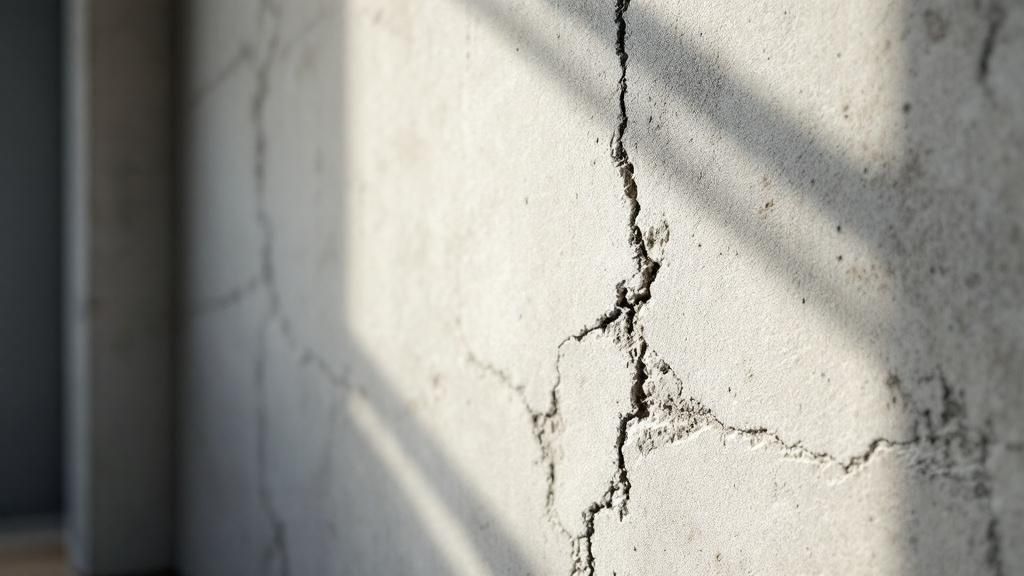
This evaluation is not just about looking for cracks; it's about understanding the type of crack and what it signifies. An inspector will differentiate between minor shrinkage cracks and significant structural fissures that could signal settlement issues. This is especially crucial in regions like Monterey and Santa Cruz counties, where varied soil types and seismic activity demand robust structural integrity compliant with California's strict building codes.
Key Foundation Inspection Points
- Foundation Walls and Slabs: Look for horizontal or stair-step cracks in concrete or masonry walls.
- Support Beams and Columns: Check for sagging, twisting, or any signs of termite damage or rot in wooden supports. Steel columns should be free of rust.
- Crawl Spaces and Basements: Assess for proper ventilation to prevent moisture buildup, which can degrade structural materials.
- Evidence of Movement: Look for sticking doors and windows, sloping floors, or drywall cracks extending from corners. For those undertaking major renovations, understanding these existing conditions is vital; you can find more information in this home remodel checklist.
Why It's a Priority
Ignoring foundation issues can lead to catastrophic failures and exponentially higher repair costs. Events like the post-Hurricane Andrew building code changes in Florida or California's stringent seismic requirements underscore the necessity of proactive structural assessments to ensure occupant safety.
2. Electrical System Evaluation
A building's electrical system is its central nervous system. A thorough electrical evaluation is a non-negotiable part of any building inspection checklist, as it verifies safety, functionality, and compliance with modern standards like the National Electrical Code (NEC). This process involves a detailed inspection of the main service panel, wiring, outlets, and safety devices.
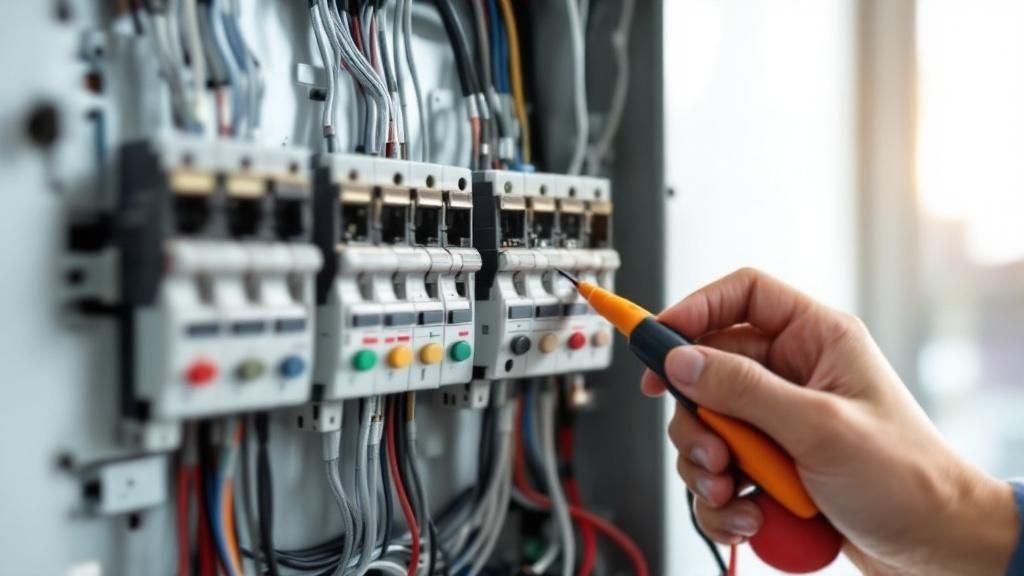
This evaluation involves checking for outdated components, such as aluminum wiring common in older homes, which requires special attention. An inspector will assess the main panel for proper labeling, look for signs of overheating, and test GFCI and AFCI outlets. This is especially important in Maricopa County, AZ, where high summer temperatures place immense strain on electrical systems running air conditioning units.
Key Electrical Inspection Points
- Main Electrical Panel: Verify that breakers are clearly labeled. Look for signs of scorching, rust, or buzzing sounds.
- Wiring: Check for exposed or damaged wiring. Identify the presence of outdated aluminum or knob-and-tube wiring.
- Outlets and Switches: Test all outlets for proper grounding and polarity. Check for any outlets or switch plates that are warm to the touch.
- Safety Devices: Ensure that Ground Fault Circuit Interrupter (GFCI) outlets are installed in wet locations like kitchens, bathrooms, and exteriors.
Why It's a Priority
A faulty electrical system is a leading cause of residential fires. The National Fire Protection Association (NFPA) reports that electrical failures or malfunctions were the second leading cause of U.S. home fires from 2015-2019 [NFPA, 2022]. Ignoring these standards endangers occupants and can void insurance policies.
3. Plumbing System Inspection
A functional and leak-free plumbing system is essential for a building's health. A plumbing system inspection is a methodical review of all water supply lines, drainage systems, fixtures, and water heating equipment. This process is designed to detect leaks, evaluate water pressure, and ensure code compliance.
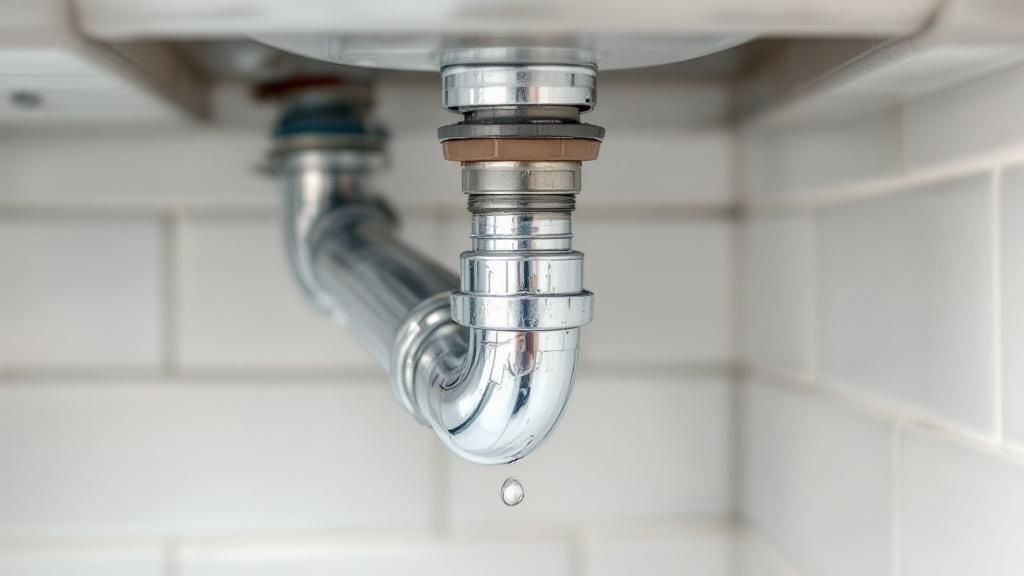
The inspection goes far beyond simply turning on a faucet. It involves a systematic check for subtle signs of failure, such as corrosion on pipes or low flow in drains. In areas like Monterey and Santa Cruz, where older homes are common, an inspector must identify outdated materials like galvanized pipes, which are prone to corrosion and reduced water flow.
Key Plumbing Inspection Points
- Water Supply Lines: Examine all visible pipes for signs of leaks or corrosion. Confirm that pipes are properly secured and insulated.
- Fixtures and Faucets: Test every sink, shower, and toilet. Check for adequate water pressure and proper draining.
- Drainage, Waste, and Vent (DWV) Systems: Ensure drains flow freely without gurgling, which can indicate a venting problem.
- Water Heater: Inspect the unit for its age, signs of rust or leaking, and proper installation of the temperature and pressure relief valve.
Why It's a Priority
Neglected plumbing issues can lead to significant water damage, mold growth, and costly structural repairs. Professional oversight is crucial for renovations and ongoing maintenance, and you can get expert help with your property management remodeling and repair needs.
4. HVAC System Performance Assessment
A building’s comfort, energy efficiency, and indoor air quality are directly managed by its heating, ventilation, and air conditioning (HVAC) system. An HVAC performance assessment is a non-negotiable part of a thorough building inspection checklist, verifying the safety, integrity, and efficiency of the equipment.

This evaluation goes beyond turning the system on and off. A professional will analyze system response, check for proper airflow, and inspect for deferred maintenance. This is vital in climates like Maricopa County, AZ, where a functioning AC is critical, and in coastal California regions where proper ventilation prevents moisture and mold. For homeowners, an HVAC preventative maintenance checklist can guide routine checks.
Key HVAC Inspection Points
- Equipment Condition and Age: Check the furnace, air handler, and condenser units for rust, leaks, or damage. Note the system's age to anticipate replacement.
- Ductwork Integrity: Inspect accessible ductwork for leaks, disconnected sections, or insufficient insulation.
- Filter and Airflow: Ensure air filters are clean and fit properly. Clogged filters restrict airflow and strain the system.
- Safety Controls: Test carbon monoxide detectors near fuel-burning appliances. Confirm proper clearances around equipment to prevent fire hazards.
Why It's a Priority
A malfunctioning HVAC system can pose serious health and safety risks. Regulatory standards like California's Title 24 exist to ensure these systems operate safely and efficiently. A trusted home improvement company can help integrate it into your project plan.
5. Roofing and Waterproofing Evaluation
The roof is a building's primary shield against the elements. A comprehensive roofing evaluation is a core component of any building inspection checklist, as it identifies the condition of materials, pinpoints potential leak sources, and estimates the remaining useful life.
This assessment involves a systematic review of all components that manage water. In areas with intense sun like Maricopa County, Arizona, an inspector will focus on UV degradation of materials. In the coastal climates of Monterey and Santa Cruz, the focus shifts to corrosion of metal components and moisture-related decay. For complex roof systems, consider insights from services specializing in specialized roofing inspections.
Key Roofing Inspection Points
- Roofing Materials: Look for curled, missing, or cracked shingles on asphalt roofs. For tile roofs, check for cracked or displaced tiles.
- Flashing and Penetrations: Verify that flashing around chimneys, vents, and skylights is secure and properly sealed.
- Drainage Systems: Inspect gutters and downspouts for blockages, rust, or improper slope, ensuring they channel water away from the foundation.
- Attic/Interior Spaces: Inspect the underside of the roof deck from the attic. Look for water stains or daylight, which indicate active leaks.
Why It's a Priority
A compromised roof can lead to extensive and costly secondary damage, including structural rot and mold. The National Roofing Contractors Association (NRCA) provides standards that highlight the importance of proactive maintenance to prevent minor issues from becoming major failures.
6. Fire Safety and Life Protection Systems
A building's ability to protect occupants during an emergency is paramount. An evaluation of fire safety and life protection systems is a non-negotiable part of any building inspection checklist. This step assesses systems designed to detect fires, suppress them, and provide clear escape routes.
This inspection involves verifying the functionality of an entire network of safety features. An inspector will test alarms, check sprinkler system pressure gauges, and walk egress routes to ensure they are unobstructed. For homeowners in areas like Monterey and Santa Cruz, where wildfire risk is a concern, these systems are a first line of defense.
Key Fire Safety Inspection Points
- Detection Systems: Test all smoke and carbon monoxide detectors. Ensure they are correctly placed, not expired, and have fresh batteries.
- Suppression Equipment: Verify fire extinguishers are fully charged and accessible. For buildings with sprinklers, check for corrosion or leaks.
- Egress Routes and Signage: Confirm that all exit doors open easily and are not blocked. Emergency lighting and exit signs must be functional.
- Documentation and Compliance: Review records of past inspections and ensure compliance with local fire codes, which vary between San Benito County, CA, and Maricopa County, AZ.
Why It's a Priority
Deficiencies in fire safety systems can have devastating consequences. Understanding these systems is also vital after an incident; you can learn more in this guide to the fire damage restoration process. A thorough check ensures these life-saving measures will work when needed.
7. Building Envelope and Insulation Assessment
A building’s energy efficiency is determined by its envelope—the physical barrier between the conditioned interior and the exterior. A building envelope and insulation assessment evaluates this shell, including walls, windows, doors, and roofing, to identify air leaks, moisture intrusion points, and thermal weaknesses.
This evaluation quantifies performance to pinpoint hidden energy loss. An inspector may use tools like thermal cameras to find precisely where air is infiltrating or insulation is failing. This is particularly important for homeowners in areas with diverse microclimates like Monterey and Santa Cruz counties, where a well-sealed envelope is key to controlling utility costs.
Key Building Envelope Inspection Points
- Air Sealing: Check for gaps and cracks around windows, doors, electrical outlets, and plumbing penetrations.
- Insulation Quality: Verify insulation is installed correctly without compression or gaps in walls, attics, and crawl spaces.
- Windows and Doors: Inspect the condition of weatherstripping and caulking. Ensure windows and doors close tightly to prevent drafts.
- Vapor and Moisture Barriers: Confirm vapor barriers are installed correctly for the climate and that the building has an effective weather-resistive barrier.
Why It's a Priority
A compromised building envelope leads directly to higher energy bills, poor indoor air quality, and potential mold growth. A thorough assessment creates a healthier, more comfortable living environment. When planning a sustainable renovation, learn more about high-performance green building materials.
8. Environmental Health and Safety Evaluation
A building's structural integrity is only part of ensuring it is safe; its environmental health is equally important. An environmental health and safety evaluation is a critical part of any building inspection checklist, designed to identify hidden hazards like asbestos, lead paint, radon, and mold.
This process involves specialized testing and knowledge of how these hazards manifest. An inspector will assess potential sources of contamination, from aging insulation and plumbing to inadequate ventilation. For homeowners in both coastal California and arid Arizona, understanding these risks is essential.
Key Environmental Safety Points
- Hazardous Materials: Test for asbestos in older insulation and flooring, and check for lead-based paint in homes built before 1978. The EPA's RRP Rule mandates lead-safe work practices for a reason.
- Radon Gas: Conduct testing for radon, a colorless, odorless radioactive gas that can seep in from the soil.
- Mold and Moisture Intrusion: Meticulously search for signs of water damage, leaks, or condensation. Visible mold or musty odors signal a deeper problem.
- Indoor Air Quality (IAQ): Evaluate the adequacy of the ventilation system, including proper exhaust in kitchens and bathrooms.
Why It's a Priority
Neglecting environmental hazards can lead to severe health problems. Regulatory bodies like the Environmental Protection Agency (EPA) have established strict guidelines to mitigate these risks. A thorough environmental evaluation is a non-negotiable step to protect the health of everyone inside the building.
Frequently Asked Questions (FAQs)
1. How often should a building inspection be performed?
For homeowners, a full inspection is recommended every 3-5 years to catch potential issues early. For commercial properties or rentals, annual checks of key systems like HVAC and fire safety are often required by local codes.
2. Can I do a building inspection myself?
While you can perform a visual walk-through to spot obvious issues, a professional inspection by a certified inspector is crucial. They have the specialized tools (like thermal cameras and moisture meters) and expertise to identify hidden problems in electrical, structural, and plumbing systems that a homeowner would miss.
3. What is the most critical item on a building inspection checklist?
While all items are important, the foundation and structural integrity are the most critical. Issues here can compromise the entire building's safety and are often the most expensive to repair.
4. How do inspection needs differ between Monterey, CA and Maricopa County, AZ?
In Monterey, inspections heavily focus on moisture intrusion, seismic readiness, and potential rot due to the coastal climate. In Maricopa County, the focus shifts to the performance of HVAC systems under extreme heat, sun damage to roofing materials like asphalt shingles, and electrical system capacity.
5. What happens if an inspection uncovers major problems?
If major issues are found, the inspector's report will provide details and often recommend further evaluation by a specialist (e.g., a structural engineer or licensed electrician). This allows you to get repair cost estimates and make informed decisions about your property.
Whether you're planning a new custom home in Santa Cruz County, a room addition in San Benito, or a comprehensive renovation in Monterey, a professional assessment is the foundation of a successful project. The team at Aldridge Construction uses this same meticulous approach to evaluate properties, ensuring every detail is accounted for before work begins. Contact Aldridge Construction today for an expert consultation and turn your vision into a safe, durable, and beautifully crafted reality.