
For homeowners in Monterey and Santa Cruz Counties, remodeling is about more than just looks. With energy costs rising and California’s environmental standards tightening, smart and sustainable investments are a practical priority. Choosing to future-proof your home is a smart financial move that makes your home more comfortable, boosts its value, and builds resilience for the future.
In high-cost areas like ours, every dollar counts. Homeowners want upgrades that reduce utility bills and last a long time. Green remodeling features like better insulation, solar-ready designs, and water-saving fixtures are in high demand. This trend is backed by data showing that homeowners are shifting from cosmetic remodels to functional, energy-efficient upgrades.
This guide will give you specific tips for our Central Coast climate. We will explore green upgrades that make sense in Monterey and Santa Cruz Counties. You will learn how to make your home more energy-efficient, water-wise, and resilient for the long term.
1. Solar Panel Installation with Battery Storage
Using California's sunshine is a great way to future-proof your home. With over 280 sunny days a year in our area, a solar panel system is a smart investment. These systems turn sunlight into electricity, cutting your reliance on the grid and PG&E.
Pairing solar panels with a battery, like a Tesla Powerwall, makes this upgrade even better. The battery stores extra energy for you to use at night or during a power outage. This gives you energy security during Public Safety Power Shutoffs (PSPS), which are common in wildfire season.
Why It Makes Sense for Monterey & Santa Cruz
Solar and battery systems offer long-term savings. One homeowner in Aptos cut their yearly electric bill from $3,200 to just $400 after installing a 7kW system with a Powerwall. During the 2020 CZU fires, many Santa Cruz homeowners with solar and batteries kept their power on.
This shows how a system can save you money and keep you safe.
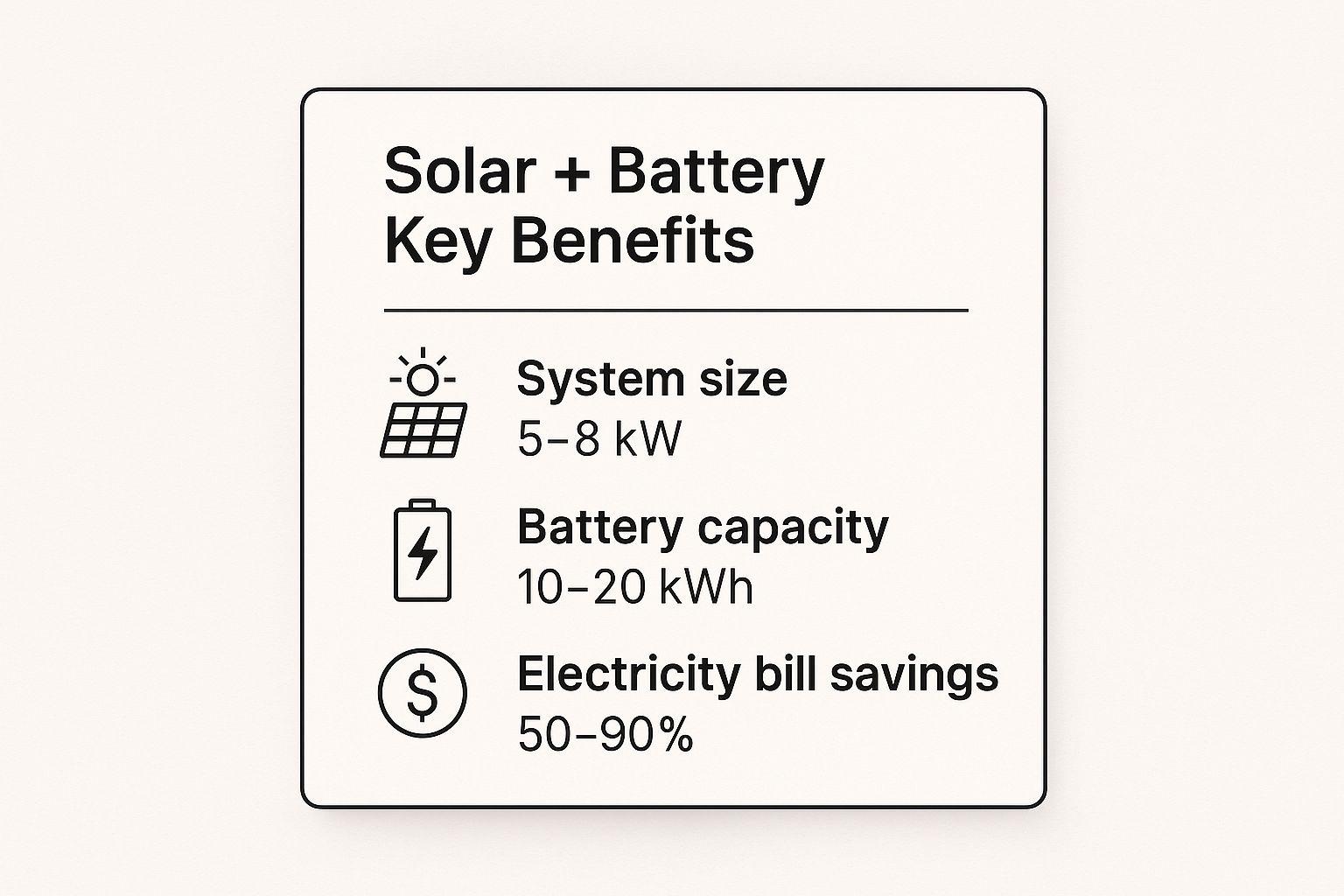
The data shows a mid-sized system can lead to big savings. It offers a good balance of upfront cost and long-term energy security.
Actionable Tips for a Successful Installation
To get the most from your investment, follow these steps:
- Get Multiple Quotes: Contact 3-5 certified solar installers. Prices can vary.
- Plan for the Future: If you plan to buy an electric vehicle (EV), consider making your solar system about 20% larger to meet future energy needs.
- Prepare Your Property: Trim trees that might shade the panels. Even a little shade can lower energy production.
- Check Credentials: Make sure your installer is certified by the North American Board of Certified Energy Practitioners (NABCEP).
- Start Permits Early: Getting permits in Santa Cruz County can take 8 to 12 weeks. Apply as soon as you choose a contractor.
2. High-Efficiency Heat Pump Systems
Moving away from natural gas is a key step to future-proof your home. High-efficiency heat pumps are a great all-in-one solution. They heat and cool your home by moving heat, not by burning fuel.
In the mild climate of Monterey and Santa Cruz, heat pumps work very efficiently all year. They are an ideal green upgrade, especially for older homes without ducts.
When you pair a heat pump with solar panels, you can heat and cool your home with clean energy you create yourself. This is becoming a standard feature in many remodels. Our home remodel checklist can help you plan for these upgrades.
Why It Makes Sense for Monterey & Santa Cruz
For local homeowners, the benefits are both financial and practical. A Victorian home in Pacific Grove switched to mini-split heat pumps. The owner got rid of their gas service and cut their total energy costs by 45%.
Switching to a heat pump aligns your home with local goals for sustainability. It can also qualify you for local rebates.
Actionable Tips for a Successful Installation
To get the most from your heat pump, follow these tips:
- Choose Certified Models: Pick an ENERGY STAR certified model for the best efficiency.
- Size Your System Correctly: Work with a professional to figure out the right size. A system that's too big or too small will waste energy.
- Prioritize Placement: For mini-splits, install indoor units in your main living areas first to get the most comfort.
- Check for Rebates: Look for incentives from programs like BayREN and TECH Clean California to lower your cost.
- Consider Sound Levels: Check the decibel (dB) rating of the outdoor unit to make sure it's quiet.
- Plan for Maintenance: Clean the filters on your indoor units every month during peak seasons.
3. Smart Irrigation and Drought-Tolerant Landscaping
Replacing a thirsty lawn with water-efficient landscaping is a key green upgrade for our area. This involves using California native plants and smart irrigation systems. With frequent droughts, this upgrade saves a lot of water and money.
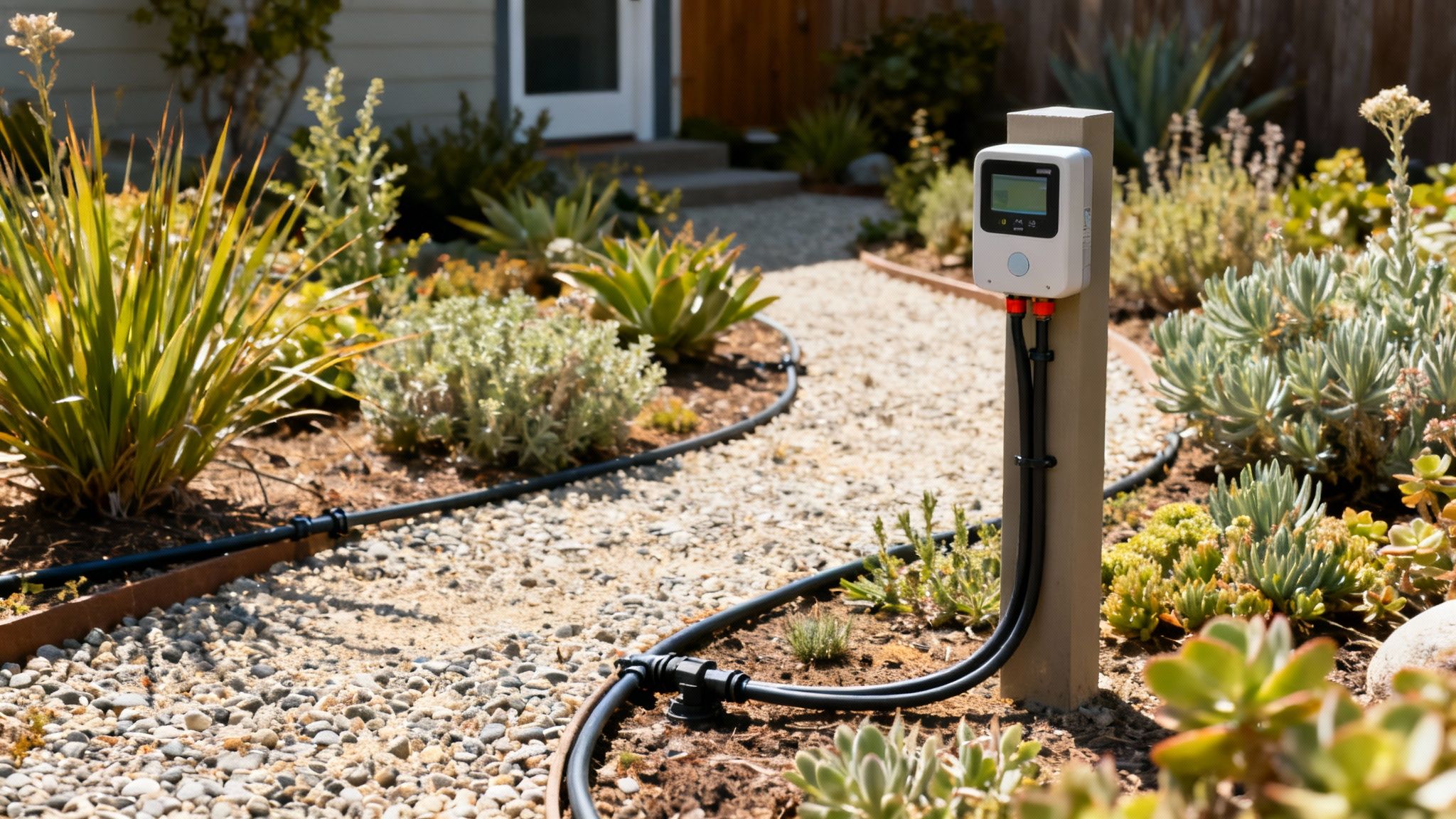
Smart systems can cut your outdoor water use by 30-50%. You can also look into drought-tolerant grass alternatives for a green look without the high water use. This is a powerful way to future-proof your home against rising water costs.
Why It Makes Sense for Monterey & Santa Cruz
Water conservation is a top priority for local agencies. They often give rebates to help homeowners make the switch. For example, the Scotts Valley Water District has offered rebates of $2 per square foot for lawn removal.
A homeowner in Salinas removed a 1,200 sq. ft. lawn and put in native plants with drip irrigation. Their monthly water bill fell from $180 to just $65.
Actionable Tips for a Successful Installation
To create a beautiful, low-water landscape, follow these steps:
- Apply for Rebates First: Most local water agencies require you to get pre-approval before you remove your lawn.
- Group Plants by Water Needs: Plant species with similar water needs together. This prevents over or under-watering.
- Use a Thick Layer of Mulch: Put 3-4 inches of organic mulch around your plants to hold in moisture and stop weeds.
- Choose Local Native Plants: Pick plants native to our area. They are best adapted to our soil and climate.
- Plan for Runoff: Use features like rain gardens or permeable paths to capture rainwater. Planning is key to any successful home improvement project in Monterey.
4. Advanced Insulation and Air Sealing
A lot of your home’s energy is spent heating and cooling air that escapes through cracks and poor insulation. Advanced insulation and air sealing stop this energy loss. This upgrade creates a tight seal, keeping your home warmer in winter and cooler in summer.
Many older homes in our area don't have enough insulation. Modern materials like spray foam or blown-in cellulose can dramatically improve comfort and cut energy bills. This is a basic step in making your home more efficient and is one of the key green upgrades that make sense in Monterey and Santa Cruz counties.
Why It Makes Sense for Monterey & Santa Cruz
This upgrade gives a great return on investment by cutting heating and cooling costs. A 1960s home in Aptos upgraded its attic insulation and saw heating costs drop by 35%. A project to seal air leaks in a Santa Cruz home cut overall air leakage by 40%.
These improvements help homeowners save money and feel more comfortable. You can learn more in your guide to green construction materials on aldridgeconstruction.biz.
Actionable Tips for a Successful Installation
To get the most benefit from insulation and air sealing, use this strategy:
- Start with an Energy Audit: Schedule an audit to find your home’s biggest air leaks and insulation gaps.
- Air Seal First, Insulate Second: Always seal air leaks before adding new insulation. It's like zipping your coat before going outside.
- Prioritize the Attic: Your attic is often the biggest source of heat loss. Upgrading attic insulation usually gives the best return.
- Seal and Insulate Ductwork: Leaky ducts in attics or crawlspaces waste a lot of energy.
- Address Small Gaps: Use foam gaskets behind outlets and switches on outside walls to stop small drafts.
- Use Recycled Materials: Consider dense-pack cellulose for walls. It is an effective insulator made from recycled paper.
- Schedule Work for the Dry Season: Plan your project for drier months to avoid trapping moisture, which can cause mold.
5. Energy-Efficient Windows and Doors
Upgrading your windows and doors is a basic step toward an energy-efficient home. High-performance windows act as a thermal barrier, reducing heat transfer. This keeps your home warm on foggy mornings and cool on sunny afternoons.
For our coastal climate, dual-pane windows are the ideal choice. They block unwanted heat in the summer but let in warmth during cooler months. New windows also reduce noise, which is great for homes near busy roads. This upgrade boosts both efficiency and property value, impacting your home renovation return on investment.
Why It Makes Sense for Monterey & Santa Cruz
Drafty, single-pane windows are a major source of energy loss. A beach cottage owner in Capitola replaced their old windows and saw a 28% drop in heating costs. They also got rid of condensation problems.
A Santa Cruz mountain home installed triple-pane windows on its cooler north-facing side. This greatly improved comfort in the master bedroom in winter. These upgrades address our region's climate challenges.
Actionable Tips for a Successful Installation
To get the most from new windows and doors, follow these steps:
- Prioritize Placement: Start by replacing windows on the north and west sides of your home for the best energy savings.
- Check Certifications: Only choose products certified by the NFRC (National Fenestration Rating Council).
- Get Multiple Quotes: Contact at least three qualified installers, like Andersen, Pella, or trusted local companies.
- Schedule Smartly: Plan your installation during the dry season, from May to October, to avoid moisture issues.
- Inspect the Work: After installation, check the frames and seals for any gaps.
- Add Insulated Shades: For extra efficiency, install insulated cellular shades to reduce heat loss.
6. Electric Vehicle Charging Infrastructure
Installing an electric vehicle (EV) charging station is a key step to future-proof your home. California will require all new cars sold to be zero-emission by 2035. A Level 2 (240-volt) home charger offers fast and cheap overnight charging.
Home charging is becoming an expected feature in Monterey and Santa Cruz Counties. It adds value to your property. When paired with solar panels, you can power your car with clean energy you make yourself.
Why It Makes Sense for Monterey & Santa Cruz
High gas prices and a focus on the environment make home EV charging a popular upgrade here. An Aptos homeowner with a Tesla Model 3 and solar panels reported saving $2,400 a year on gas. A Santa Cruz couple scheduled their charging for off-peak hours to save hundreds of dollars annually.
When planning your setup, it's important to understand EV charging compatibility standards. This ensures your charger will work with your current and future cars.
Actionable Tips for a Successful Installation
To create an efficient charging setup, follow these steps:
- Plan Your Location: Install your charger near your home’s main electrical panel to save on wiring costs.
- Choose the Right Circuit: Use a 50 or 60-amp circuit. This gives you faster charging and prepares you for future needs.
- Select a Reliable Charger: Consider top-rated models like the ChargePoint Home Flex or JuiceBox.
- Enroll in an EV Rate Plan: Switch to PG&E's EV2-A rate plan for the lowest electricity rates for overnight charging.
- Integrate with Solar: If you're getting solar panels, make sure the system is big enough to handle the extra demand from your EV.
7. Rainwater Harvesting and Greywater Systems
With California's droughts and rising water costs, saving every drop is crucial. Rainwater harvesting and greywater recycling are two great ways to create an independent water source for your landscape. These systems cut your reliance on city water and lower your bills.
Rainwater harvesting collects runoff from your roof in tanks. Greywater systems recycle used water from showers and washing machines for irrigation. A 2,000 sq. ft. roof in Santa Cruz can capture over 25,000 gallons of water a year.
Why It Makes Sense for Monterey & Santa Cruz
These water-saving upgrades have real benefits in our area. A homeowner in Bonny Doon installed a rainwater system that now provides all their irrigation water for the dry season. A Santa Cruz homeowner used a simple greywater system to water fruit trees, saving nearly $400 a year on their water bill.
These systems make your home more self-sufficient. For more ideas, you can review home renovation tips from Aldridge Construction.
Actionable Tips for a Successful Installation
To make your water collection system safe and effective, follow these steps:
- Start Simple: A laundry-to-landscape greywater system is a great starting point. It's cheap and doesn't usually need a permit in California.
- Size Your Tanks Correctly: Install rainwater tanks that are big enough to capture runoff from a typical storm.
- Install a First-Flush Diverter: This device gets rid of the first few gallons of runoff, keeping the water in your tank cleaner.
- Use Greywater-Safe Products: Switch to biodegradable soaps that are safe for your plants.
- Check for Rebates First: Many local water districts offer rebates, but you often need to apply before you start.
- Prevent Mosquitoes: Cover all tank openings with fine mesh screens to stop mosquitoes from breeding.
8. Smart Home Energy Management Systems
A truly future-proof home is not just efficient; it's smart. Smart home energy management systems connect your thermostats, lights, and appliances into one platform. These systems learn your family's habits and adjust to save energy automatically.
For residents in Monterey and Santa Cruz Counties with solar panels, a smart system can unlock big savings. It can manage when your appliances run or when your EV charges to cut electricity costs by 15-30% more. This technology turns your home into an active, efficient system.
Why It Makes Sense for Monterey & Santa Cruz
Smart energy management offers convenience and savings. A Carmel smart home with an Ecobee thermostat automatically adjusts for foggy mornings and sunny afternoons. A Santa Cruz homeowner used a smart system with their Tesla Powerwall to save an extra $800 a year by using battery power during peak hours.
These systems can also help you find and stop "vampire loads" from devices on standby. An Aptos family used a Sense energy monitor to cut their total electricity use by 27%.
Actionable Tips for a Successful Installation
To build an effective smart home system, follow these steps:
- Start with a Smart Thermostat: A device like the Google Nest or Ecobee provides the biggest immediate savings.
- Add a Whole-Home Energy Monitor: Install a monitor like Sense in your electrical panel to track your energy use.
- Upgrade Lighting Strategically: Start by replacing the most-used lights with smart LEDs.
- Use Smart Plugs for Hidden Loads: Connect electronics to smart plugs to cut power to them when not in use.
- Program "Away" Routines: Create a single command that turns off lights and adjusts the thermostat when you leave.
- Optimize for Time-of-Use Rates: Schedule your dishwasher and laundry to run outside of the 4-9 p.m. peak-rate window.
- Choose Matter-Compatible Devices: Look for the Matter logo to make sure your smart devices will work together in the future.
Green Home Upgrades Comparison for Monterey & Santa Cruz
| Item | Implementation Complexity 🔄 | Resource Requirements ⚡ | Expected Outcomes 📊 | Ideal Use Cases 💡 | Key Advantages ⭐ |
|---|---|---|---|---|---|
| Solar Panel Installation with Battery Storage | High (permits, roof prep, batteries) | High (up to $45,000, tech installation) | Large energy bill reductions (50-90%), energy independence | Homes with high electricity use, wildfire-prone areas | Major bill savings, power backup, carbon reduction |
| High-Efficiency Heat Pump Systems | Medium (electric upgrades, programming) | Moderate ($8,000-$15,000 installation) | Efficient heating/cooling (300-400%), lower gas reliance | Mild climate homes, no existing ductwork | Dual heating & cooling, rebates, emissions cut |
| Smart Irrigation & Drought-Tolerant Landscaping | Medium (system design, plant selection) | Low to moderate ($2,000-$8,000) | Water savings (30-70%), lower bills | Properties facing drought, outdoor water conservation | Significant water & bill savings, native habitat support |
| Advanced Insulation and Air Sealing | Medium (access, testing, installation) | Moderate ($2,000-$8,000) | Heating/cooling cost reduction (15-40%), comfort improved | Older homes, drafty or inefficient buildings | Energy cost savings, improved comfort, mold prevention |
| Energy-Efficient Windows and Doors | High (multiple windows, disruption) | High ($8,000-$20,000 full install) | Energy savings (12-25%), noise reduction | Coastal homes, noise-sensitive locations | UV protection, energy bill reduction, home value |
| Electric Vehicle Charging Infrastructure | Low to medium (electrical work) | Moderate ($800-$6,500 with upgrades) | Faster charging, reduced fuel costs | EV owners, future-proofing homes | Convenience, cost savings, increased property value |
| Rainwater Harvesting & Greywater Systems | Medium (plumbing, tanks, maintenance) | Low to high ($1,500-$10,000) | Water bill savings (30-60%), drought resilience | Water-restricted areas, sustainable landscaping | Water independence, reduced runoff, rebates |
| Smart Home Energy Management Systems | Medium (device integration, setup) | Low to moderate ($500-$3,000) | Energy savings (15-30%), real-time control | Homes with solar, multiple smart devices | Optimizes usage, convenience, detailed insights |
Your Next Step Toward a Greener, Smarter Central Coast Home
We've explored the best upgrades to make your home more resilient, efficient, and valuable. From solar power to high-efficiency heat pumps, each improvement can lower your utility bills. The key is to make smart choices that fit our Central Coast climate.
We covered insulation, air sealing, and new windows to keep your home comfortable. We also discussed smart water use, which is vital in California. These upgrades are investments in your home's future.
Key Takeaways for Your Monterey or Santa Cruz County Home
As you plan, remember these key points. The process to future-proof your home with green upgrades that make sense in Monterey and Santa Cruz Counties is built on smart decisions.
- Energy Independence is a Practical Goal: Solar panels with battery storage are a practical solution to rising energy costs and power outages.
- Efficiency is the First Step: Before you make power, use less of it. Upgrades like heat pumps and better insulation create an efficient home, so you need less energy to be comfortable.
- Water is a Precious Resource: Smart irrigation and native plants are essential for responsible homeowners in our area.
- Prepare for the Future of Transportation: An EV charging station is a smart move that adds value and convenience as more people switch to electric cars.
From Planning to Action: Making It Happen
The journey to a sustainable home starts with a plan. Begin by finding your home’s biggest weaknesses. A professional home energy audit can give you a roadmap for where to invest.
Next, prioritize projects based on your budget and potential return on investment. Many of these upgrades qualify for tax credits or local rebates. These incentives can lower the upfront cost.
A sustainable home is good for the planet and the people who live in it. These upgrades improve your daily life and build lasting value in your property.
Frequently Asked Questions (FAQs)
1. What is the most cost-effective green upgrade for a home in Monterey County?
Advanced insulation and air sealing often provide the quickest return on investment. They can reduce heating and cooling costs by 15-40% for a moderate upfront cost, according to the U.S. Department of Energy. This is especially true for older homes common in our area.
2. Are there local rebates for installing a heat pump in Santa Cruz County?
Yes. Homeowners in Santa Cruz County can often access rebates through programs like Central Coast Community Energy (3CE) and the statewide TECH Clean California program. These incentives can significantly lower the installation cost of high-efficiency heat pumps.
3. How much can I really save with solar panels and a battery?
Savings depend on your energy use and system size. However, many local homeowners reduce their electricity bills by 50-90%. A battery adds resilience, providing backup power during outages, which is a major benefit during wildfire season.
4. Is it difficult to switch to drought-tolerant landscaping?
The process requires planning, but many local resources can help. Nurseries specializing in native plants and landscape designers can guide you. Also, local water districts often provide rebates for lawn removal, which can offset the cost.
5. Do I need a permit to install an EV charger at my home?
Yes, in both Monterey and Santa Cruz Counties, installing a Level 2 (240-volt) EV charger requires an electrical permit. This ensures the installation is done safely and up to code by a qualified electrician. Aldridge Construction can manage this permitting process for you.
Ready to transform your vision into a reality? The team at Aldridge Construction helps homeowners in Monterey, Santa Cruz, and San Benito Counties create sustainable, future-ready homes. Visit our website at Aldridge Construction or call us today to schedule a consultation and start building a smarter, greener future.