
Walk through any neighborhood from Santa Cruz to Salinas, and you'll notice a quiet transformation happening in backyards. Accessory Dwelling Units (ADUs), often called granny flats or in-law suites, are reshaping how homeowners think about their property. With housing costs at an all-time high, homeowners are using ADUs to increase livable space, support aging family members, or generate rental income — all without leaving their property.
This guide explores the five key drivers behind this trend, covering everything from income to in-laws: 5 reasons ADUs are on the rise across Monterey Bay. You'll learn how recent changes in state law have made building an ADU simpler than ever. For homeowners in Monterey, Santa Cruz, and San Benito Counties, understanding this shift is the first step toward unlocking your property's potential.
1. Income Opportunities & Rental Revenue
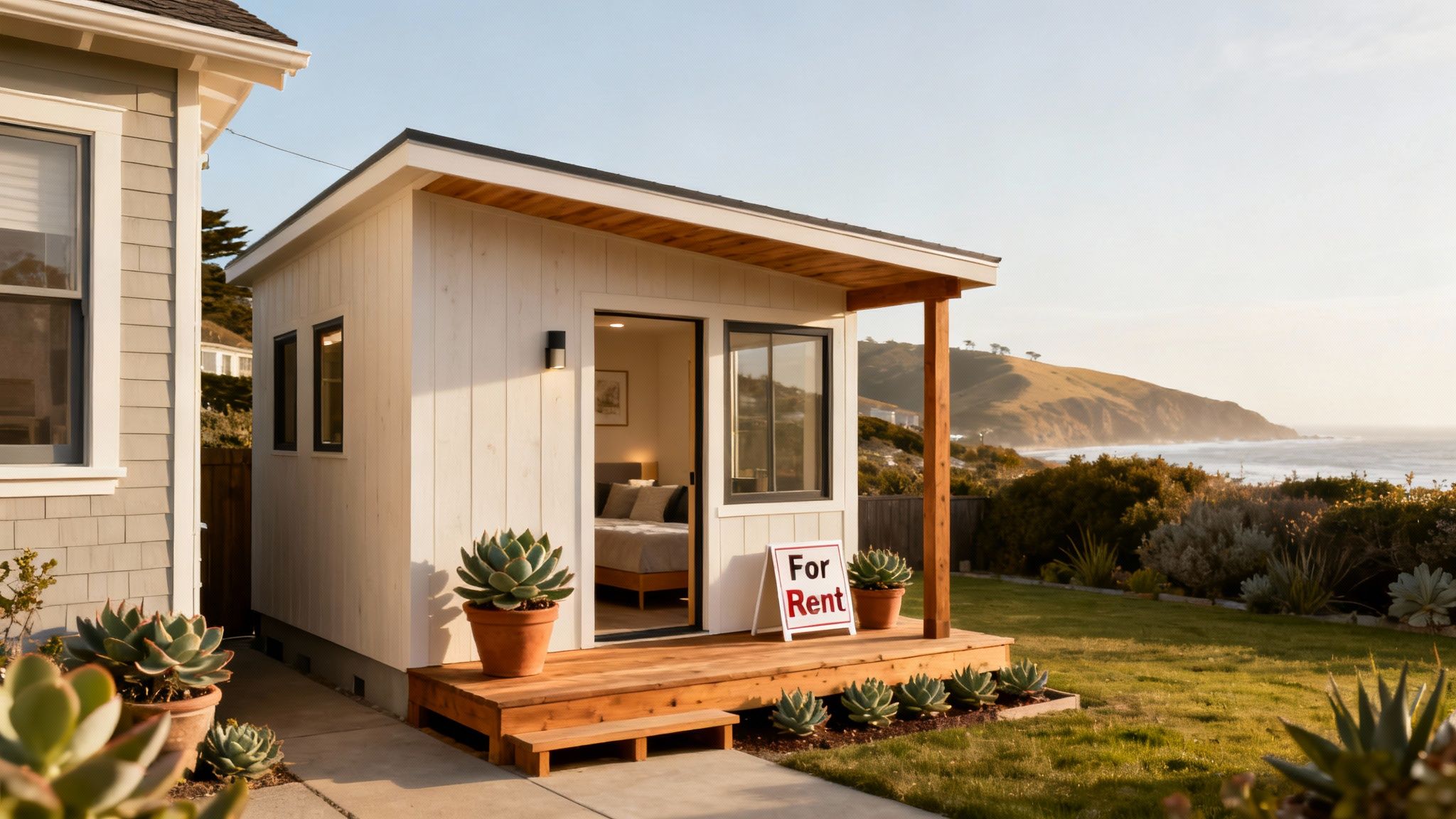
One of the most compelling reasons ADUs are on the rise across Monterey Bay is the financial benefit. An ADU transforms an underused part of your property into a consistent revenue-generating asset.
This new income stream can be a powerful tool for financial stability. It can help offset mortgage payments, cover property taxes, or build savings. The high demand for housing in areas like Santa Cruz and Monterey ensures that well-designed ADUs are rarely vacant.
Real-World Earning Potential in Monterey Bay
The numbers speak for themselves. Across the region, property owners are seeing substantial returns on their ADU investments.
- Garage Conversions: A common project is converting a garage into a one or two-bedroom unit. In cities like Monterey, these units can generate $1,800 to $2,200 per month.
- Detached ADUs: In coastal communities like Pacific Grove, new detached backyard cottages are highly sought after. These units often command rents from $2,000 to $2,500 per month or more.
- Creative Financial Strategies: Some Santa Cruz property owners use ADU rental income to directly support aging parents living in the main residence.
This cash flow provides immediate financial relief and contributes to the property's long-term value. You can learn more about the cost to build an ADU in Monterey Bay.
Actionable Steps for Landlords
To successfully turn your ADU into a rental, careful planning is crucial.
- Research the Market: Analyze local rental rates on platforms like Zillow to set a competitive price.
- Know the Rules: Ensure your ADU design meets all local zoning and building codes. Also, check rules for short-term rentals versus long-term leases.
- Screen Tenants Thoroughly: Use a clear and legal screening process that includes background checks and credit reports to find reliable tenants.
- Streamline Your Management: The latest top property management apps can help you collect rent and track expenses.
- Create a Maintenance Fund: Set aside a portion of your monthly rental income for future repairs and maintenance.
2. Multigenerational Living & Family Support
A powerful driver behind the ADU boom is the need for flexible multigenerational living. An ADU offers the perfect solution to keep loved ones close while preserving independence. This trend addresses the pressures of high housing costs and an aging population.
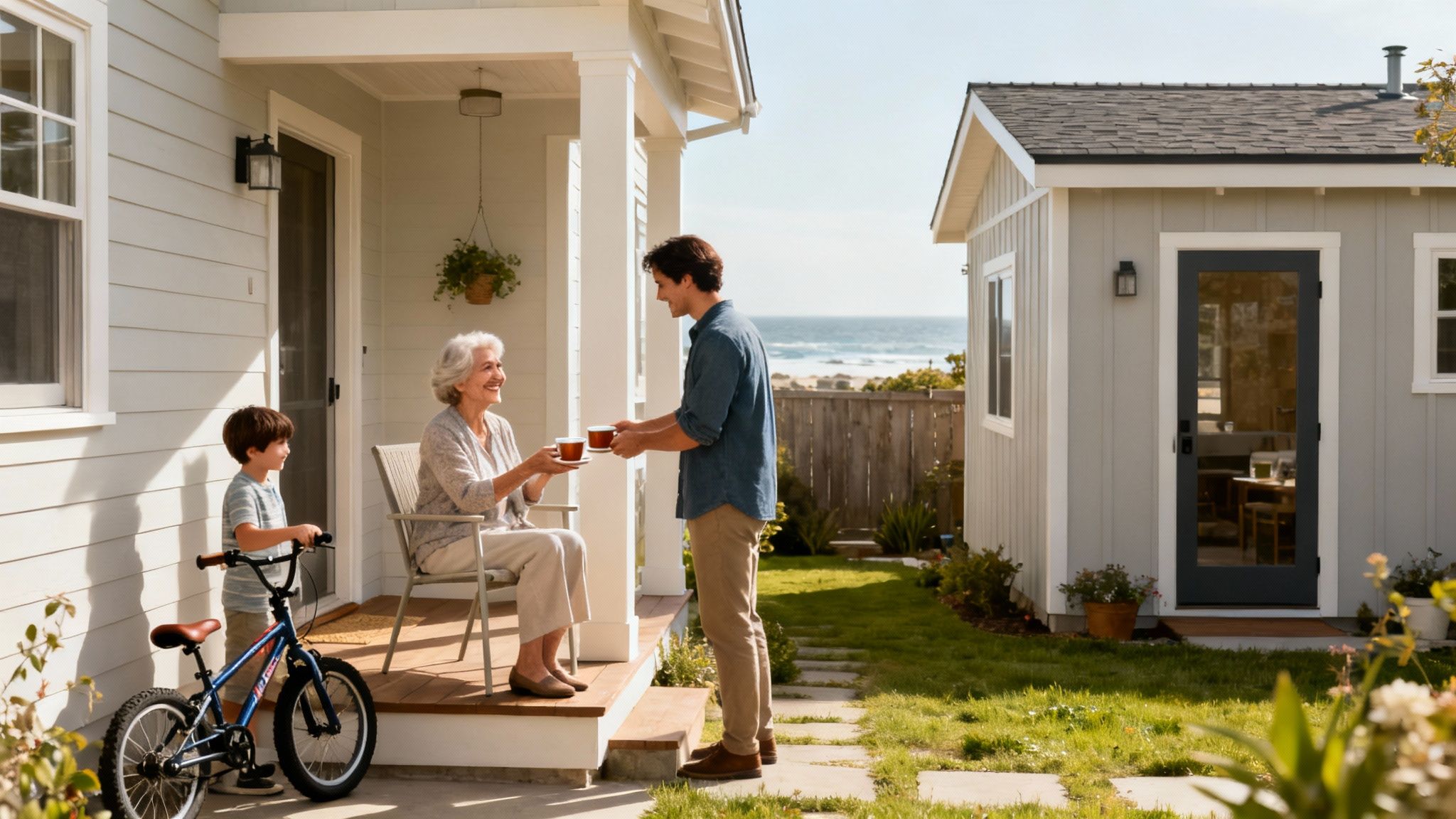
ADUs provide a dignified living arrangement that keeps family close. Whether it's for aging parents or adult children, these units foster connection and support. A growing number of homeowners are planning for aging parents or adult children to move in.
Real-World Family Solutions in Monterey Bay
Across the region, ADUs are creating practical solutions for families.
- Elderly Parent Care: In Salinas, families build accessible backyard cottages for aging parents as a compassionate alternative to assisted living facilities.
- Supporting Young Adults: Some Monterey homeowners add ADUs for adult children, giving them a private space while they build savings.
- Grandparent Childcare: In communities like Pacific Grove, grandparents often live in an ADU, allowing them to help with childcare and reduce daycare expenses.
- Accessible Living: Santa Cruz families are designing ADUs with aging-in-place features, such as no-step entries and grab bars, to support parents with health challenges.
These scenarios show how ADUs adapt to a family's evolving needs.
Actionable Steps for Family-Focused ADUs
To ensure a successful multigenerational living arrangement, proactive planning is essential.
- Establish Clear Agreements: Have open conversations with family members about finances and shared responsibilities before construction begins.
- Design for Accessibility: Plan for future needs by incorporating universal design principles. Explore options for home modifications for seniors.
- Prioritize Privacy: Design the ADU with separate entrances and private outdoor space to maintain independence for everyone.
- Consult Legal Professionals: Consider speaking with an attorney to draft an agreement that outlines living arrangements and estate planning.
- Plan for Future Care: If the ADU is for an aging parent, think ahead. Is the layout conducive to in-home care if needed?
3. Housing Supply Shortage & Affordability Crisis
A core driver behind the ADU boom is the reality of the Monterey Bay housing market. The region faces a critical shortage of homes, which drives up prices. ADUs offer a practical solution to this crisis.
This approach allows communities to increase housing density without large, disruptive development projects. By empowering homeowners to add a small residence, cities can expand their housing stock for local workers.
How Local Cities Are Leveraging ADUs
Across Monterey Bay, cities are encouraging ADU construction to address the affordability crisis.
- Santa Cruz County: The county aims to use ADUs to add over 5,000 new housing units in the coming decade.
- City of Monterey: Monterey has streamlined its ADU approval process. What once took months can now be approved in as little as six to eight weeks.
- Pacific Grove & Carmel-by-the-Sea: These communities have embraced ADUs to create housing for essential workforce members.
- Santa Cruz Subsidy: The city has introduced a subsidy program to incentivize homeowners to build ADUs that are rented at affordable rates.
These policies show a regional commitment to using ADUs as part of the housing solution. Understanding these initiatives and California ADU requirements is the first step.
Actionable Steps to Join the Solution
If you're considering building an ADU, here’s how to get started.
- Research Local Ordinances: Start by reviewing your city’s specific ADU rules.
- Schedule a Pre-Application Meeting: Contact your local planning department to discuss your project. This can clarify requirements and speed up approvals.
- Explore Financing & Grants: Look for local or state programs that support the construction of affordable ADUs.
- Partner with an Expert: Aldridge Construction has a deep understanding of local codes in Santa Cruz, Monterey, and San Benito Counties. Our expertise helps navigate the permitting and construction process smoothly.
- Monitor Policy Changes: Stay informed about new state and local laws, as new benefits may become available.
4. Regulatory Changes & Legal Deregulation
One of the biggest reasons for the ADU boom is legal. For decades, restrictive zoning codes made building a second unit difficult or impossible. Recent state laws have removed key barriers, like parking requirements and minimum lot sizes, making it easier for homeowners to get projects approved.
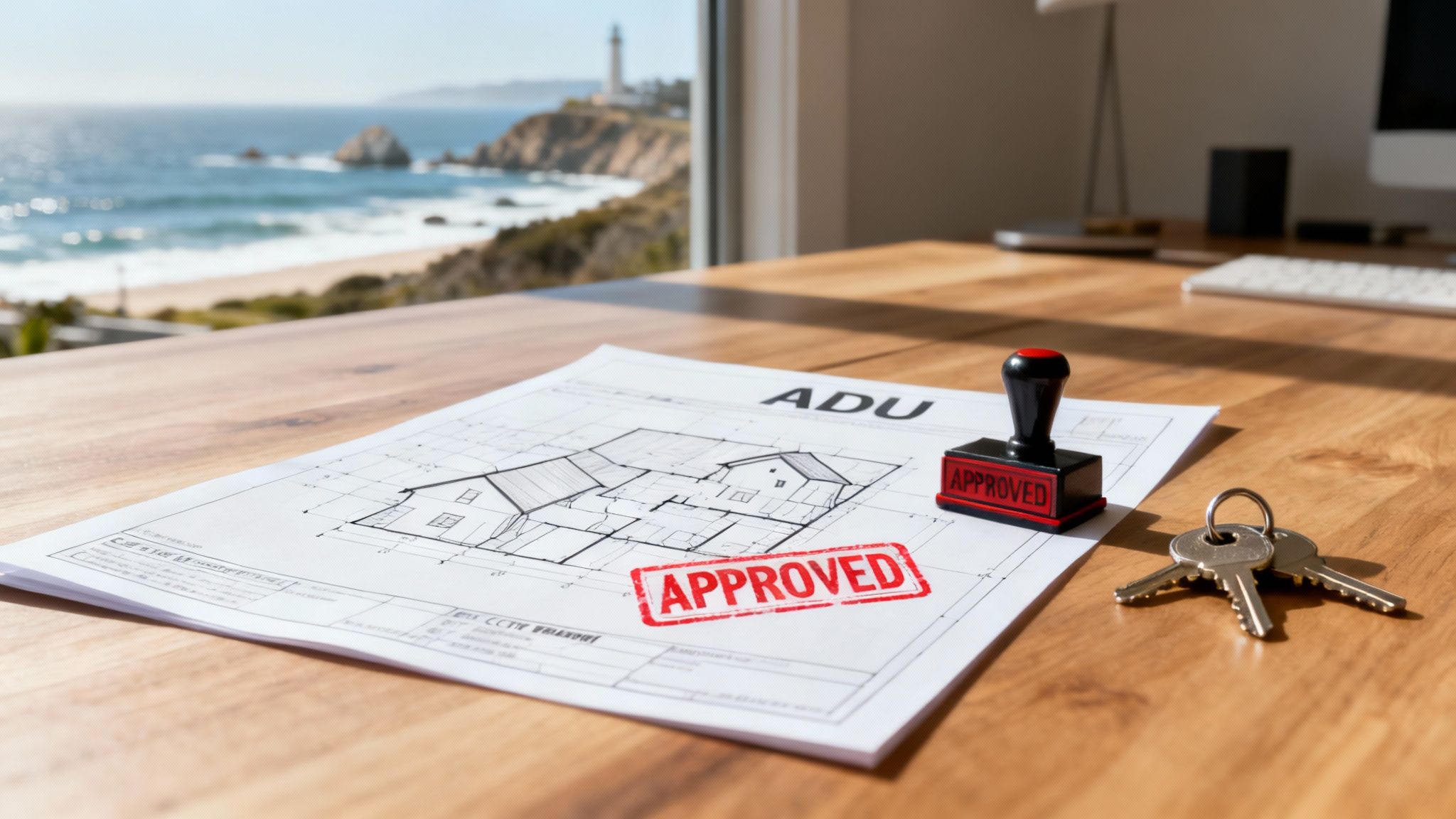
This wave of deregulation has forced cities to streamline approvals and reduce fees. The result is a more predictable and accessible process for homeowners.
Local Impact of State-Mandated Changes
These state laws have led to homeowner-friendly policy shifts across the Monterey Bay area.
- Streamlined Approvals: Santa Cruz now offers a 30-day review for compliant ADU projects, a dramatic reduction from the past.
- Eliminated Requirements: Monterey eliminated both parking requirements and owner-occupancy rules, opening up ADU development to more properties.
- Increased Size and Flexibility: Responding to new state laws, Salinas increased its maximum ADU size limit, allowing for more spacious units.
- Proactive City Initiatives: Watsonville has offered pre-approved ADU plans to homeowners to reduce design costs and accelerate permitting.
These local adaptations are a direct reason why building an ADU is now more feasible than ever before.
Actionable Steps for Navigating Regulations
To leverage these new rules, an informed approach is essential.
- Verify Local Ordinances: Start by visiting your city or county’s planning department website.
- Work with an Expert: Aldridge Construction is an ADU-experienced builder who stays current on local requirements. We ensure your design is compliant from the start.
- Document Everything: Keep a detailed timeline of your application submission and correspondence with city planners.
- Understand Evolving Rules: Understanding new rental property regulations is crucial for any homeowner considering an ADU.
- Consult Permit Professionals: Get a clearer picture of what to expect by reviewing local construction permit requirements.
5. Demographic Shifts & Changing Housing Preferences
The evolution of how we live and work is a powerful force driving ADU construction. The Monterey Bay area is seeing significant demographic shifts, from aging Baby Boomers seeking to downsize to remote workers prioritizing flexibility. Compact, efficient ADUs are an ideal housing solution.
The rise of remote work has increased demand for smaller, more manageable living spaces. For many, an ADU offers a more affordable alternative to a condo or apartment.
Shifting Lifestyles Across Monterey Bay
These trends are visible in communities all over the region.
- Santa Cruz: The city attracts remote workers who value walkability. ADU rentals in established neighborhoods provide an entry point into a competitive market.
- Monterey & Pacific Grove: Retirees are converting parts of their properties into ADUs. This allows them to "age in place" and generate supplemental income.
- Salinas: In family-oriented communities, there's a growing trend of building detached ADUs to support extended family.
- Capitola: This coastal town appeals to individuals who prefer smaller homes close to the beach, making ADUs a popular choice.
This shift underscores a key point: from income to in-laws: 5 reasons ADUs are on the rise across Monterey Bay. ADUs are a direct response to how modern households want to live.
Actionable Steps for Future-Proofing Your ADU
To capitalize on these demographic trends, design your ADU with flexibility in mind.
- Design for Multiple Uses: Incorporate features that serve different needs, like a ground-floor bedroom that can be a home office. For inspiration, explore a gallery of versatile ADU design ideas.
- Include Accessibility Features: Add elements like no-step entries and wider doorways. These features make the unit attractive to the "aging in place" market.
- Prioritize Modern Amenities: Younger renters value open floor plans, energy-efficient appliances like induction cooktops, and strong internet connectivity.
- Offer Flexible Lease Terms: If you plan to rent, consider offering a 6-month or month-to-month option.
- Monitor Local Trends: Pay attention to who is moving into your neighborhood. Tailor your ADU's features to meet their needs.
Your Property's Potential Is Waiting
The evidence is clear. The rise of Accessory Dwelling Units is a fundamental shift in how homeowners address modern challenges. From generating rental income to providing a space for family, ADUs offer a versatile solution.
The numbers don’t lie: one in five new housing units in California is now an ADU. With property values high and space limited, ADUs are a smart investment in both lifestyle and equity. Unlike providers who offer only pre-designed units, Aldridge Construction helps clients create personalized, code-compliant ADUs that suit their space and budget.
Key Takeaways
- Financial Empowerment: ADUs are financial assets that can generate rental revenue and boost your property's value.
- Family-Centric Solutions: These units provide a balance of proximity and privacy for families in Monterey, Santa Cruz, and San Benito Counties.
- A Response to a Housing Crisis: By adding a dwelling to your property, you contribute to the local housing supply.
- The Path is Clearer Than Ever: Thanks to updated laws, the ADU process is more straightforward for homeowners.
The story of from income to in-laws: 5 reasons ADUs are on the rise across Monterey Bay is about unlocking hidden potential. Your property holds the key to financial flexibility, stronger family bonds, and a smarter way of living. Aldridge Construction makes it easy to go from idea to move-in-ready.
Frequently Asked Questions (FAQs)
1. What is an ADU?
An Accessory Dwelling Unit (ADU) is a smaller, independent residential dwelling unit located on the same lot as a stand-alone single-family home. They are also known as granny flats, in-law units, or backyard cottages.
2. How much does it cost to build an ADU in Monterey Bay?
Costs vary widely based on size, design, and site conditions. A garage conversion might start around $100,000, while a new detached unit could range from $200,000 to $400,000 or more. Aldridge Construction provides detailed estimates based on your specific project.
3. Can I build an ADU on my property?
Recent California laws have made most residential properties eligible for at least one ADU. Aldridge Construction can help you verify your property’s eligibility based on local zoning rules in Monterey, Santa Cruz, or San Benito County.
4. How long does it take to build an ADU?
The entire process from design to completion typically takes 9 to 12 months. This includes about 3-4 months for design and permitting, followed by 6-8 months for construction.
5. How can an ADU help my family?
An ADU provides a flexible living space for aging parents who want to be near family while maintaining independence. It can also serve as a starter home for adult children, saving them money in a high-cost rental market.
Ready to explore how an ADU can transform your property? The expert team at Aldridge Construction specializes in custom ADU design and builds. We will guide you through design, permitting, and construction — every step of the way. Contact us today for a consultation and let's unlock the potential of your space together.