
Aging in place is a goal for many homeowners, allowing them to remain in a familiar and comfortable environment as they grow older. However, a standard home layout can present unexpected challenges over time. Proactively implementing key home modifications for seniors transforms a house into a safe, accessible, and supportive long-term residence.
This isn't just about adding a few grab bars; it's a comprehensive approach to home design that prioritizes independence and well-being. According to AARP, nearly 90% of adults over age 65 want to stay in their current home and community as they age [AARP, 2021]. For residents in Monterey, Santa Cruz, and San Benito Counties, as well as those in Maricopa County, AZ, adapting a home for future needs is a practical investment in quality of life.
This guide provides a clear roadmap of essential modifications, exploring specific, actionable upgrades for every critical area of your home. By making these strategic improvements, you can ensure your home remains a sanctuary of comfort and security for years to come.
1. Bathroom Safety Modifications
Given that a staggering 80% of home falls for older adults occur in the bathroom [National Council on Aging], prioritizing safety in this area is one of the most impactful home modifications for seniors. The combination of hard surfaces, water, and mobility challenges creates a high-risk environment. Comprehensive bathroom renovations focus on mitigating these dangers.
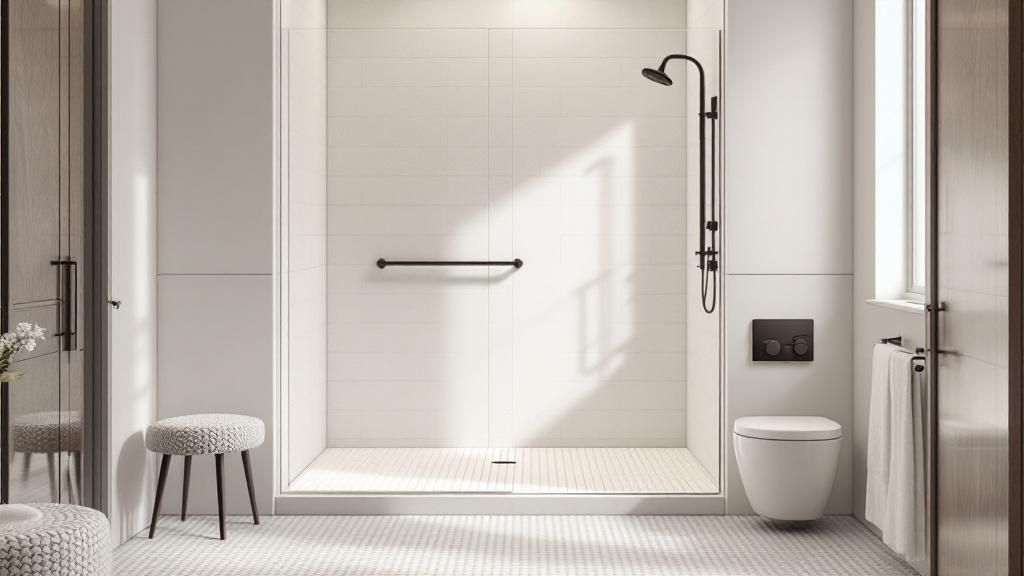
These modifications transform a hazardous space into a secure one. For homeowners in Monterey County or Maricopa County, these upgrades not only support aging in place but also add significant value, with accessible bathroom remodels often recouping over 60% of their cost at resale.
Key Modifications and Implementation
A truly safe bathroom integrates multiple features that work together to reduce risk. Leading manufacturers like Kohler and Moen have popularized accessible fixtures that are both functional and stylish.
- Walk-in Tubs and Curbless Showers: Eliminating the high threshold of a traditional tub is the single most effective way to prevent falls. Curbless, or zero-entry, showers built with non-slip tile allow a walker or wheelchair to roll directly in, offering maximum accessibility.
- Professionally Installed Grab Bars: Unlike suction-cup bars, professionally installed grab bars are anchored directly into wall studs, providing reliable support for up to 500 pounds. Aldridge Construction recommends using contrasting colors (e.g., brushed nickel against a white tile wall) for enhanced visibility.
- Accessible Fixtures: Installing a comfort-height toilet (17-19 inches high) reduces strain on knees and hips. Similarly, single-handle, lever-style Moen faucets are easier for arthritic hands to operate than traditional knobs.
For those planning a renovation, it's essential to work with a contractor who understands the specific requirements of aging-in-place design. For a deeper look into the possibilities, you can find a complete guide to bathroom remodeling for the elderly on our website. To start planning your own project, see how we can help you with your bathroom safety modifications.
2. Stair Safety and Accessibility Solutions
For multi-level homes, stairs often become a major barrier and safety concern for older adults. With stair-related incidents accounting for over a million emergency room visits annually for seniors, addressing this area is a critical component of effective home modifications for seniors. The risk of a fall, combined with physical exertion, makes navigating between floors a significant daily challenge.
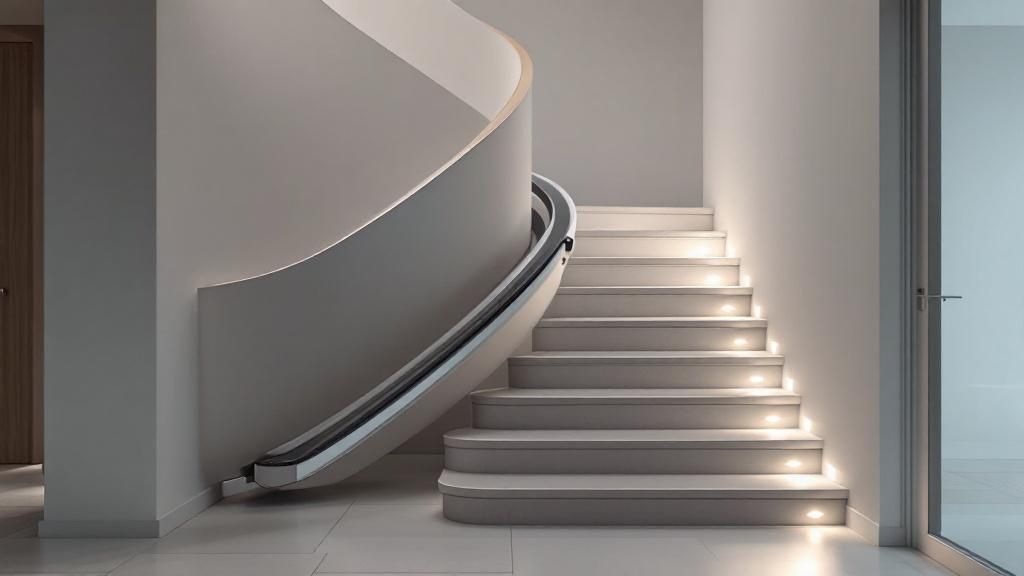
These modifications range from simple enhancements to sophisticated mechanical lifts. For homeowners in communities from Monterey, CA, to Maricopa County, AZ, investing in stair accessibility ensures the entire home remains usable, supporting true aging in place without forcing a move to a single-level property.
Key Modifications and Implementation
A comprehensive approach to stair safety combines lighting, support, and mechanical assistance. Industry leaders like Bruno and Stannah have developed reliable solutions that integrate seamlessly into existing homes.
- Stair Lifts and Platform Lifts: A stair lift is a motorized chair that travels along a rail mounted to the stair treads. For individuals who use wheelchairs or walkers, a vertical platform lift offers a similar solution, acting as a mini home elevator.
- Enhanced Handrails and Lighting: Proper handrails are non-negotiable. They should be installed on both sides of the staircase and extend beyond the top and bottom steps. Pairing these with improved lighting, such as motion-activated LED strips along the treads, dramatically increases visibility.
- Structural and Surface Improvements: Ensure stair treads are non-slip by using low-pile carpeting or applying non-slip adhesive strips. A professional contractor like Aldridge Construction must repair any loose boards or uneven surfaces to eliminate tripping dangers completely.
A critical but often overlooked safety feature is a thermostatic mixing valve installed in the plumbing. This device maintains a consistent water temperature, automatically preventing dangerous scalding if the cold water pressure suddenly drops. When selecting a stair lift, always opt for a model with a battery backup. This feature is crucial, ensuring the lift remains operational during a power outage so that a resident is never left stranded between floors.
Planning for stair accessibility requires careful assessment of both the user's mobility needs and the home's specific layout. To explore the best options for your property and ensure a safe, professional installation, see how we can help you with your stair safety modifications.
3. Kitchen Accessibility Upgrades
The kitchen is often called the heart of the home, a center for nourishment and social connection. For seniors, maintaining independence in this space is crucial for quality of life. Thoughtful home modifications for seniors in the kitchen can overcome challenges posed by limited mobility, reduced strength, or arthritis, making cooking safer and more enjoyable. These upgrades focus on improving workflow and reducing physical strain.
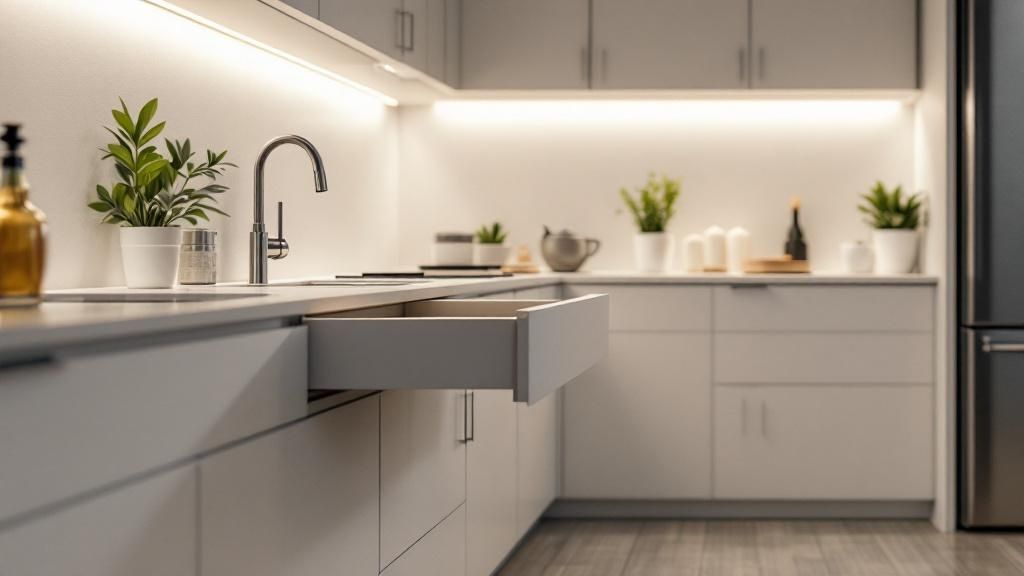
These modifications transform a standard kitchen into a space that supports aging in place. For homeowners in areas like Monterey County or Maricopa County, an accessible kitchen not only enhances daily life but also increases the home’s long-term marketability by appealing to a wider range of buyers.
Key Modifications and Implementation
A truly accessible kitchen blends smart design with specialized features. Industry leaders like Rev-A-Shelf and KraftMaid have pioneered solutions that integrate seamlessly into modern kitchen aesthetics.
- Accessible Storage Solutions: Position frequently used items between shoulder and waist height. Aldridge Construction recommends installing pull-out shelves or drawers in lower cabinets and pull-down shelving units (like those from Rev-A-Shelf) in upper cabinets to bring contents within easy reach.
- Ergonomic Fixtures and Hardware: Replace traditional cabinet knobs with large, D-shaped pulls that are easier for arthritic hands to grip. Single-handle, lever-style faucets also reduce the wrist rotation required for operation.
- Counter and Appliance Height Adjustments: Lower a section of the countertop to create a comfortable, seated work area for food prep. Place microwaves on the counter or on a dedicated shelf at counter height to prevent accidents from lifting hot items overhead.
When planning a kitchen remodel, incorporate varied lighting. Under-cabinet task lighting is essential for illuminating work surfaces, reducing shadows, and preventing cuts or other accidents. Combining this with bright overhead ambient light ensures the entire space is safe and easy to navigate.
Creating a fully accessible kitchen requires careful planning and professional execution. To see how these elements come together, it's helpful to review a detailed kitchen remodel checklist. For assistance in designing a kitchen that meets your specific needs, see our comprehensive guide to a kitchen remodel checklist.
4. Enhanced Lighting and Electrical Modifications
As vision naturally changes with age, the need for adequate lighting dramatically increases. Older adults often require two to three times more light than younger individuals to see clearly, making enhanced illumination one of the most critical home modifications for seniors. Insufficient lighting creates shadows that can obscure trip hazards, increasing the risk of falls.
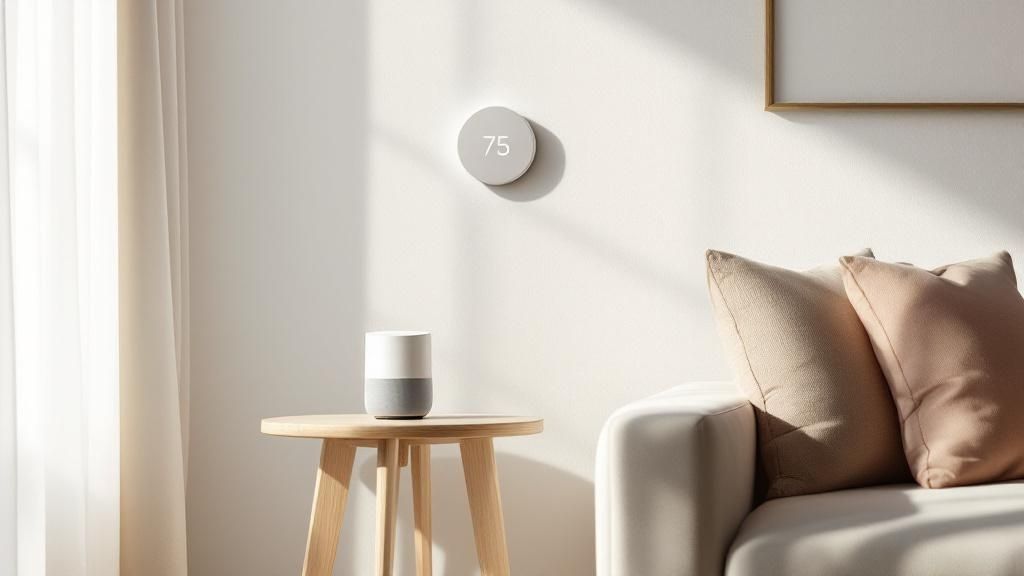
These upgrades move beyond simply using brighter bulbs; they involve a thoughtful approach to creating layered, even, and accessible light. For homeowners in regions like Monterey County or Maricopa County, modernizing a home's lighting and electrical systems not only enhances safety for aging in place but also improves energy efficiency and property value.
Key Modifications and Implementation
A comprehensive lighting plan addresses ambient, task, and accent lighting while incorporating user-friendly controls. Industry leaders like Philips and Lutron offer advanced systems that seamlessly integrate safety with modern convenience.
- Layered and Even Illumination: Combine overhead ambient lights with focused task lighting in key areas like kitchens and bathrooms. The goal is to eliminate dark spots and harsh shadows. Energy-efficient LED retrofits are an excellent choice.
- Motion-Sensor and Smart Lighting: Installing motion-sensor lights in hallways, stairways, and bathrooms provides automatic, hands-free illumination for nighttime navigation. Smart systems like Philips Hue allow for voice or app-controlled adjustments.
- Accessible Switches and Outlets: Replace standard toggle switches with large, illuminated rocker switches (like Lutron's) that are easy to see and operate. Aldridge Construction can also raise electrical outlets higher on the wall to reduce the need to bend down.
When selecting bulbs, pay attention to both brightness and color temperature. Task areas benefit from at least 50 foot-candles of light, while a warm white color temperature (2700K-3000K) creates a comfortable, non-glare environment that is easier on aging eyes.
Thoughtful lighting design is a foundational element of a safe home. You can find more ideas in our guide with home renovation tips to create a secure and accessible living space.
5. Flooring Safety Improvements
Flooring is the foundation of a safe home environment, and making strategic upgrades is one of the most essential home modifications for seniors. Given that falls are the leading cause of fatal injuries among older adults [CDC, 2023], the right flooring can drastically reduce the risk of slips and trips. The goal is to create a continuous, level, and non-slip surface.
These modifications transform potentially hazardous floors into a stable foundation for daily life. For homeowners in communities from Santa Cruz to Maricopa County, updating flooring not only improves safety but also modernizes the home’s aesthetic and enhances its overall value.
Key Modifications and Implementation
A truly safe floor is about creating a smooth, uninterrupted path. Leading manufacturers like Mannington offer extensive lines of senior-friendly flooring that blend safety with style.
- Install Low-Pile Carpet or Hard-Surface Flooring: High-pile carpets can catch walkers and canes. Low-pile carpeting provides softness underfoot, while hard surfaces like Luxury Vinyl Plank (LVP), cork, or rubber flooring offer superior slip resistance and durability.
- Ensure Smooth Transitions: Abrupt changes in flooring height between rooms are a common cause of falls. Aldridge Construction uses low-profile, ADA-compliant transition strips to create a smooth, beveled edge between different flooring types.
- Remove or Secure Area Rugs: Loose area rugs are one of the most frequent culprits in home falls. The best practice is to remove them entirely. If a rug is necessary, it must be secured firmly to the floor on all sides with high-quality, double-sided carpet tape.
When selecting flooring, pay close attention to its Coefficient of Friction (COF) rating. The Americans with Disabilities Act (ADA) recommends a static COF of 0.6 or higher for level surfaces and 0.8 for ramps to provide adequate slip resistance.
Proper installation is critical for ensuring these benefits are fully realized. Planning for these and other important details is key to a successful project. You can find comprehensive guidance in our home remodel checklist.
6. Door and Hardware Accessibility Modifications
Navigating doorways can become a significant daily obstacle for seniors, especially those with arthritis, limited grip strength, or who use mobility aids. Rethinking entry points is a crucial component of effective home modifications for seniors. Simple yet strategic changes to doors and handles can dramatically improve independence and safety.
These modifications remove barriers that frustrate older adults. For residents in Monterey County and Santa Cruz County, upgrading door hardware not only facilitates aging in place but also adds a modern, functional touch that enhances the home’s overall usability.
Key Modifications and Implementation
An accessible home allows for effortless movement from one space to another. Leading brands like Schlage have engineered products that merge ADA-compliant design with residential aesthetics.
- Lever-Style Handles: Replacing traditional round doorknobs with lever-style handles is a simple, high-impact upgrade. Levers can be operated with an elbow or a closed fist, requiring minimal grip strength.
- Keyless and Smart Locks: Fumbling with keys can be difficult. Keypad locks from brands like Schlage or smart locks like the August smart lock eliminate this challenge, allowing entry via a simple code or a smartphone.
- Wider Doorways and Swing-Clear Hinges: For wheelchair access, doorways should ideally be at least 36 inches wide. If widening the frame is not feasible, installing offset or swing-clear hinges can add up to two extra inches of clearance.
When modifying doors, always check the opening force. The Americans with Disabilities Act (ADA) recommends that interior doors require no more than five pounds of force to open. An experienced contractor can adjust door closers or select appropriate hardware to meet this standard, making a significant difference for individuals with limited strength.
For homeowners planning these updates, it's vital to ensure they are installed correctly to provide maximum benefit. To discuss how these accessible features can be integrated into your home, see how we can help you with your aging in place remodeling.
7. Smart Home Technology Integration
The rise of smart home devices has created powerful new opportunities for home modifications for seniors, offering enhanced safety, convenience, and peace of mind. Integrating these technologies transforms a home into a responsive and supportive environment. Systems can automate daily routines, monitor for emergencies, and provide a connection to loved ones.
These intelligent modifications can range from simple voice-activated assistants to comprehensive monitoring networks. For seniors in areas like Monterey County or Maricopa County, these tech-forward upgrades allow for greater independence while ensuring help is always within reach.
Key Modifications and Implementation
A well-designed smart home for a senior prioritizes ease of use and reliability. Industry leaders like Amazon, Apple, and Philips have developed senior-focused features and devices that are intuitive and highly effective.
- Emergency Alert and Health Monitoring: Personal emergency response systems, like Life Alert, provide immediate access to help. Modern versions can also include automatic fall detection, while devices from Philips monitor vital signs.
- Voice-Activated Assistants: Amazon Echo devices or Google Nest hubs can be programmed to control lights, thermostats, and door locks with simple voice commands, reducing the need to move around. They can also be set up for medication reminders or to call contacts.
- Enhanced Security Systems: Smart doorbells like Ring allow seniors to see and speak with visitors without opening the door. Smart locks can be programmed to lock automatically and grant temporary access to family or caregivers.
The foundation of a successful smart home is a robust and reliable Wi-Fi network. Aldridge Construction ensures your router provides strong coverage throughout the home so that every device maintains a constant connection.
Starting with one or two key devices and gradually building the system can make the transition easier. It is important to work with a professional who can ensure all components are integrated seamlessly. To explore how these systems can be tailored for your home, learn more about our Smart Home Technology Integration services.
Frequently Asked Questions (FAQs)
1. What is the most important home modification for seniors?
While every home is different, bathroom safety modifications are typically the most critical. This is because the bathroom is where the highest percentage of home falls occur. Installing grab bars, a curbless shower, and a comfort-height toilet can dramatically reduce risk.
2. How can I make my home safer without a major renovation?
You can start with smaller, high-impact changes. Replace doorknobs with lever handles, improve lighting with brighter LED bulbs, add nightlights in hallways, and secure all area rugs with double-sided tape or remove them entirely.
3. Are these modifications expensive?
Costs can vary widely. A full bathroom remodel may cost thousands, but installing grab bars and lever handles is relatively inexpensive. Federal and state programs sometimes offer financial assistance or grants for aging-in-place modifications; check with your local Area Agency on Aging.
4. Will home modifications for seniors lower my property value?
On the contrary, universal design features that improve accessibility often increase property value. Features like a first-floor bedroom, curbless showers, and wider doorways appeal to a broad range of buyers, not just seniors.
5. How do I know which modifications are right for my home in Monterey or Maricopa County?
The best way is to have a professional assessment. A certified aging-in-place specialist (CAPS) or an experienced contractor like Aldridge Construction can evaluate your home, discuss your specific needs, and recommend a phased plan that fits your budget and local building codes.
Creating a Safer, More Accessible Future in Your Own Home
Making the decision to invest in home modifications for seniors is a profound commitment to safety and independence. Throughout this guide, we've explored upgrades designed to transform a familiar house into a secure forever home. From grab bars and walk-in tubs to the accessibility provided by stairlifts, each modification plays a crucial role in mitigating risks.
The key takeaway is that effective aging-in-place design is proactive. Rather than waiting for a fall, planning ahead allows for thoughtful, integrated solutions that blend safety with aesthetics. By addressing high-risk areas like bathrooms, kitchens, and stairways, you are fundamentally redesigning your space to support changing needs for years to come.
Your Action Plan for Senior Home Modifications
Transforming these ideas into reality requires a structured approach. Here are your next steps:
- Conduct a Home Assessment: Use this article as a checklist to walk through your home and identify potential hazards. Pay close attention to lighting, floor transitions, and accessibility in key areas.
- Prioritize Your Needs: Rank modifications based on urgency and impact. A slip-resistant floor in the bathroom might be a higher priority than smart lighting, for example.
- Consult with Professionals: The complexity of these projects requires expert guidance. Engaging with an experienced general contractor like Aldridge Construction is critical to ensure all work is up to code and tailored to your specific requirements, whether you're in Monterey County, CA, or Maricopa County, AZ.
- Develop a Budget and Timeline: A reliable contractor can help you create a realistic budget that aligns with your priorities and provide a clear timeline, minimizing disruption.
Investing in these home modifications for seniors is an investment in quality of life and peace of mind. By taking these deliberate steps, you are empowering independence and ensuring the home remains a source of comfort and security for a lifetime.
Ready to transform your home into a safer, more accessible space for aging in place? The team at Aldridge Construction specializes in thoughtful, high-quality home modifications for seniors in Monterey, Santa Cruz, San Benito, and Maricopa Counties. We can help you navigate the entire process, from initial assessment to final construction, ensuring your home is beautiful, functional, and secure for years to come. Contact us today to schedule your consultation at Aldridge Construction.