
Home additions are becoming very popular in 2025. For many homeowners, it makes more sense to expand their current property than to sell and buy a new one. This "stay and expand" plan helps families get the space they need. They can avoid the stress of high borrowing costs and a limited housing market.
This guide explains why home additions are surging in 2025 and covers what you need to consider before you build.
The 2025 Shift to Expanding Instead of Moving
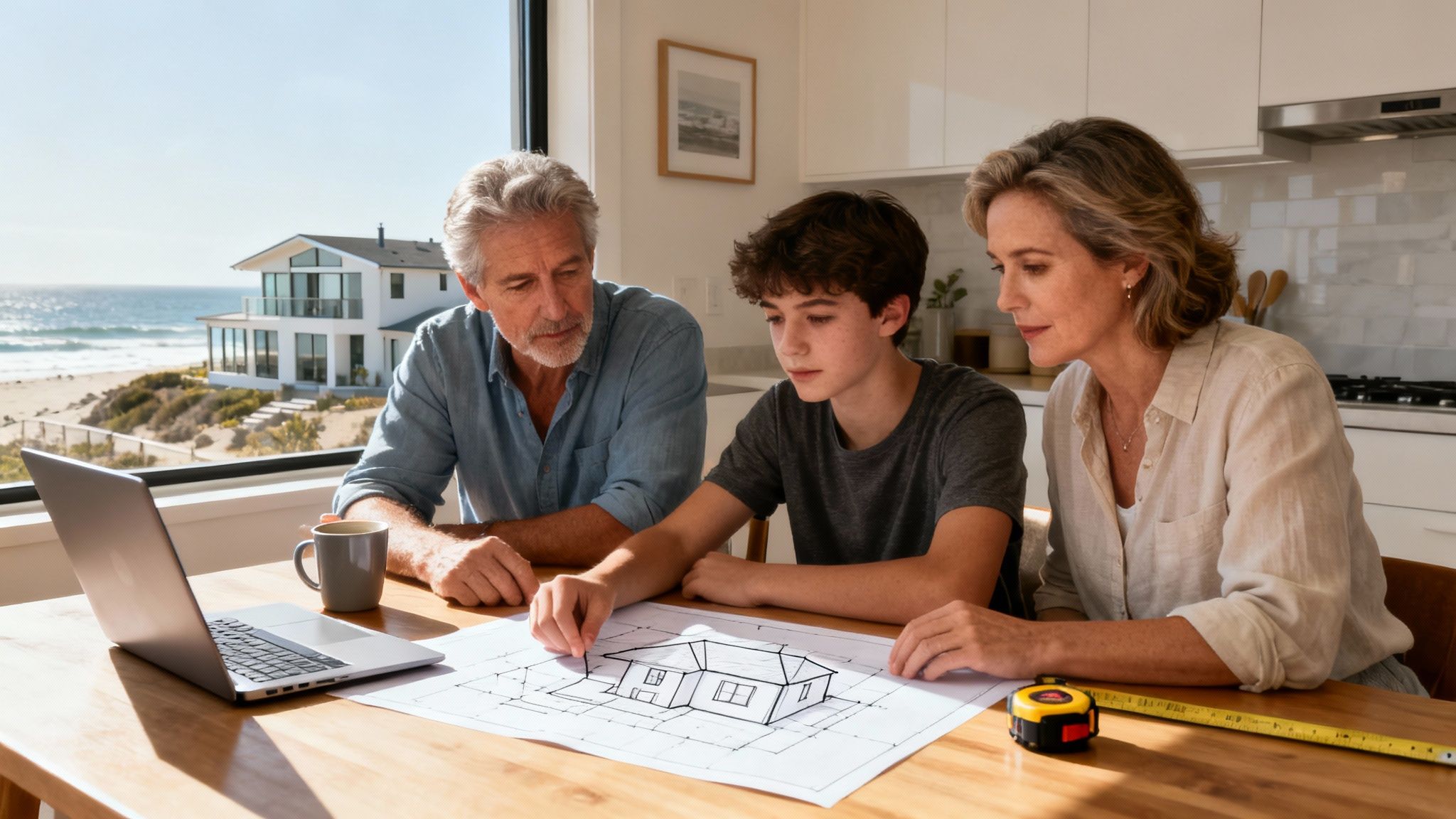
Have you dreamed of a bigger home but felt discouraged by the current real estate market? You are not alone. In 2025, many homeowners in Monterey, Santa Cruz, and San Benito Counties are choosing to improve their homes instead of moving.
The reasons for this trend are clear. They are pushing homeowners to rethink the old path of moving from a starter home to a dream home.
Key Drivers Behind the 2025 Home Addition Boom
| Factor | Impact on Homeowners | Why It Favors Additions |
|---|---|---|
| High Mortgage Rates | Buying a new home means giving up a low-rate mortgage for a much higher one. This greatly increases monthly payments. | Financing an addition is often cheaper than getting a new mortgage. |
| Low Housing Inventory | There is a lot of competition for the few homes available. This can lead to bidding wars and compromises. | An addition gives you the exact space you need, customized for you, without the stress of competing with buyers. |
| Rising Home Prices | The cost of buying a larger home is too high in many areas. | Building an addition adds value to your current property, making it a good financial investment. |
| Evolving Lifestyles | Remote work, multigenerational living, and the need for hobby spaces have changed what families need from their homes. | An addition can be designed for these new needs, like a home office or an in-law suite. |
This mix of money pressure and practical need makes expanding a clear choice for many families. They can get more space without changing their lives completely.
Why Staying Put is the New Moving Up
Recent surveys show that 55% of homeowners would rather invest in upgrades than move. This trend is expected to continue as mortgage rates stay high and the number of available homes remains low.
An addition provides the space families need without the financial risk of a move. Whether it’s a new bedroom, a home office, or a guest suite, an addition allows homeowners to tailor their space to fit today’s needs.
Adapting Your Home for Today’s Needs
Our homes need to do more for us today. The rise of remote work and the need for more flexible spaces make home additions a practical solution. A well-designed addition can solve several problems at once.
- Create a Productive Workspace: A purpose-built office gives you the quiet space you need to be productive at home.
- Accommodate Family: An in-law suite offers comfort and privacy for aging parents or adult children. This is a popular way for families to live together.
- Increase Functionality: A larger kitchen or family room can change your daily life and make your home more enjoyable.
Building an addition is more than just adding square footage. It's about shaping your home to fit your life. As you plan your project, a detailed guide like Aldridge Construction's home remodel checklist can provide a clear roadmap.
How Additions Adapt Your Home for Modern Life
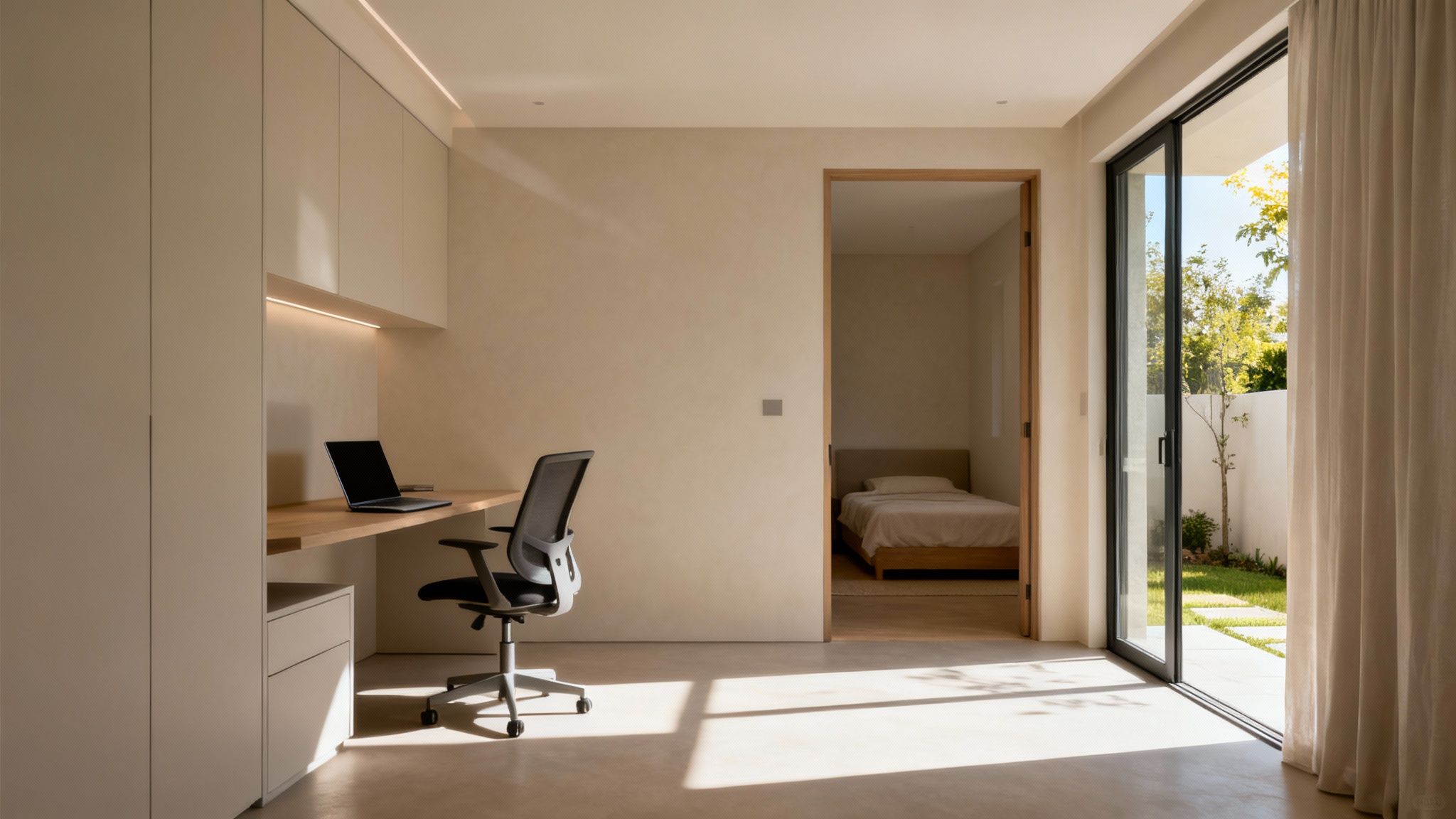
A home addition is not just about adding more room. It's about changing your home to fit the way you live now. This is a key reason why home additions are surging in 2025.
Instead of trying to fit your life into a floor plan that doesn't work, you can design a space around your family's needs. This gives you control you won't find when looking for a house in a competitive market.
Creating Spaces for Today's Lifestyles
Today's life requires a mix of spaces for work, family, and personal time. An addition lets you build these rooms exactly as you need them.
For example, a dedicated home office is a quiet, professional space separate from family life. This separation is very important for productivity and work-life balance for those who work from home.
An addition can also be a perfect solution for changing family needs.
A well-designed ground-floor suite provides a safe and private space for aging parents. This allows families to stay together comfortably. This approach to multigenerational living is becoming more and more popular.
Whether it’s a new bedroom for a growing family or a guest suite that can also be rented out, an addition lets you customize your space for today's demands.
Popular Types of Home Additions
Homeowners usually have a specific goal when they decide to expand. These popular options solve common problems and improve a home's function.
- Dedicated Home Office: A quiet space with good lighting, sound insulation, and built-in storage.
- In-Law Suite or ADU: A separate living area with its own bedroom, bathroom, and small kitchen. It's perfect for relatives or for rental income.
- Family Room Expansion: A larger, open area for family nights, entertaining guests, and relaxing.
- Primary Suite Addition: A private retreat with a spacious bedroom, a walk-in closet, and a large bathroom.
Designing for Regional Climates and Lifestyles
A great addition should feel like it belongs. This means considering the local environment. For example, in Maricopa County, Arizona, the climate is perfect for indoor-outdoor living.
Homeowners there are adding spaces like covered patios with outdoor kitchens or sunrooms with large glass walls. These additions don't just add square footage; they improve a lifestyle by embracing the weather.
In coastal areas like Monterey and Santa Cruz, an addition might focus on maximizing natural light with large, energy-efficient windows.
No matter the location, Aldridge Construction designs additions that feel like a natural part of your home. A custom addition is an investment that makes your space more comfortable and functional for years to come.
Creating a Realistic Budget for Your Addition
Planning a home addition is exciting. But turning that dream into reality requires a solid, realistic budget. A good budget protects you from surprises and keeps the project on track.
A budget is more than the cost of materials. It's a full plan that includes every expense, from architect fees to the final light fixtures. To get a starting estimate, our home addition costs calculator can help.
Breaking Down the Major Cost Categories
To avoid unexpected bills, it's important to understand the main cost categories. Overlooking one can affect your entire budget.
Your main costs will include:
- Design and Permitting Fees: This covers architectural plans and the fees your local building department in Monterey, Santa Cruz, or Maricopa County requires.
- Site Preparation: This may include digging, grading, or new foundation work before building starts.
- Materials: This is a large part of the budget. It covers everything from the structure and roofing to flooring and paint.
- Labor: This pays for the skilled workers, like electricians, plumbers, and painters.
- Finishes and Fixtures: This includes final details like light fixtures, faucets, cabinets, and countertops.
Ground Floor vs. Second Story: What Is the Difference?
The type of addition you choose will greatly affect your costs. A ground-floor addition is often simpler. It usually involves building a new foundation and connecting it to the existing structure.
Adding a second story is more complex. It requires a structural check to see if your current foundation and walls can support the extra weight. This often means reinforcing the structure, which adds cost and time. While you save yard space, a second-story addition is usually more expensive per square foot.
The final price, complexity, and return on investment (ROI) can vary. A popular, cost-effective option is converting an existing space like a garage. This can cost 30% to 50% less than a new addition because the main structure is already there.
Calculating Your Return on Investment
A home addition is an investment in your property. Thinking about the potential return on investment (ROI) from the start helps you make smart decisions. A well-designed addition can greatly increase your home's resale value.
Sources like Remodeling Magazine’s Cost vs. Value Report show that certain projects have a strong ROI. For example, adding a midrange bathroom often recovers a large portion of its cost at resale. This is because you are adding valuable square footage and features that buyers want.
The key to a high ROI is smart design and quality work. At Aldridge Construction, we build additions that add lasting value. By using durable materials like energy-efficient Milgard windows and timeless finishes like quartz countertops, your investment will pay off for years.
Navigating Permits and Local Building Codes
Before any work begins, every home addition must go through the permit process. This step is very important. It ensures your new space is safe, legal, and built to last. This is a key part of what to consider before you build.
A building permit is an official approval from your city or county. It certifies that your plans meet safety and structural standards. Skipping this step can lead to big fines and legal problems.
Understanding Your Local Zoning and Building Codes
Every city and county has its own rules. These rules, called zoning laws and building codes, determine what you can build and where.
This is why having a contractor who knows the local area is so important. Aldridge Construction has years of experience with the requirements in the communities we serve.
- In Monterey, Santa Cruz, and San Benito Counties, we are experts in California’s strict Title 24 energy code. This means we design your addition to meet the state's energy standards.
- For projects in Maricopa County, Arizona, we focus on local rules like setback requirements, which say how far your addition must be from your property lines.
The permit process can be complex. An experienced contractor acts as your guide. They manage the paperwork and inspections to keep the project moving smoothly.
The Permit Application Process Explained
Getting a permit requires professional documents that show the building department your plans. Your application package will usually need to include:
- Detailed Architectural Drawings: These are the blueprints showing floor plans and structural details.
- Site Plans: This is a map of your property, showing where the new addition will be.
- Engineering Calculations: If you are planning a second-story addition, an engineer must approve the design.
The team at Aldridge Construction handles this entire process for you. We prepare and submit all the paperwork and communicate with the building department.
For more details, check our guide on construction permit requirements.
By managing these technical details, we let you focus on the fun parts of your project. This expert help ensures your addition is beautiful and follows all rules.
Designing an Addition That Blends Seamlessly
A great home addition should not feel like an addition. It should feel like it was always part of the original home. This requires a good eye for detail and an understanding of how homes are built.
The goal is to avoid a "bolted-on" look that can lower your property's value. This means matching the architectural style, from the roofline to the exterior siding. Inside, the focus is on creating a smooth flow from the old space to the new.
Matching Your Home’s Architectural DNA
Every home has a unique style. A successful addition must respect that style. The details matter, from the window trim to the roof shingles.
Here are the key elements we focus on for a matching exterior:
- Roofline Integration: The new roof must match the style of the existing roof.
- Material Harmony: Siding, brick, or stucco should be matched as closely as possible.
- Window and Door Consistency: New windows and doors must match the style and size of the existing ones.
Creating a Natural Flow Indoors
Inside, the transition from the original house to the new space should feel easy. A new family room should connect logically to the kitchen, not be at the end of a long hallway.
Consider these interior design tips:
- Consistent Flooring: Using the same flooring helps connect the spaces and makes the area feel larger.
- Matching Trim and Moldings: Details like baseboards and door casings should be consistent.
- Thoughtful Layout: The floor plan should create a natural traffic pattern.
To help with design and budgeting, you can explore the best home renovation apps for your 2025 project.
The following infographic shows the typical permit process, which is a key step in any project.
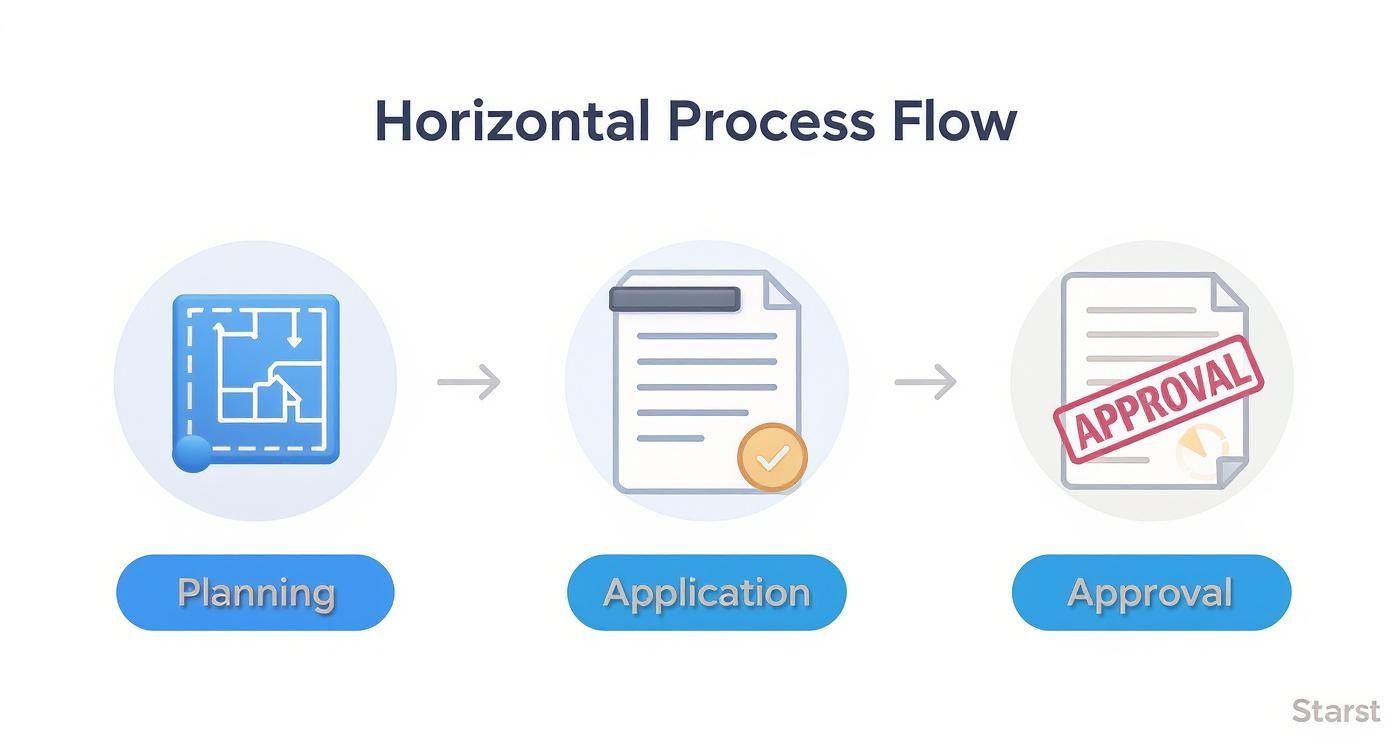
This visual guide shows how a structured approach is needed for a successful build.
Designing for Long-Term Value and Future Needs
In 2025, smart homeowners are thinking about the future. They are designing additions that will add lasting value and adapt to changing needs. This forward-thinking approach is a big part of why home additions are surging in 2025.
A well-designed addition increases your home's square footage and its long-term appeal. By focusing on both beauty and function, you create a space that serves your family now and attracts buyers later.
Designing for long-term value means considering these areas:
- Energy Efficiency: Using features like energy-efficient Milgard windows and good insulation lowers utility bills and meets California's Title 24 standards.
- Accessibility: Planning for aging-in-place is smart. Wider doorways and a ground-floor primary suite can make your home more comfortable for years.
- Multi-Functional Spaces: A room that can be a home office, a guest room, or a hobby space offers great flexibility. Check out these ADU design ideas for inspiration.
Aldridge Construction specializes in seamless, integrated additions. From zoning to finishing touches, our team delivers additions that feel like a natural extension of your home. We ensure every project meets structural standards, aesthetic goals, and long-term value needs.
How to Choose the Right Building Contractor
Your vision for a home addition depends on the team you hire. Choosing the right contractor is the most important decision you will make. It affects everything from your budget to the final quality of the work.
A great contractor is your expert guide and problem-solver. Their job is to make sure your new space is beautiful, structurally sound, and follows local codes.
Verifying Credentials and Experience
Before you start planning, you must do your homework. First, check a contractor’s qualifications. This is a necessary step to protect you and your home.
Start with these must-haves:
- State License: Make sure the contractor has a valid license in California or Arizona.
- Insurance Coverage: A good builder must have general liability insurance and workers' compensation. This protects you if an accident happens during the build.
- Bonding: A bond provides extra financial security. It covers you if the contractor fails to finish the job or pay subcontractors.
It is also important to know the importance of licensed and insured tradespeople for special work like plumbing. Your general contractor should work with a team of qualified professionals.
Reviewing Portfolios and Client Feedback
After you confirm a contractor is licensed and insured, look at their work. A portfolio shows their craftsmanship and the types of projects they do well. Find examples that are similar to what you want.
But don't just look at pictures. Ask for references and read client reviews. Honest feedback from past clients is one of the best ways to predict your own experience. Pay attention to comments about communication and staying on budget.
You can learn more by reading our guide on questions to ask general contractors before you hire someone.
The Advantage of a Design-Build Firm
For a smooth experience, many homeowners in 2025 are choosing design-build firms. The traditional way involves hiring an architect and a contractor separately. A design-build company like Aldridge Construction brings everyone together under one roof.
This approach puts the design and construction teams together from the start.
A design-build model leads to better communication, more accurate cost estimates, and a faster project timeline because the whole team works together from the beginning.
In 2025, homeowners are making strategic investments. Thoughtful additions increase resale value, especially when designed with energy efficiency or aging-in-place features.
A design-build firm helps ensure every decision adds to your home's overall worth. Partnering with a trusted expert like Aldridge Construction gives you confidence that your project will be completed on time and on budget.
Common Questions About Home Additions
Starting a major home project brings up many questions. This is a big decision, and you deserve clear answers. Here are some of the most common things homeowners ask as they learn why home additions are surging in 2025.
How Long Does a Home Addition Usually Take to Build?
The timeline depends on the project's size. A standard ground-floor room addition might take about 3-4 months to build. A more complex project, like a second story, could take 6-8 months or longer.
Keep in mind that the local permit process, weather, or material delays can affect the schedule. A professional contractor like Aldridge Construction will give you a detailed timeline upfront.
Can I Stay in My House During Construction?
Yes, in most cases, you can. We work hard to minimize disruption to your daily life. Our team will seal off the construction area to keep dust and noise contained.
However, be prepared for some noisy days. If your project involves your only kitchen or bathroom, you may need to make temporary arrangements for a short time. We will communicate with you about these key phases.
What Is the Difference Between a Home Addition and an ADU?
This is a great question. The two are often confused, but the difference is simple.
- A home addition expands your main house. It becomes a fully connected part of your home's living space.
- An Accessory Dwelling Unit (ADU) is a separate, self-contained home on your property. It has its own kitchen, bathroom, and entrance.
So, an addition makes your primary home bigger, while an ADU creates a separate home. They also have different rules, especially under California law.
How Much Value Will an Addition Add to My Home?
The return on investment (ROI) for an addition depends on the project, the quality of the work, and your local real estate market. National reports show that adding a new bathroom can recover over 60% of its cost at resale.
More importantly, a well-designed addition that fits your home's style and neighborhood almost always increases your property's long-term value.
What Is the First Step to Planning a Home Addition?
The first step is to be clear about your goals and set a realistic budget. Ask yourself why you need the extra space and what you can comfortably invest in the project.
Once you have a vision, the next step is to talk to a contractor like Aldridge Construction. We can visit your property, discuss what is possible, and give you an initial cost estimate to get started.
Need more room but don't want to move? Aldridge Construction helps families across Monterey, Santa Cruz, and San Benito Counties reimagine their homes with smart, well-crafted additions. Let’s discuss how to expand your home—and your options.