
Accessory Dwelling Units (ADUs) are changing backyards in California and Arizona. They offer extra space for family, rental income, or a home office. But building one is not simple. Rules and costs are always changing. If you plan to build an ADU in 2026, you need a clear plan. This is true for homeowners in Monterey County, Santa Cruz, and Maricopa County, AZ.
A good ADU project starts with good planning. You need to know the key things that affect your cost, timeline, and value. This guide covers the top 5 things to know before building an ADU in 2026. We will look at local rules, financing, and smart design choices. Aldridge Construction knows that a good plan leads to a better build and a better return on your investment.
1. Know the New 2026 ADU Rules in Monterey County
Before you do anything else, you must understand the ADU rules in your city and county. This is the most important first step. The rules are not the same everywhere. They can be very different between nearby cities like Salinas and Monterey.
By 2026, many local governments have made it easier to build ADUs. In places like Monterey County, you can now use pre-approved ADU plans. These plans have already been checked by the planning department. Using them can save you months in getting a permit.
If you ignore these local rules, you will face costly delays. A design that is fine in one county might not be allowed in another due to different rules for size or location on your property.
Why Local Rules Matter Most
Your local planning department controls your ADU build. Their rules decide:
- Size and Height: How big your ADU can be.
- Setbacks: How far the ADU must be from your property lines and main home.
- Parking: If you need to add a parking spot. Many California cities no longer require this if you live near public transit.
- Design Styles: Some areas, like those with HOAs in Maricopa County, AZ, have strict design rules.
Recent local policy changes in Monterey County make it easier to build. Understanding these changes early can save you months of waiting for permits. For a deeper dive into state-level rules, you can learn more about California's ADU requirements here.
2. Budget Smarter: Financing Options Are Changing
After you know the rules, the next big step is figuring out the money. Knowing your costs and how to pay for them is one of the most important things to know before building an ADU in 2026. ADU costs can be anywhere from $150,000 to over $400,000. The final price depends on size, design, and labor costs in places like Santa Cruz or Monterey.
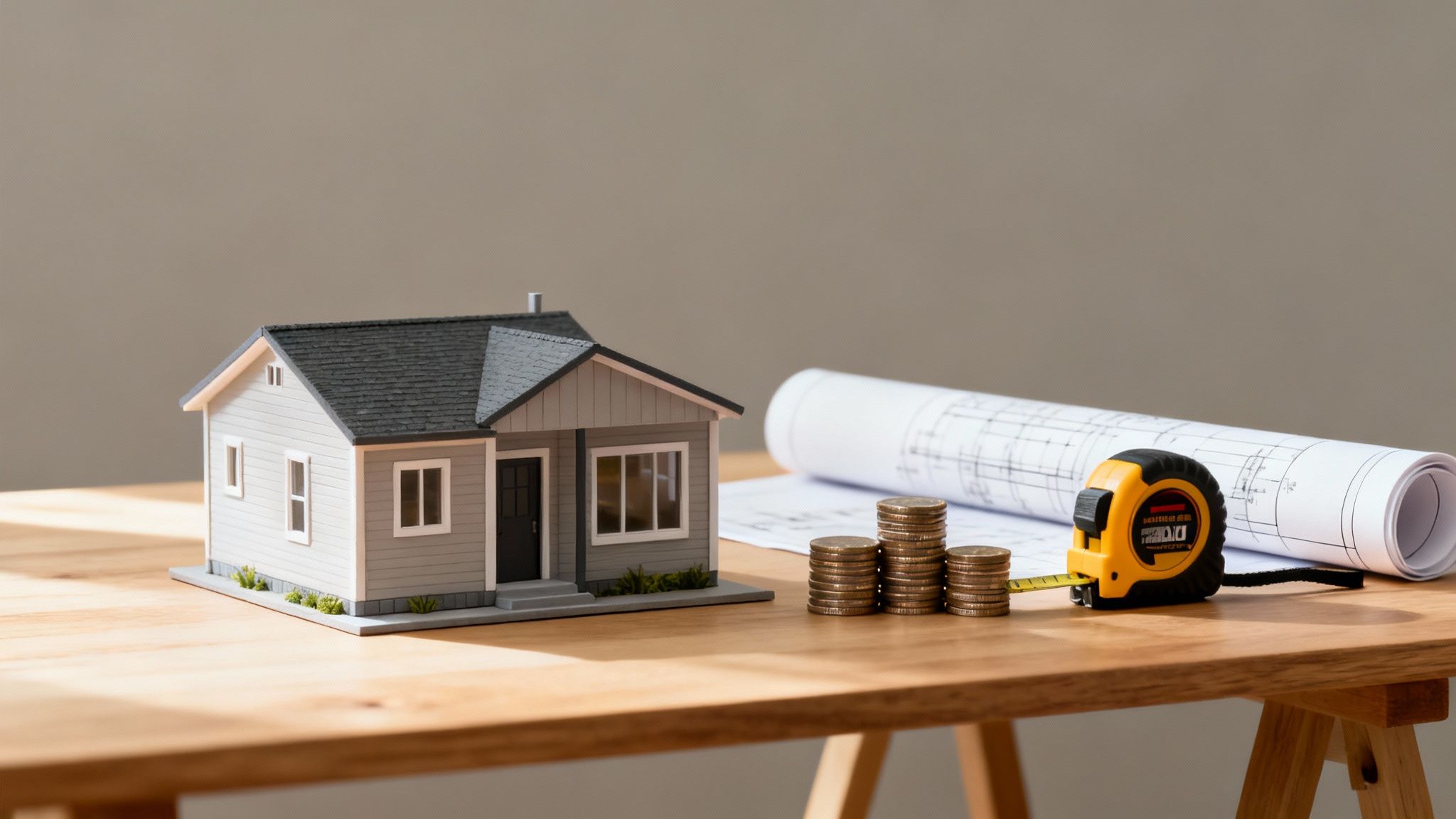
With high interest rates expected to continue in 2026, fewer people are using cash-out refinancing. Instead, there are smarter ways to fund your project. These include Home Equity Lines of Credit (HELOCs), renovation loans, and special ADU grants from California. Knowing your options is key to good financial planning.
Why Your Budget Is Key
A bad budget can ruin your project. You might have to cut corners or stop building altogether. A good financial plan helps you:
- Set a Realistic Scope: Your budget decides the size and quality of your ADU.
- Secure Funding: You need a loan or funds approved before you can start.
- Plan for Surprises: A good budget includes a 15-20% contingency fund for unexpected costs, like a sudden rise in material prices.
It's also important to understand how an ADU might affect your property taxes. A well-planned budget considers all these factors. To learn how to manage your project's finances, see these tips on How to Reduce Construction Costs and Save Your Budget. For a more detailed look at what goes into an ADU budget, you can learn more about the cost to build an ADU here.
3. Design for Real Life, Not Just Square Footage
A great ADU design is about more than just its size. It needs to work for your life. A well-planned ADU can be a home office, a rental unit, or a home for aging parents. This is one of the key things to know before building an ADU in 2026 because good design adds long-term value.
Poor design choices can hurt the ADU's usefulness and resale value. For example, skipping accessibility features like wider doors can make it hard for older family members to live there. An overly complex layout can make a small space feel cramped.
The best ADUs are flexible and future-proof. They are designed to meet your needs today and in the future. Aldridge Construction has experience creating ADUs that are tailored to our clients' lifestyles. We focus on making spaces that are both beautiful and practical.
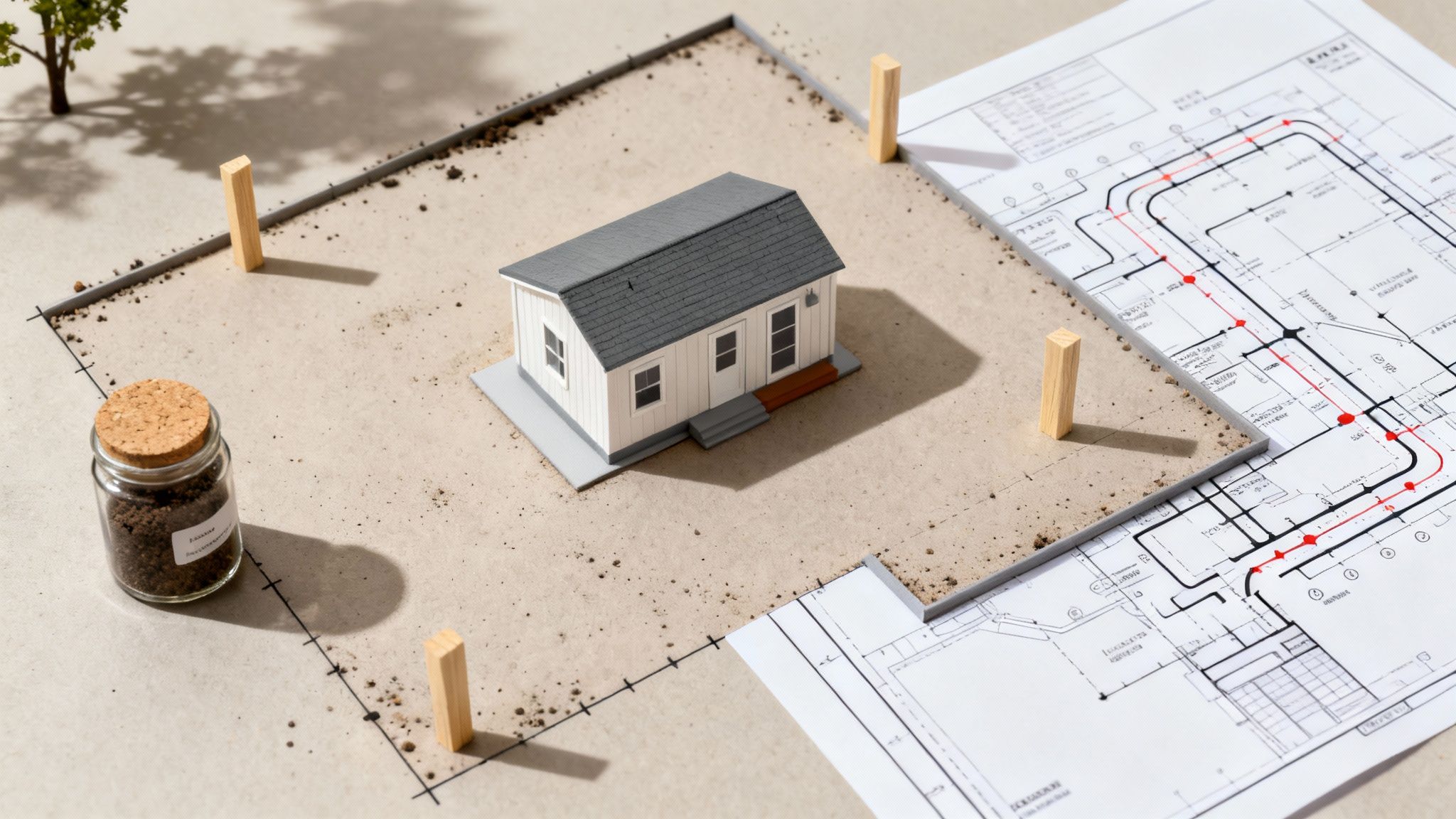
Key Design Questions to Ask
Before you finalize a plan, think about how the space will be used. Here are some questions to guide you:
- Who will use it? An ADU for a renter has different needs than one for an elderly parent.
- How can it be flexible? Can the home office later become a bedroom?
- Is it accessible? Features like no-step entries and grab bars add value for all ages.
- Does it have enough storage? Smart storage solutions are vital in a small space.
Thinking through these questions helps you create an ADU that truly works for you. For more on the steps involved in a building project, you can explore our guide to construction permit requirements.
4. Permits, Plans, and Pre-Approval Matter
Getting a building permit can be a long and confusing process. But in places like Monterey County, there are ways to make it faster and easier. Using the county’s pre-approved ADU plans is a smart move. This is one of the most practical things to know before building an ADU in 2026.
Pre-approved plans have already been reviewed by the local building department. This can cut your approval time from months to weeks. It also reduces confusion and the risk of needing costly redesigns. When you work with a contractor like Aldridge Construction who knows these options, you can avoid delays and build with confidence.
Why Pre-Approved Plans Are a Game Changer
Choosing a pre-approved plan offers several big advantages for homeowners. These benefits make the building process much smoother.
Key benefits include:
- Faster Approval: You skip the long, detailed review process needed for custom plans.
- Lower Design Costs: You save money on architectural and engineering fees.
- More Certainty: You know from the start that your design meets local codes.
Working with an experienced local builder ensures that even with a pre-approved plan, your ADU is built to the highest standards. A team that understands the custom home building process can help you navigate permits and start building sooner.
5. Consider the Long-Term ROI, Not Just the Build
An ADU is a major investment. It can add significant value to your property. It can also provide steady rental income and give your family more flexibility. Thinking about the long-term return on investment (ROI) is one of the most important things to know before building an ADU in 2026.
To get the best ROI, you need to make smart choices. This includes where you place the ADU on your lot and what materials you use. For example, adding energy-efficient upgrades like Milgard windows or a tankless water heater can lower utility bills and attract renters.
An experienced local builder helps you make these strategic decisions. They ensure your ADU is built to last and meets all current codes. This sets you up for financial success for years to come.
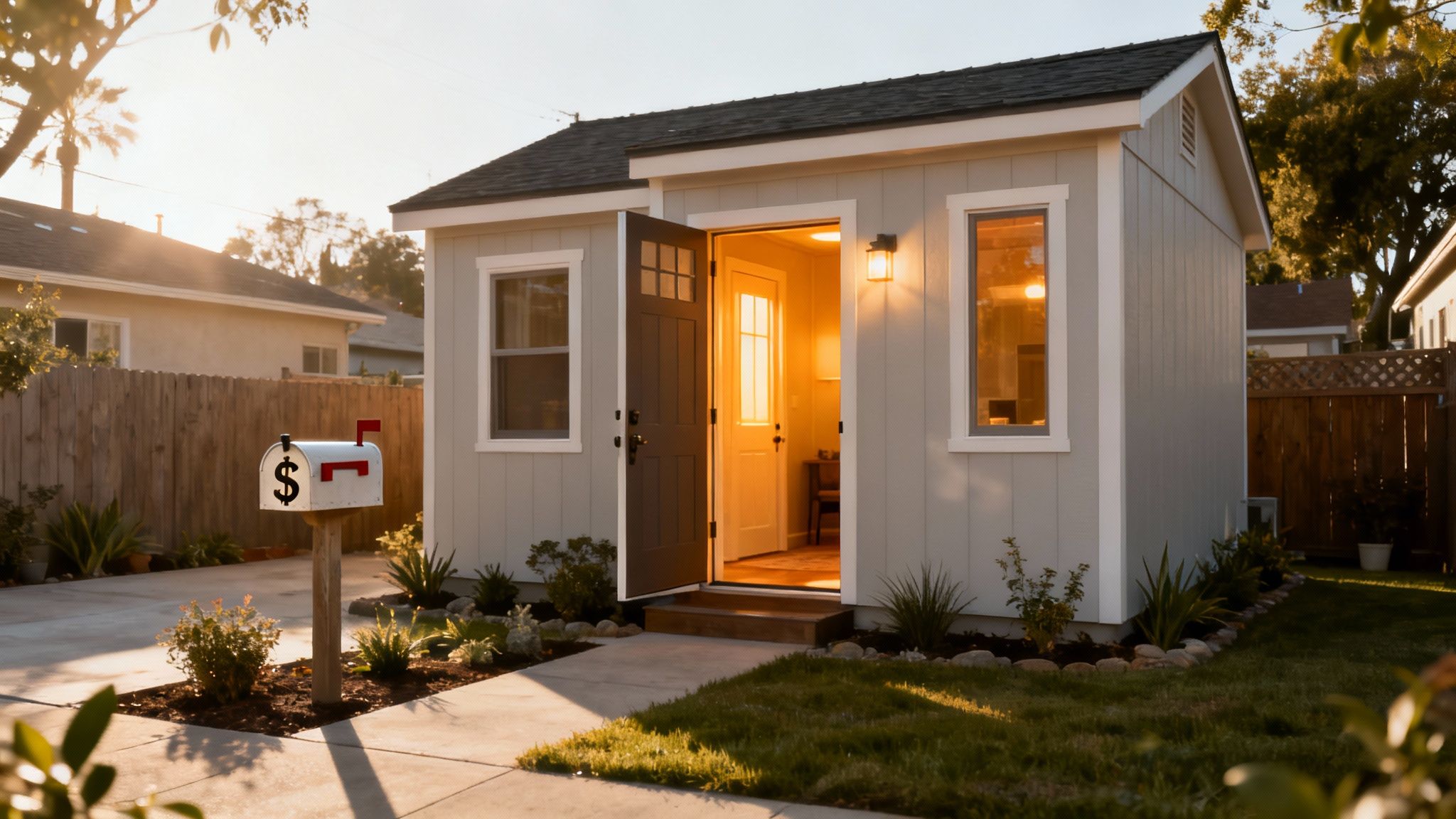
How to Maximize Your ADU's Value
Your ADU's financial success depends on planning. Here are a few ways to boost your return:
- Smart Design: Create a layout that feels spacious and has a private entrance.
- Quality Materials: Use durable materials like Quartz countertops that look good and last long.
- Energy Efficiency: Install features that save energy, which is good for your wallet and the planet.
- Curb Appeal: Add simple landscaping to make the ADU feel like a welcoming home.
Thinking about ROI from the start ensures your ADU is a valuable asset. To learn more about how home projects add value, read about home renovation return on investment here.
Ready to Build in 2026? Let’s Talk Local ADU Strategy
Building an ADU is a smart move for many homeowners in Monterey, Santa Cruz, or San Benito counties. It is a big project, but with the right partner, it can be a smooth and rewarding experience. Aldridge Construction offers expert advice and local experience.
We provide a full-service approach to help you build smarter, not just faster. We guide you through every step, from understanding local rules to making smart design choices that boost your ROI. If you are thinking about adding an ADU to your property, we are here to help.
Reach out to us today for a consultation. We can create a plan that fits your goals and your property.
Contact Aldridge Construction today for a personalized consultation.
Frequently Asked Questions (FAQs)
1. How long does it take to build an ADU in 2026?
The timeline can vary. Using pre-approved plans in Monterey County can get you a permit in 2-3 months. Construction itself usually takes another 4-6 months. Custom designs may add 3-4 months to the permitting phase.
2. How much does an ADU add to my property value?
An ADU can significantly increase your property value. While it varies by market, many homeowners see a 20-30% increase in their property's overall value. The added rental income also contributes to its financial return.
3. Can I build an ADU myself to save money?
While possible, it is very challenging. You must meet all building codes, pass inspections, and manage subcontractors. Working with a licensed contractor like Aldridge Construction ensures the project is done correctly, safely, and legally, which often saves money in the long run by avoiding costly mistakes.
4. What is the difference between a HELOC and a renovation loan for an ADU?
A HELOC (Home Equity Line of Credit) is a revolving line of credit you can draw from as needed, good for projects with uncertain costs. A renovation loan is a specific type of loan that bundles the construction cost with your mortgage, often based on the home's future value after the ADU is built.
5. Do I need a separate address and mailbox for my ADU?
Yes, in most cases. Your local jurisdiction will assign a new address for the ADU (e.g., 123 Main Street, Unit B). This is necessary for mail service, utilities, and for emergency services to find the correct unit.